


In a significant political move, actor-turned-politician Vijay has formally reached out to Prime Minister Narendra Modi, requesting his urgent intervention to prevent any central government approval for the controversial Mekedatu dam project. The Tamilaga Vettri Kazhagam (TVK) president expressed deep apprehension regarding the project's potential impact on the Cauvery Delta, highlighting the severe distress currently faced by farmers in the region during the 2026-27 water year.
The plea follows reports of a purported site inspection by central government officials at the proposed location in Karnataka. For the agrarian communities in Tamil Nadu’s delta districts, such developments are perceived as a precursor to project clearances that could permanently alter water flow dynamics. Vijay stressed that the timing of these inspections has only deepened existing anxieties, particularly given the ongoing challenges in securing the state's due share of water from the upper riparian state.
The Cauvery water dispute has long been a flashpoint between Karnataka and Tamil Nadu, often resulting in prolonged legal battles and intense political posturing. In his communication to the Prime Minister, Vijay argued that the Mekedatu project, if approved without the collective consent of all concerned states, would severely exacerbate the water deficit. He pointed out that Karnataka has consistently failed to provide Tamil Nadu with its rightful share of water, even when calculated on a pro-rata basis, leaving the farming population in a precarious situation.
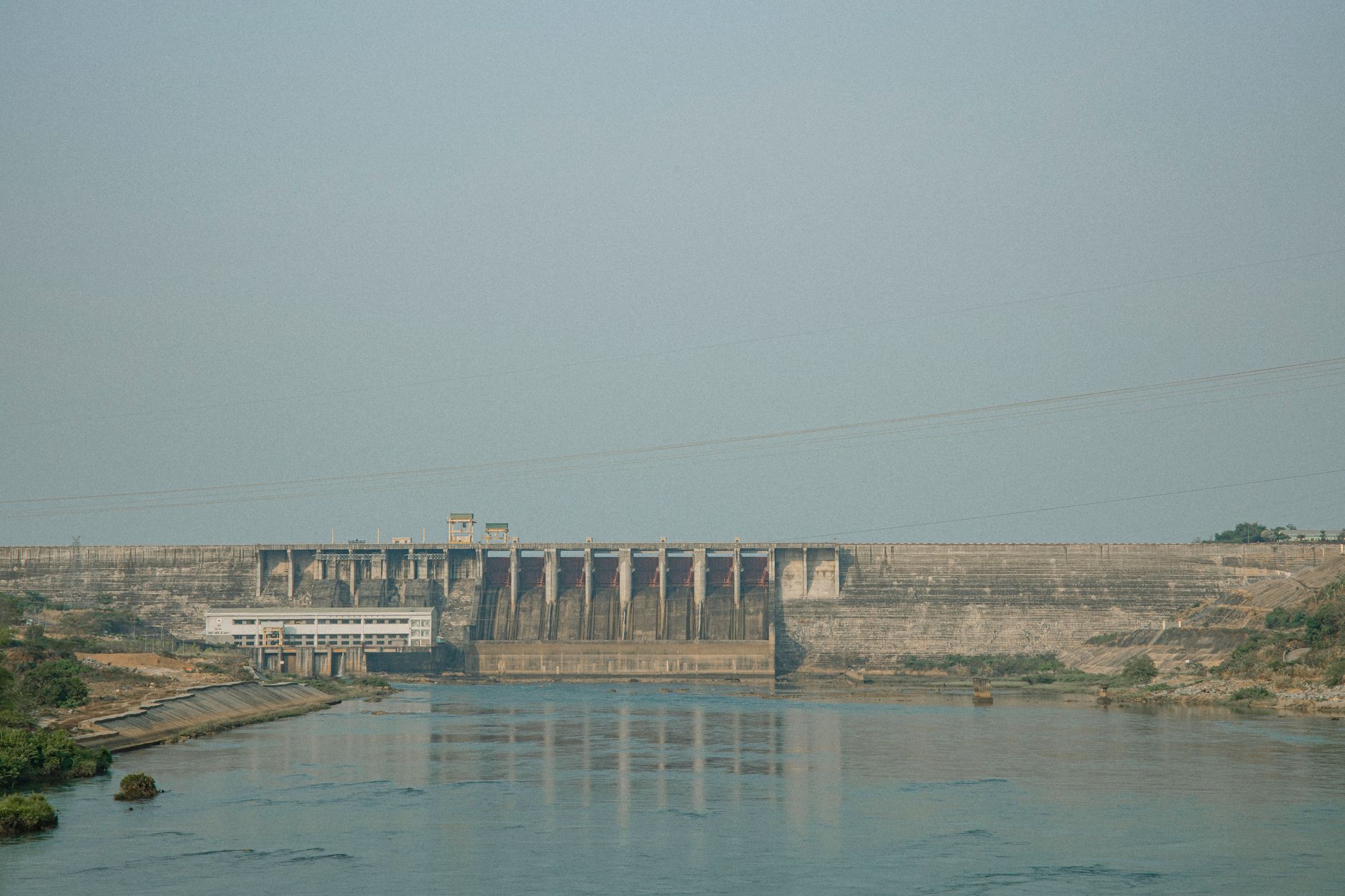
The issue of water sharing in the Cauvery basin is governed by complex tribunal awards and Supreme Court directives. The Mekedatu dam, which Karnataka proposes to build as a balancing reservoir, has been a subject of intense scrutiny. Tamil Nadu has long maintained that the construction of such a structure would significantly reduce the flow of water reaching its borders, effectively granting the upstream state excessive control over the shared river system. Previous administrations and state governments have consistently urged the Centre to respect the inter-state riparian rights.
In the broader context of regional politics, Vijay’s intervention marks a deliberate effort to position his party, the TVK, as a primary advocate for farmers' rights in Tamil Nadu. By elevating the water issue to the Prime Minister’s office, he is aligning his platform with one of the most sensitive and emotive subjects in the state's political landscape. The request explicitly demands that no administrative or environmental clearance be issued for the project until a consensus is reached, prioritizing the livelihood of the delta farmers over unilateral developmental plans.
The impact of a potential dam at the Mekedatu site remains a core concern for the agricultural economy of the Cauvery Delta, a region historically dependent on the river's seasonal discharge. Any disruption in this cycle, according to local farmers' unions and political observers, could have long-term consequences for food security and the rural economy. While Karnataka argues the dam is essential for drinking water requirements in Bengaluru and surrounding areas, Tamil Nadu views it as a direct threat to its agricultural stability.
As the discourse surrounding the Mekedatu project intensifies, the role of the Union government remains critical. The Centre acts as the mediator in disputes regarding water resources, and any shift in its stance on the dam could hold significant political implications for both Karnataka and Tamil Nadu. The formal request from the TVK leadership adds to the mounting pressure on the central administration to navigate this sensitive dispute with caution. Whether this appeal will trigger a pause in the site inspection process or lead to a broader consultative process remains to be seen in the coming months.








Comments