


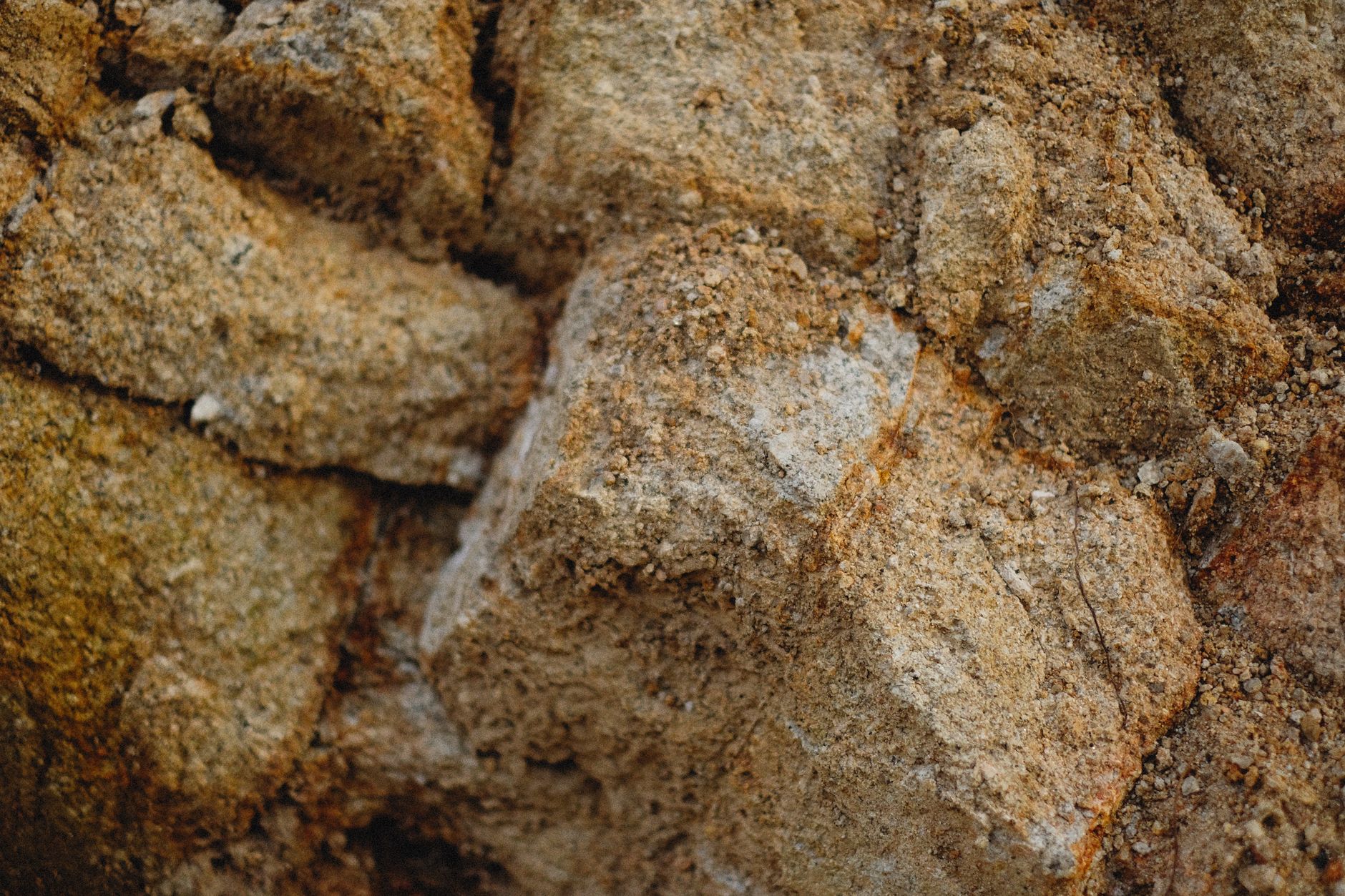
An international team of researchers has announced the identification of a previously unknown rock type and the first recorded discovery of the mineral garnet within a Martian sample. The discovery was made during an analysis of a fragment from the NWA 8171 meteorite, which is part of the Royal Ontario Museum’s collection. The research, led by Tanya Kizovski of Brock University, provides a potential new window into the 4.5-billion-year-old geological history of Mars.
Garnet, widely known as a cornerstone mineral in terrestrial geology, serves as a record of the tectonic forces, fluid-rock interactions, and ore-forming processes that shape the crust and mantle on Earth. By identifying this mineral in a Martian sample, researchers believe they have found a new geological time capsule that preserves evidence of the temperatures, pressures, and ancient environmental conditions that existed on the planet billions of years ago.
The discovery process began when the team analyzed the NWA 8171 fragment to determine its mineral and chemical composition. Initially, researchers assumed the mineral in question was pyroxene, a common material in such samples. However, upon closer inspection using specialized laser equipment and electron microscopy at the University of Portsmouth, the team was surprised to identify the mineral as garnet. Professor James Darling, who was part of the research team at Portsmouth’s School of the Environment and Life Sciences, contributed to the analysis that confirmed the find.
The team has proposed several theories regarding how such a mineral might have formed. On Earth, garnet is often associated with metamorphic rocks, which are created when existing rock is transformed by extreme heat, pressure, or chemical fluids. Kizovski suggested that similar conditions on Mars could have been triggered by significant events, such as magma rising into the Martian crust or the kinetic energy released from a major meteorite impact on the surface.
Despite the significance of the finding, the team remains cautious regarding the absolute origin of the garnet-bearing rock. According to the University of Portsmouth, there is a possibility that the rock did not originate on Mars at all. Instead, it may have been an "extra-Martian" material delivered to the planet’s surface during an impact event, later becoming incorporated into the meteorite sample.
To settle the question of origin, researchers aim to study the isotopic signatures of the garnet. Measuring oxygen isotopes within the rock could reveal whether it formed within the Martian environment or if it originated from an exotic impactor body. However, this process is destructive, and because the sample is considered a rare piece of scientific material, researchers have been hesitant to proceed with the analysis until absolutely necessary.
The study of this unique meteorite fragment is supported by funding from the Natural Sciences and Engineering Research Council (NSERC) of Canada, the Killam Trusts Dorothy Killam fellowship, and the Science and Technology Facilities Council (STFC) at the University of Portsmouth. As the research continues, the team plans to compare their findings with existing data from orbital missions and various Mars rovers to better understand the role of garnet in Martian geological history.








Comments