


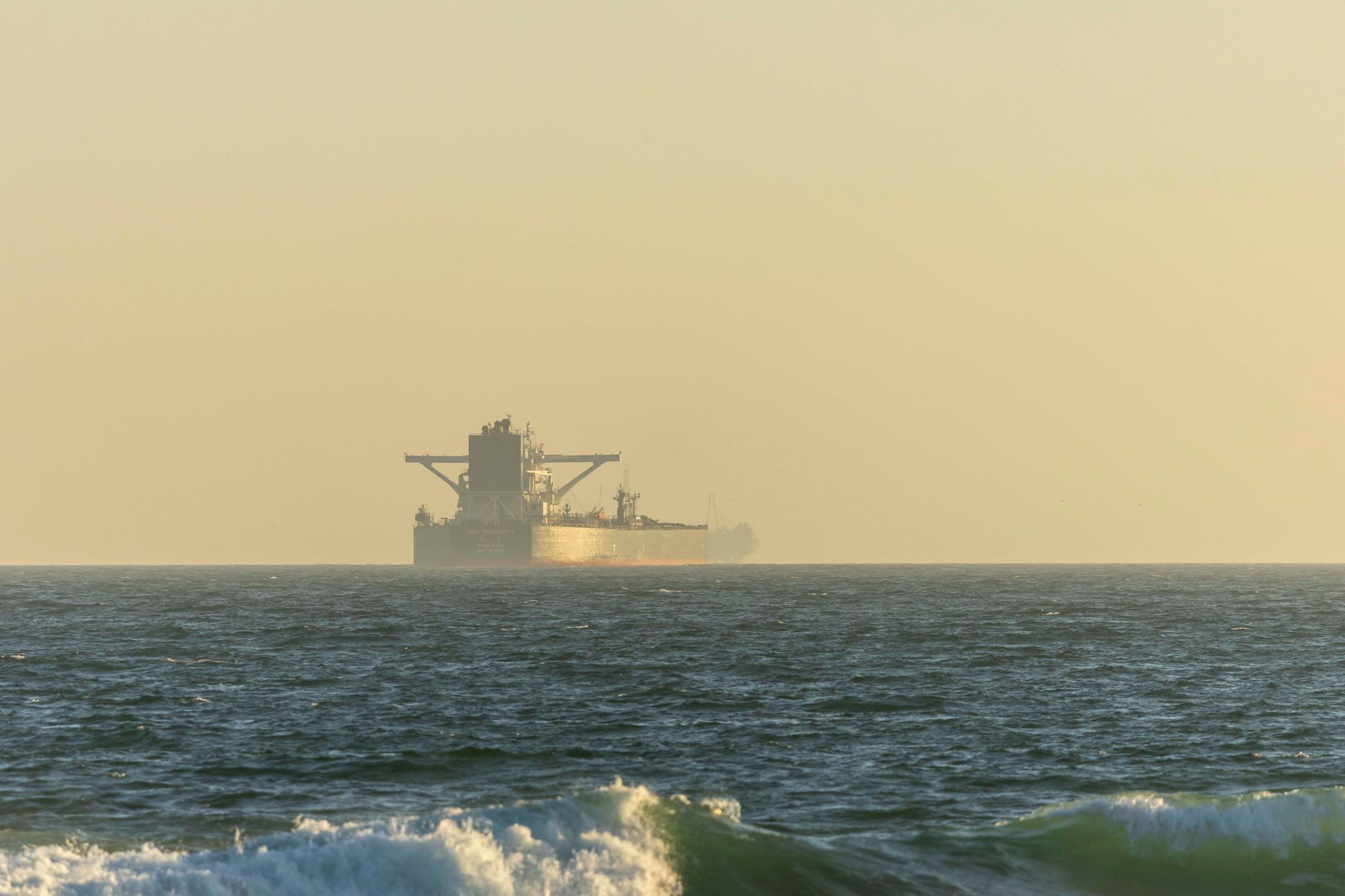
A US military aircraft engaged and disabled a commercial cargo vessel in the Gulf of Oman on Saturday, November 7, 2026, marking a significant escalation in ongoing regional maritime tensions. According to an official statement from the United States Central Command, the action was taken after the St. Kitts-flagged ship attempted to depart regional waters following a visit to an Iranian port.
Central Command officials reported that the vessel was targeted after it failed to comply with directives issued by US forces, who had ordered the crew to abandon specific sections of the ship. Following this refusal, a US aircraft deployed precision munitions, striking the stern of the cargo vessel to ensure it was rendered inoperable. The operation was presented as part of a strategic effort to enforce a long-standing naval blockade currently in place against Iran.
The incident occurs amidst heightening geopolitical friction in the region. Beyond the maritime blockade, the US military announced on the same day that it is establishing a new task force specifically designed to disrupt the movement of advanced weaponry and other sanctioned materials originating from Iran. This task force is expected to focus its surveillance and interdiction efforts along Iran's land borders and across the Caspian Sea, further tightening the constraints on Tehran's logistics.
The US military has characterized its naval blockade as a highly effective tool in its broader policy toward Tehran. Central Command estimates that these maritime enforcement measures have successfully prevented the Iranian government from exporting more than $25 billion worth of crude oil. These economic measures are part of a wider strategy currently employed by Washington to curtail Iran's military and financial capabilities.
The political atmosphere remains fragile, as President Donald Trump has previously signaled the possibility of launching a new offensive against Iranian interests. In response to the increasing pressure, Iranian officials have issued warnings regarding broad retaliation against critical infrastructure across the Gulf. These threats have placed neighboring nations in the region on high alert, as the potential for conflict continues to loom over regional maritime corridors.
The disabled vessel remains a focal point of the current enforcement operations. While Central Command has detailed the mechanics of the engagement, questions regarding the ship's specific cargo and its ultimate destination following its stop at the Iranian port remain part of the ongoing strategic assessment. The incident highlights the risks faced by commercial shipping in the Gulf as the US attempts to close off routes used by Iran to bypass international sanctions.
As of November 8, 2026, both the US military and Iranian authorities have maintained their respective stances, with the former committed to the blockade and the latter signaling defiance. Future developments are expected to hinge on the efficacy of the newly formed task force and the potential for diplomatic or military escalation in the coming weeks. The situation underscores the increasingly volatile nature of transit through the Gulf of Oman and the Strait of Hormuz as international powers continue to challenge Tehran’s access to global markets and regional supply chains.








Comments