


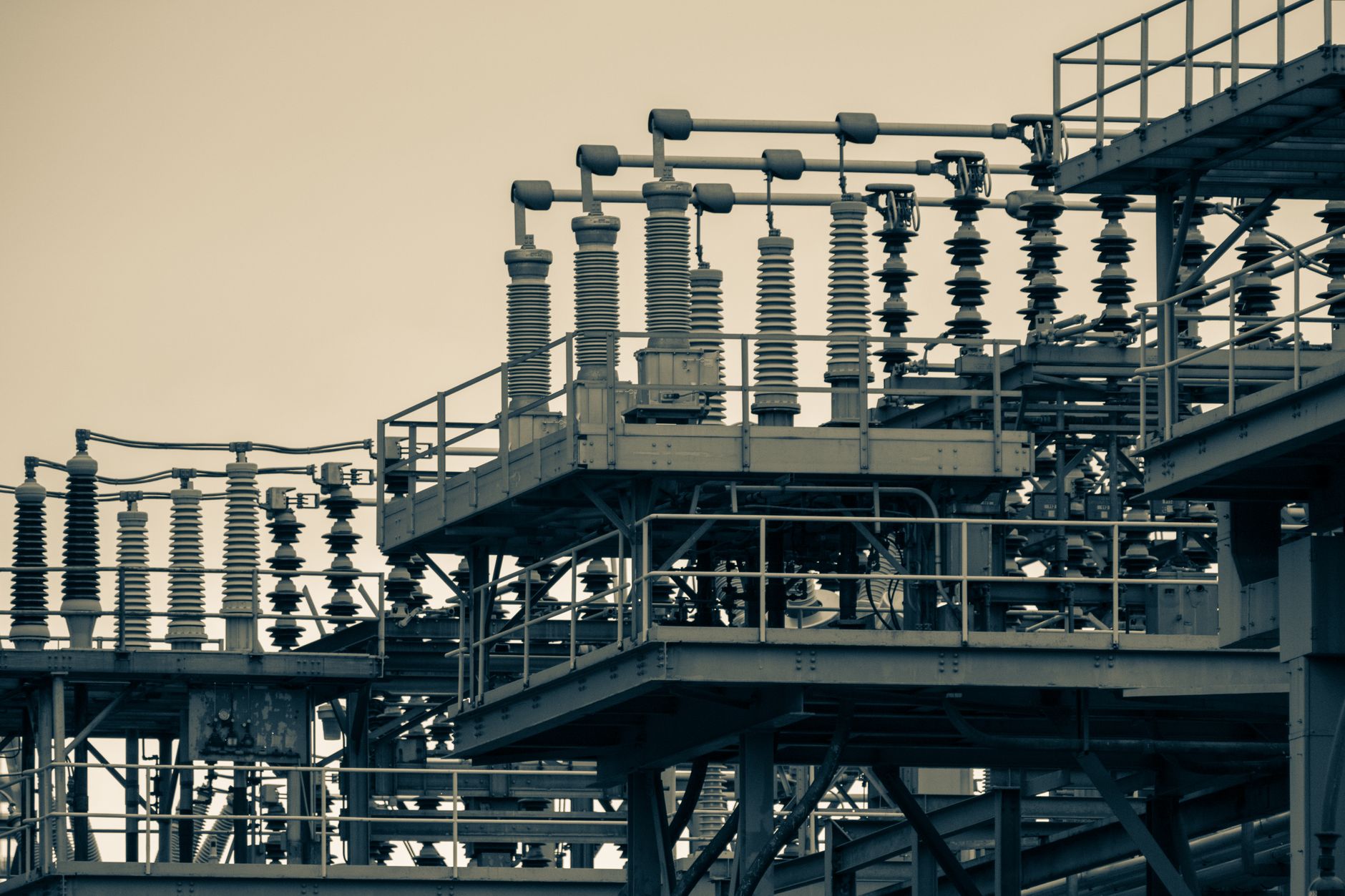
Ukrainian President Volodymyr Zelenskyy has claimed that Russia employed North Korean-manufactured KN-23 ballistic missiles during a recent strike on a vital energy facility. The assertion, shared by the President on social media, follows a broader pattern of intensified Russian aerial attacks that have targeted infrastructure across the country. Zelenskyy stated that preliminary investigations into the damaged site confirmed the use of these specific weapons, which have been supplied by North Korea.
Highlighting the severity of the threat, the Ukrainian leader provided figures detailing the efficacy of current defence efforts. He noted that Russian forces launched 36 missiles at targets using a ballistic trajectory, yet Ukrainian defence forces were only successful in intercepting four of them. This discrepancy, according to Zelenskyy, is directly linked to an acute shortage of air defence systems, particularly US-made Patriot interceptors, which are essential for countering ballistic threats.
The President warned that the lack of adequate defensive capabilities is resulting in preventable loss of life. While the United States previously approved a deal worth approximately $2.1 billion for the delivery of 500 Patriot Advanced Capability-3 (PAC-3) Missile Segment Enhancement interceptors, reports indicate that the fulfillment of these orders could take several years. Kyiv has urged its international allies to expedite support, specifically requesting a winter package that includes 100 Patriot interceptors per month to survive the upcoming season.
Zelenskyy used the findings to call for a more robust global sanctions regime, arguing that such measures must be strengthened against any nation providing assistance in the destruction of civilian lives. He suggested that Russia views diplomacy as an extension of its aggression, and by escalating attacks on energy infrastructure now, Moscow is attempting to exert pressure on both Ukraine and its international partners.
The deployment of North Korean weaponry marks a significant development in the ongoing conflict, highlighting the growing military alignment between Moscow and Pyongyang. This cooperation has deepened considerably since the two nations signed a Comprehensive Strategic Partnership Treaty in June 2024. According to intelligence assessments, including data cited by Chatham House, North Korea has supplied Russia with over 15 million artillery rounds and deployed thousands of personnel to support Russian forces.
North Korean involvement has evolved from supply logistics to active personnel deployment. In April 2025, Pyongyang acknowledged for the first time that its troops were operating alongside Russian forces, specifically mentioning activity in the Kursk region. Furthermore, approximately 1,000 North Korean military engineers have reportedly been dispatched to assist with mine-clearance operations, illustrating the extent of the deepening strategic ties between the two states.
As winter approaches, the situation for Ukraine remains precarious. The combination of intensified ballistic missile barrages and the exhaustion of air defence stockpiles presents a major challenge for the government in Kyiv. While international allies continue to provide funding and military aid, the timeline for the delivery of advanced interceptors remains a point of contention in the efforts to secure Ukraine’s energy grid and protect its population.








Comments