


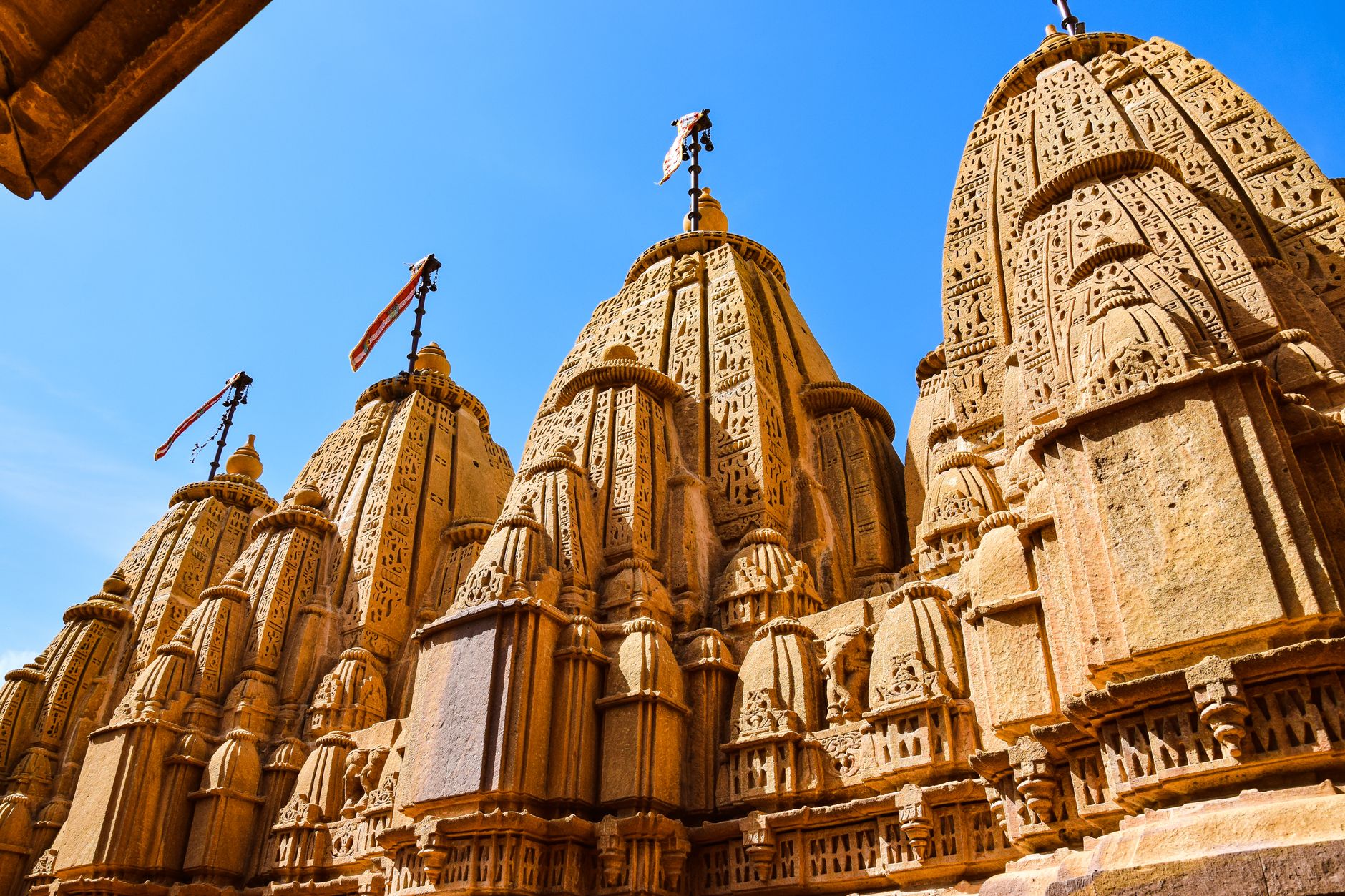
The Supreme Court of India has declined to lift a contentious ban on the preparation, storage, and sale of non-vegetarian food in the vicinity of the Somnath Temple in Gujarat. During a hearing on November 6, a bench consisting of Justices MM Sundresh and PB Varale decided not to interfere with an interim order from the Gujarat High Court, which currently maintains the restrictions in the area. The apex court noted that a balance must be maintained while navigating the issue, ultimately directing the High Court to expedite the pending appeals.
The dispute stems from a notification issued by the Gir Somnath district administration on August 10, 2026. This administrative order prohibited the sale of meat, fish, and eggs in shops, hotels, restaurants, and roadside stalls located within 500 metres of the temple, as well as along designated routes in Prabhas Patan. Following the implementation of this order, a group of six restaurant owners, some of whom claimed to have been operating in the region for up to 40 years, filed a petition challenging the move. They contended that the notification infringed upon their fundamental right to conduct a lawful business.
Initially, the challenge saw a breakthrough on October 30, when a single-judge bench of the Gujarat High Court set aside the government's notification. The court ruled that the restrictions exceeded the authority granted by the Gujarat Police Act of 1951 and negatively impacted the petitioners' rights under Article 19(1)(g) of the Constitution. However, the Gujarat state government subsequently challenged this ruling, leading a division bench of the High Court to stay the single judge’s order, thereby reinstating the ban.
Representing the restaurant owners during the Supreme Court proceedings, senior advocate Huzefa Ahmadi argued that the ongoing ban was causing significant financial strain on local businesses, noting that the impact was particularly pronounced during the festive season. The petitioners also raised questions regarding the necessity of the state regulating individual food consumption choices. Conversely, Solicitor General Tushar Mehta, appearing on behalf of the Gujarat government, defended the restrictions by highlighting the profound religious significance of the Somnath Temple. He maintained that restaurant owners were still permitted to sell non-vegetarian food products outside of the specified restricted zones.
The Supreme Court made it clear that its refusal to grant immediate relief to the restaurant owners should not be interpreted as a final endorsement of the ban's legality. The bench explicitly avoided issuing a definitive ruling on the validity of the administration's notification, leaving that determination to be made by the High Court. By asking for a decision within two months, the apex court seeks to bring finality to a matter that has significant implications for both local livelihoods and public policy regarding religious precincts.
As it stands, the restrictions remain in full force while the legal battle proceeds. The case is currently scheduled for further hearing at the Gujarat High Court on November 25, 2026. Until the High Court delivers a final verdict on the legality of the district administration’s notification, local restaurant owners must comply with the existing regulations, which prohibit the presence of non-vegetarian items in the immediate surroundings of the temple.







Comments