


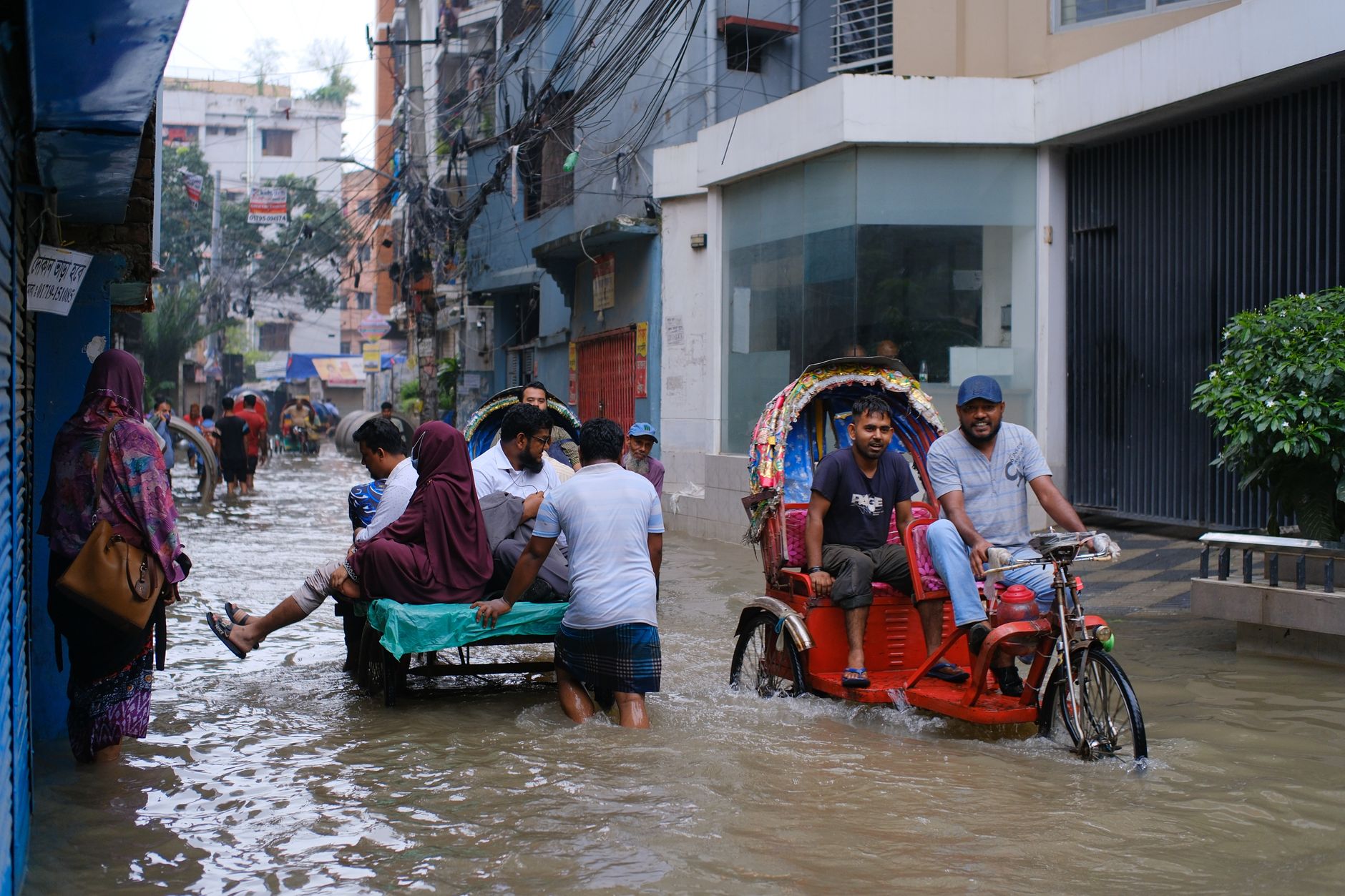
Persistent and heavy rainfall has inundated large swathes of the Gaza Strip, causing widespread flooding that has affected residential neighborhoods, public infrastructure, and makeshift displacement camps. The sudden deluge, which began following a period of intense weather activity, has overwhelmed existing drainage systems, leading to substantial waterlogging across the region. As water levels continue to rise in low-lying areas, the environmental and humanitarian impact on the local population has become increasingly severe, with thousands of families finding their temporary shelters compromised by the rising tide.
For many displaced families living in makeshift camps, the rainfall has proven particularly disastrous. Tents and temporary structures, which were already struggling to provide adequate protection, have been left submerged or severely damaged by the influx of rainwater. The saturation of the ground has turned pathways into mud tracks, making movement difficult and further isolating communities that were already experiencing restricted access to essential services and emergency supplies. Witnesses in the affected areas have reported that the scale of the water accumulation has far exceeded the capacity of local municipal efforts to manage or redirect the flow.
The impact of the flooding is not restricted to housing alone. Vital infrastructure, including roads and sanitation networks, has sustained damage, impeding the delivery of humanitarian aid and the movement of medical vehicles. In several parts of the territory, primary thoroughfares have become impassable, trapping residents in flooded zones and hindering efforts to provide necessary support to those in need. The inability of the local sewage and drainage infrastructure to handle the volume of water has also raised significant health concerns regarding the potential spread of waterborne illnesses, a risk that humanitarian organizations have frequently highlighted during periods of heavy seasonal rain.
Local authorities and non-governmental organizations are currently assessing the extent of the damage as they work to reach the most vulnerable populations. The immediate challenge remains the provision of dry, safe shelter for those whose homes have been rendered uninhabitable by the floodwaters. However, the ongoing instability in the region complicates these efforts, as resources are stretched thin and logistics for transporting essential materials such as tarpaulins, blankets, and non-perishable food items are severely hampered by the waterlogged terrain.
Meteorological reports indicate that the region experienced an exceptionally high volume of rainfall over a short duration, which contributed to the rapid onset of the floods. Such weather events, while not unheard of during the winter season, have historically placed immense strain on Gaza's infrastructure, which has seen limited maintenance and upgrading over recent years. The current situation serves as a stark reminder of the underlying vulnerabilities of the regional infrastructure, which is ill-equipped to withstand extreme weather conditions.
As the weather conditions remain volatile, the focus for the coming days will likely be on emergency mitigation and providing temporary relief to the displaced. Humanitarian groups operating on the ground are calling for immediate assistance to address the escalating crisis. The combination of limited resources and the physical destruction wrought by the floods presents a daunting task for recovery efforts. Residents are now bracing for potentially further rainfall, hoping for a reprieve that would allow municipal crews to clear blockages and restore basic access to affected sectors.
Moving forward, the long-term impact of this flooding will require significant reconstruction of damaged public works and housing. Beyond the immediate relief, there is a clear necessity for structural improvements to the drainage and sewage networks to prevent future recurrence of such widespread devastation. For now, the priority remains the safety and health of the population as they navigate the fallout from the intense storms that have gripped the region.








Comments