


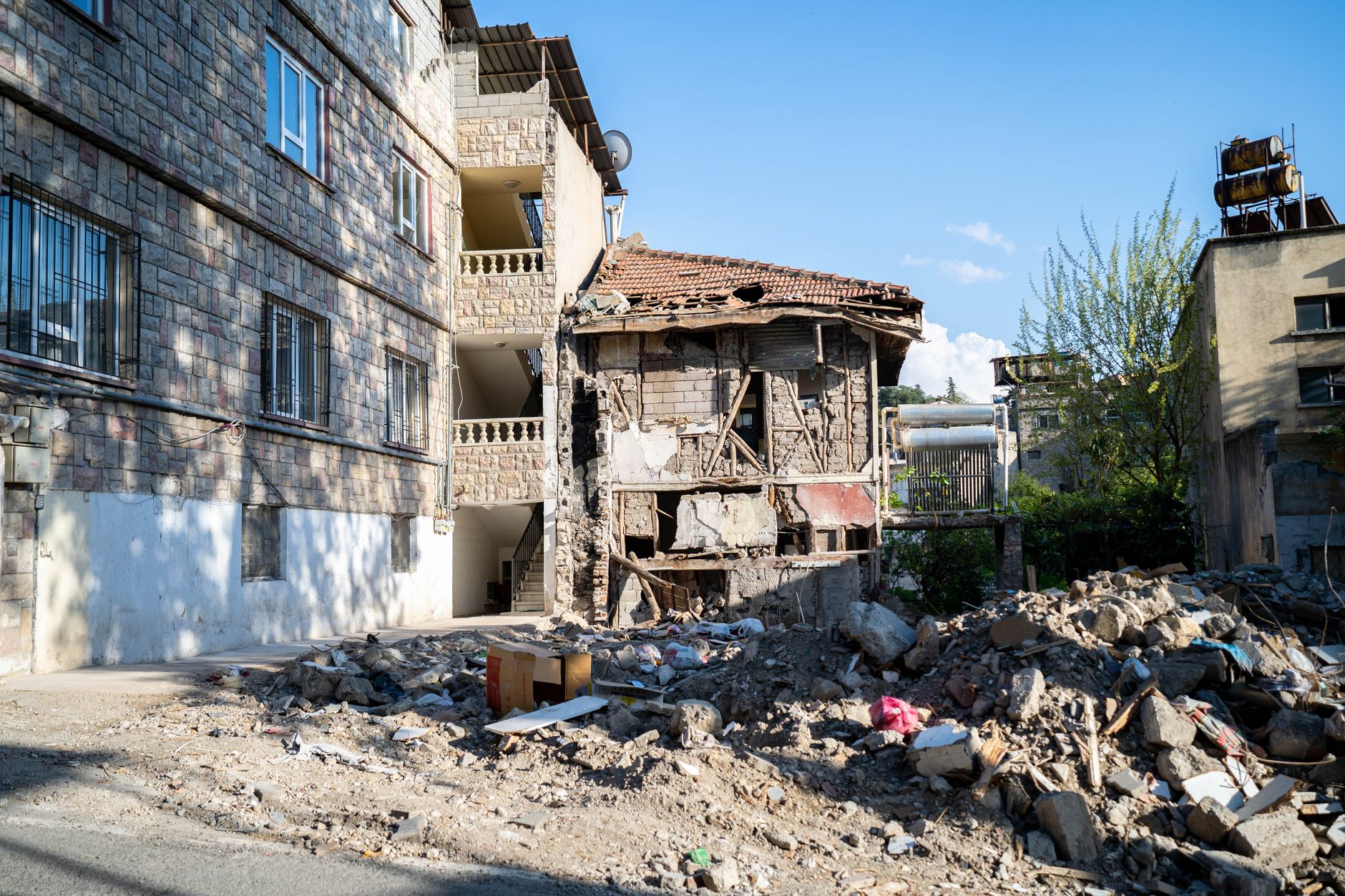
A series of devastating airstrikes struck residential homes in a village near Yemen's capital, Sanaa, on Saturday, resulting in the deaths of at least 22 people. According to a spokesperson for the Houthi-run Health Ministry, the attack also left 30 individuals wounded, with a significant number of the casualties identified as women and children. The incident has drawn urgent attention to the rapidly deteriorating security situation in the nation, where the collapse of a years-long truce earlier this summer has triggered a sharp rise in violence.
Anees Alasbahi, the spokesperson for the health ministry, directly accused Saudi Arabia of executing the strikes on the village of al-Shariya. Furthermore, Alasbahi claimed that subsequent rounds of strikes were aimed at emergency response teams as they attempted to provide aid to the victims in the aftermath of the initial bombardment. However, these assertions regarding the origin of the strikes have not been independently verified, and the Saudi Arabian Information Ministry did not immediately provide a response to inquiries regarding the event.
Visual documentation broadcast by the Houthi-controlled Al-Masirah television network captured the grim aftermath of the strikes. The footage displayed medical personnel transferring the bodies of young children from ambulances into a local hospital facility, with several victims seen sustaining severe injuries. Additional scenes from the village depicted widespread destruction, with residential houses reduced to rubble and thick dust obscuring the landscape, forcing survivors to seek refuge in surrounding agricultural fields.
This latest tragedy occurs against a backdrop of escalating hostilities between the Iranian-backed Houthis, who maintain control over Sanaa and large swathes of the country's north and west, and the Saudi-backed forces positioned in the south and east. Just one day prior to the strikes in al-Shariya, another aerial attack on a market in southern Yemen reportedly killed at least 30 people. In that instance, both Houthi officials and the Saudi-backed military traded blame, each accusing the other of being responsible for the market bombing.
The current state of conflict has been defined by an aggressive intensification of military operations. In September, Houthi forces achieved significant territorial gains, including the seizure of much of Yemen's Red Sea coastline and strategically vital islands located in the Bab el-Mandeb Strait. These forces have also effectively encircled the city of Taiz, which serves as a critical gateway to the southern regions of the country.
Beyond territorial maneuvers within Yemen, the conflict has expanded in scope and geography. The Houthis have increasingly targeted Saudi Arabian interests, focusing their strikes on oil production infrastructure, military installations, and commercial shipping lanes in the Red Sea. These actions underscore the volatile nature of the ongoing civil war as both factions continue to vie for control of strategic assets.
As the humanitarian toll rises, the international community continues to observe the fragile situation with concern. With the breakdown of the previous truce, observers note that the rapid worsening of conditions on the ground leaves civilians caught in the crossfire of the escalating civil war. Future developments remain uncertain as both sides continue to engage in active combat across various fronts in the region.








Comments