


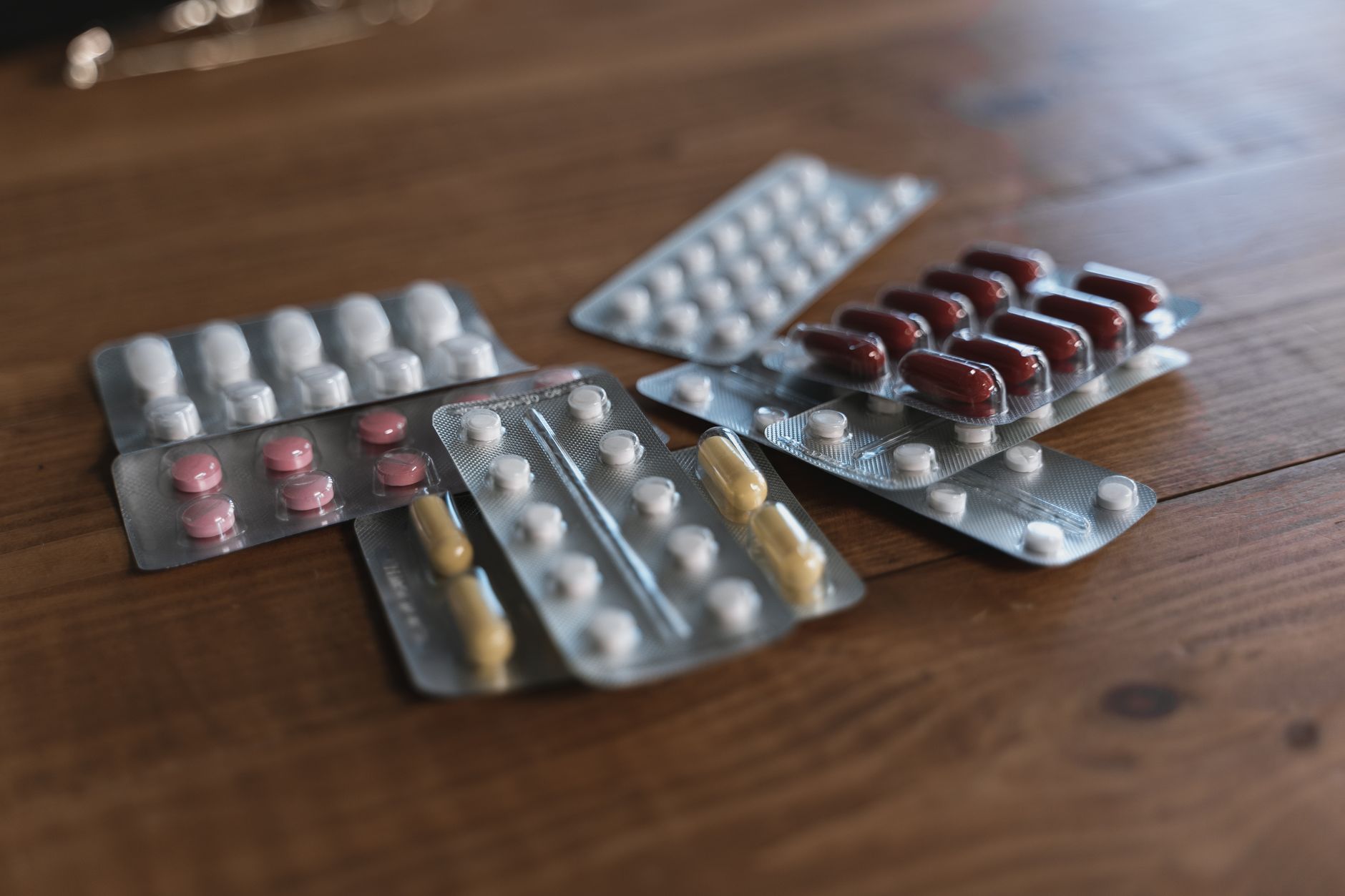
Authorities in Iran have initiated the distribution of iodine tablets to residents in the southern city of Bushehr. This move serves as part of an emergency preparedness strategy implemented in the wake of intensifying regional hostilities. Bushehr is of particular strategic significance as it hosts the country’s only operational nuclear power plant, a site that has been a focal point of heightened security concerns following military activities in the region.
According to the Young Journalists Club (YJC) news agency, the distribution process was managed by crisis management authorities. The deputy head of the Bushehr University of Medical Sciences for health affairs stated that the rollout initially targeted neighborhoods located in the immediate vicinity of the nuclear facility before expanding to encompass the entire city. In total, 180,000 tablets have been provided to the local population as a precautionary measure.
The administration of potassium iodide (KI) tablets is intended to act as a form of iodine thyroid blocking (ITB). According to the World Health Organisation (WHO), radioactive iodine may be released into the environment during a nuclear accident, potentially contaminating food, water, and soil. When inhaled or ingested, radioactive iodine can be absorbed by the thyroid gland, increasing the risk of cancer. By saturating the thyroid with stable, non-radioactive iodine, these tablets prevent the gland from absorbing harmful radioactive isotopes.
The WHO clarifies that potassium iodide is not a general antidote for radiation. Its utility is strictly limited to protecting the thyroid gland against the internal absorption of radioactive iodine during a specific radiological emergency. Official guidelines indicate that the tablets are most effective when taken within a window starting 24 hours before potential exposure and ending four hours after. Dosage requirements vary significantly by age, with specific protocols for infants, children, and adults.
The distribution in Bushehr occurs against a backdrop of ongoing geopolitical tensions. Following military offensives launched by the United States and Israel against Iran starting on February 28, local authorities have faced increased pressure to bolster safety measures. Reports indicate that recent military action occurred in close proximity to the Bushehr nuclear site, though the facility itself reportedly remained undamaged.
US leadership has maintained a hardline stance regarding Iran's nuclear capabilities. On November 1, US President Donald Trump signaled the potential for further strikes against suspected nuclear sites, specifically referencing underground facilities. While officials had previously ruled out the use of nuclear weapons, the prospect of continued conventional military strikes has kept authorities in regions housing nuclear infrastructure in a state of high alert.
Health officials have provided clear instructions regarding the use of these tablets, particularly for vulnerable groups. Pregnant and breastfeeding women are advised to follow public health protocols, as the thyroid function of both the mother and the infant is a critical consideration. Similarly, newborn babies require strict monitoring after receiving a single dose. These measures reflect the broader focus on child safety, given that younger age groups are statistically at a higher risk of developing thyroid-related health complications following radiation exposure.
As the situation remains volatile, the distribution of these tablets highlights the precarious nature of managing nuclear infrastructure in an active conflict zone. While the immediate goal is to mitigate the health impact of a potential radiological incident, the move underscores the ongoing anxieties of residents in Bushehr as they navigate the uncertainties of the current military environment.







Comments