


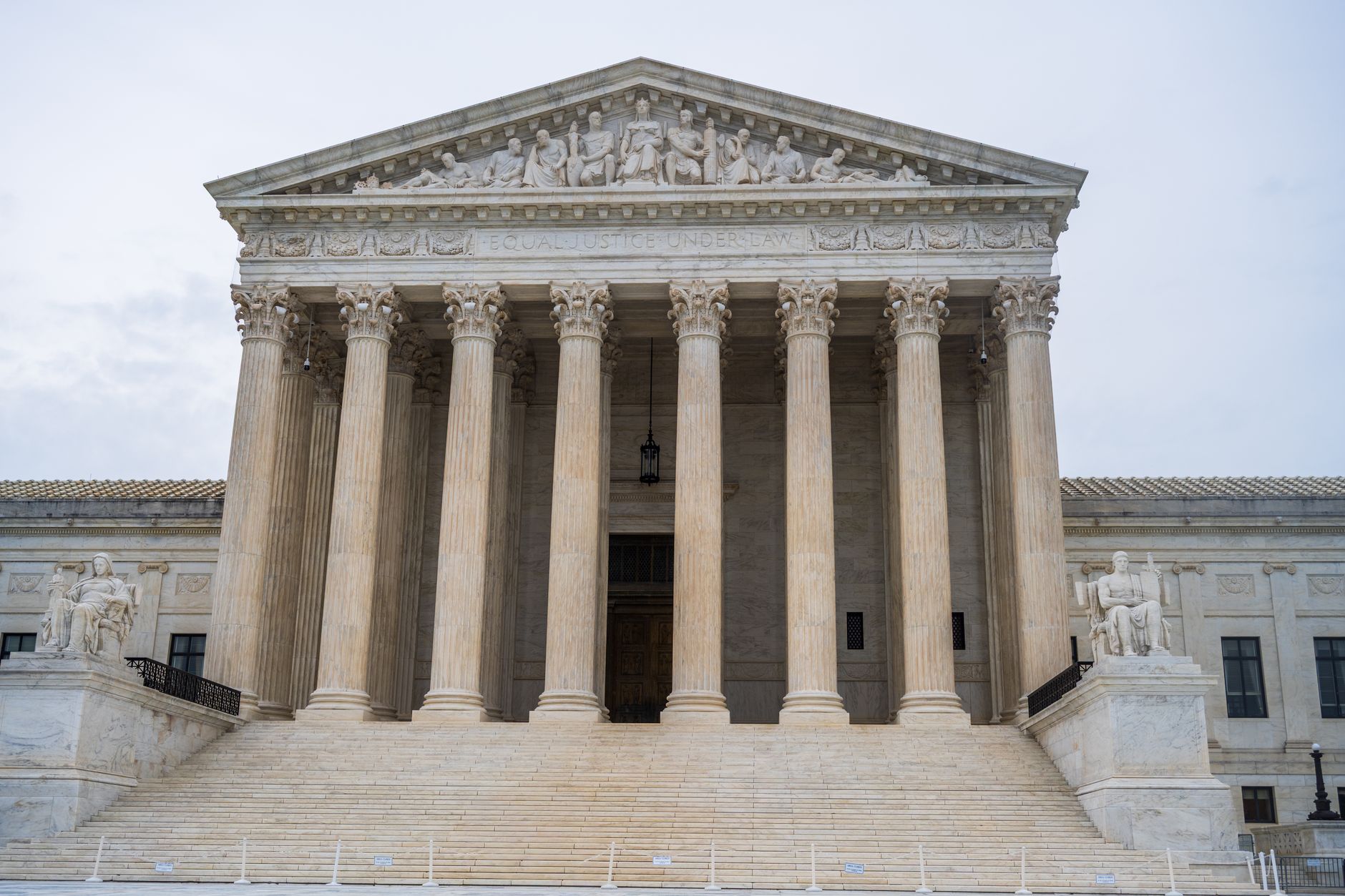
The Supreme Court of India issued a crucial clarification on Friday, stating that its landmark March 2026 verdict—which quashed the Centre’s 2004 policy regarding the determination of "creamy layer" status for Other Backward Classes (OBCs)—will apply strictly to those who formally challenged the decision in court. The bench explicitly noted that individuals who were already appointed to posts and allotted cadres prior to this judgment would not be subject to any disruption.
The clarification was prompted by widespread uncertainty regarding the potential impact of the March order on previous recruitment cycles. Many observers had raised concerns that the ruling, which found the government’s 2004 policy to be inconsistent with established reservation frameworks, might lead to a retrospective overhaul of civil service appointments made over the last several decades. By limiting the scope of the order, the court has effectively barred the use of its decision as grounds for challenging concluded recruitment processes or disturbing the seniority of existing employees.
In its March 2026 ruling, the Supreme Court had determined that relying solely on parental income to define the creamy layer for children of Public Sector Undertaking (PSU) and private sector employees was legally flawed. The court argued that this approach created an unfair disparity compared to children of government employees, whose occupational status is also factored into the criteria. The court emphasized that income should not be the sole determinant; rather, parental job status and the "income/wealth test" must be considered together, in line with a 1993 Office Memorandum.
The central government had sought this clarification to prevent any legal uncertainty that might arise from interpreting the judgment as a retrospective mandate. In its latest response, the bench stated, "The judgement determines the rights of the parties before this court." It further affirmed that while the specific respondents involved in the legal challenge are entitled to the benefits of reservation and consequential post allotment, this does not grant a blanket right for others to reopen past selections.
Regarding cases currently pending before various tribunals or lower courts, the Supreme Court clarified that it is not expressing an opinion on the merits of those individual claims. Instead, it noted that the judicial interpretation of the 1993 Office Memorandum and the 2004 letter—as established in the March verdict—may be utilized by the relevant authorities when adjudicating those specific matters in accordance with the law.
Legal representatives for the original petitioners, advocates Shashank Ratnoo and Varun Thakur, indicated that the government is expected to create supernumerary posts to accommodate their clients who meet the necessary eligibility criteria as defined by the court's interpretation. This approach aims to address the specific grievances of the petitioners without causing administrative instability for existing recruits.
The 1993 policy originally intended for a uniform application of criteria across various sectors, including banks, universities, and insurance organizations. However, the 2004 clarificatory letter shifted the focus primarily to income. The Supreme Court's conclusion maintains that overemphasizing the 2004 letter undermined the original structural framework of exclusion, yet the court has opted to balance this correction with the need for institutional finality by preventing the reopening of finalized appointments.








Comments