


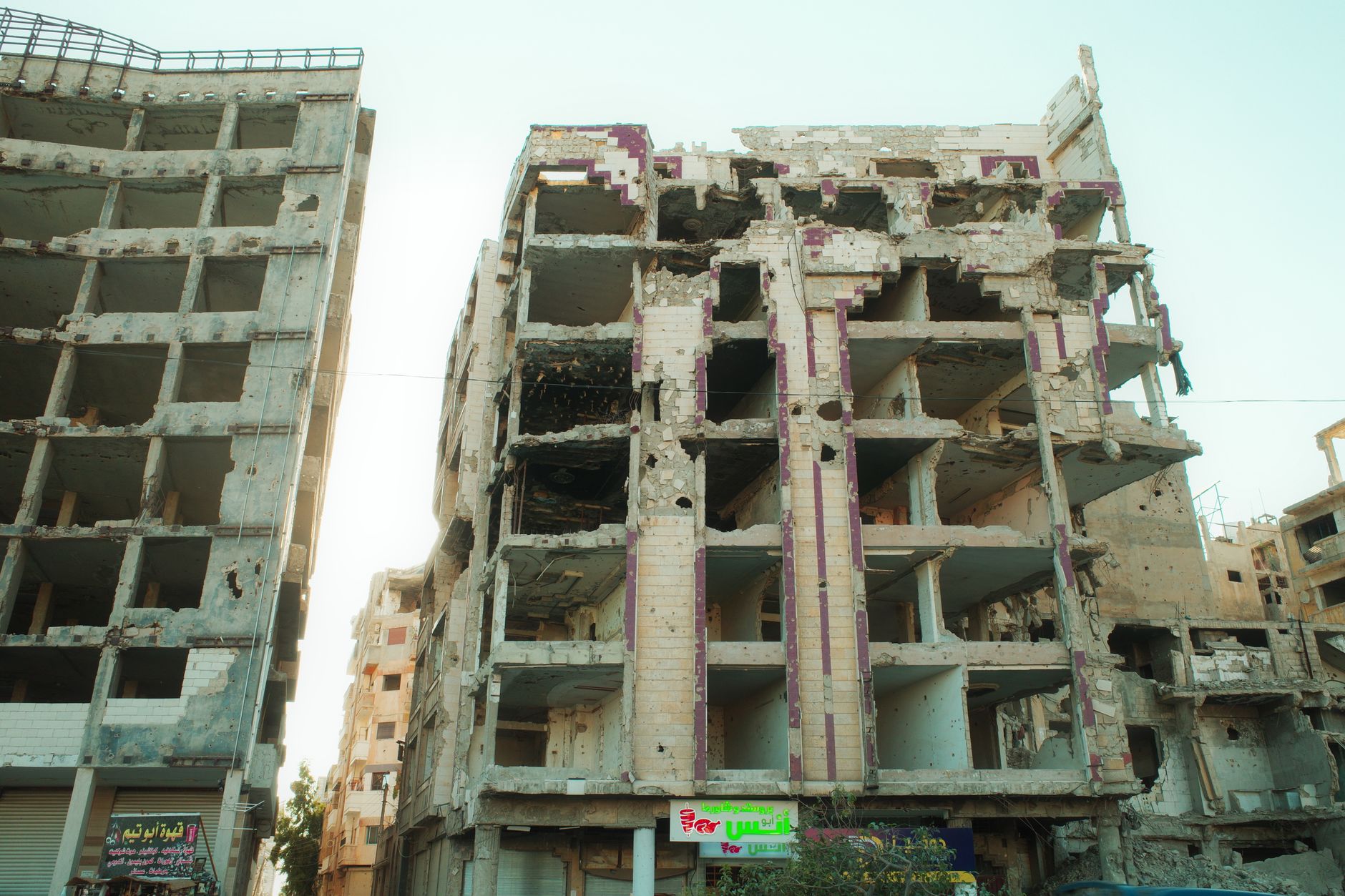
A series of airstrikes reportedly hit a bustling market in Yemen’s Taiz province, resulting in the deaths of 30 people, according to claims made by Houthi authorities. The incident occurred in an area under the control of the Houthi movement, which has been engaged in a protracted and violent struggle for dominance against forces backed by the Saudi-led coalition. The reported casualty count highlights the ongoing peril faced by non-combatants in the war-torn nation, where market spaces and civilian infrastructure frequently become flashpoints in the broader regional conflict.
Taiz province, a region of significant strategic importance, has been the site of particularly fierce fighting in recent months. Tensions in the area escalated sharply after the Iran-backed Houthi group launched a major offensive in September, seeking to consolidate its territorial gains. As the frontline shifts, local residents continue to grapple with the daily threat of aerial bombardments and ground-level skirmishes. The market, described as a central point for local commerce, was struck by “several strikes,” according to official Houthi statements released in the aftermath of the event.
The Saudi-led coalition, which intervened in the Yemeni conflict years ago to support the internationally recognized government, frequently conducts air operations across the country. While coalition officials often maintain that their military actions are aimed at destroying Houthi operational capabilities and supply lines, the human cost of these interventions remains a persistent point of contention. International humanitarian groups have repeatedly called for de-escalation, noting that the civilian toll in Yemen is among the highest of any contemporary conflict.
This latest incident underscores the difficulties in achieving a lasting ceasefire in Yemen. Despite various diplomatic efforts to bring the warring parties to the negotiating table, localized violence continues to derail peace prospects. For the residents of Taiz, the market strike is a stark reminder of the volatile security landscape they inhabit. The destruction of public spaces not only results in the tragic loss of life but also severely cripples the local economy, which is already suffering under the weight of a multi-year blockade and systemic instability.
Observers suggest that the timing of the strike is linked to the broader Houthi campaign that began in September. The movement has shown a renewed intent to push beyond its current strongholds, prompting a forceful response from coalition-backed forces. As military analysts monitor the situation, the fear remains that such strikes will further polarize the conflict and harden the resolve of all factions involved. The lack of independent verification on the ground makes the task of assessing the full scale of the humanitarian disaster increasingly complex.
Moving forward, the focus remains on the immediate aftermath of the tragedy. Local authorities are tasked with the grim process of recovery and assessing the damage to the market’s infrastructure. Internationally, the reports are likely to reignite debates over the efficacy and legality of the current military strategies employed in Yemen. Without a comprehensive diplomatic breakthrough, the cycle of violence is expected to persist, leaving civilians in contested provinces like Taiz to bear the heaviest burden of a war that shows few signs of resolution.








Comments