


In an urgent hearing held on Sunday, the Supreme Court issued a series of directives regarding the recent handling of protests in the national capital. A special bench comprising Justices Joymalya Bagchi and V. Mohana ruled that peaceful, unarmed protesters must not be detained unless the action is taken strictly in accordance with the procedure established by law. This order comes following reports that approximately 7,000 individuals were detained on Saturday, as 41,000 security personnel were deployed across Delhi to manage a planned protest against Chief Election Commissioner Gyanesh Kumar.
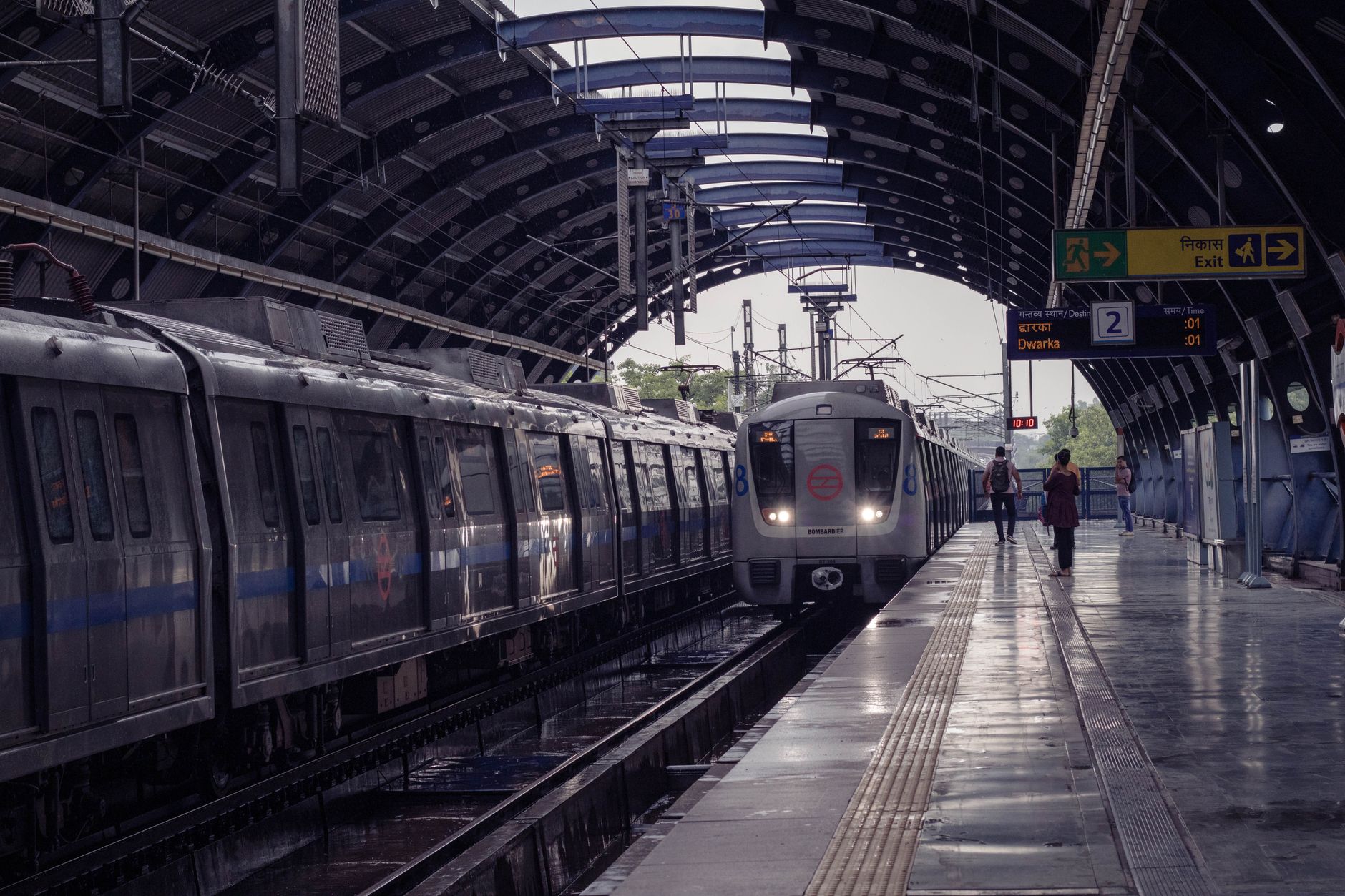
The court further mandated that metro and railway operations should resume normal service, internet connectivity must remain undisturbed, and the free movement of citizens should be restored. Additionally, the bench directed authorities to remove prohibitory notices surrounding the Supreme Court and other court complexes to guarantee unhindered access to justice. These orders were issued in response to petitions alleging widespread detentions, excessive movement restrictions, and the suspension of internet services, which petitioners claimed violated a previous court order from October 9 regarding transport curbs.
During the proceedings, Solicitor General Tushar Mehta contested the allegations, asserting that metro services had largely remained operational, although entry and exit points were restricted at 45 of the network's 303 stations. Addressing these claims, the bench ordered the Delhi Metro Rail Corporation, railway authorities, and Delhi Police to file affidavits and compliance reports by Tuesday.
The court has issued notices to the involved authorities regarding potential contempt of the October 9 order. The bench clarified that while public order must be maintained, any restrictions imposed under Article 19(2) of the Constitution must adhere to legal frameworks. The matter is scheduled for further hearing on October 13, at which point the court will review the details provided regarding the specific stations affected by the recent disruptions.







Comments