


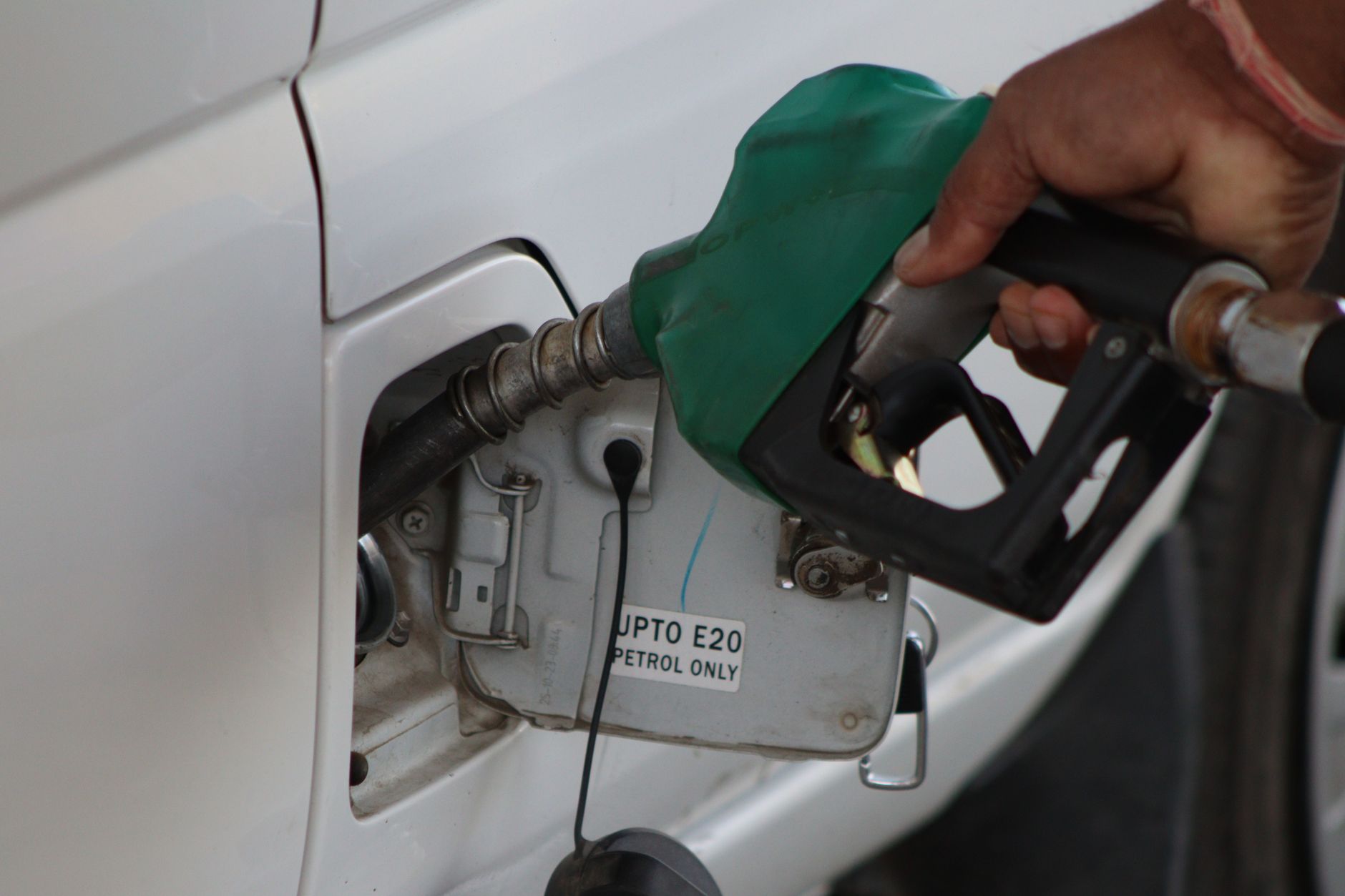
The government of Karnataka has formally accused major oil marketing companies (OMCs) of supplying petrol that contains ethanol concentrations significantly higher than the mandated 20% limit. According to state authorities, recent laboratory analysis conducted on fuel samples from various districts revealed ethanol levels reaching as high as 31.2%, raising concerns about vehicle safety and consumer rights.
Rizwan Arshad, the state minister for food, civil supplies, consumer affairs and legal metrology, announced that samples were collected from several locations, including Bengaluru, Kolar, Chikkaballapura, Bengaluru Rural, Ramanagara, Mangaluru, and Tumakuru. These samples were subsequently tested at the Shriram Research Institute, a facility accredited by the National Accreditation Board for Testing and Calibration Laboratories and ISO-certified.
The test findings indicated notable variances across different providers. Samples from Indian Oil Corporation Limited (IOCL) were found to contain 31.2% ethanol, while those from Hindustan Petroleum Corporation Limited (HPCL) recorded levels up to 30.5%. Other fuel samples also showed levels exceeding the permissible threshold, with BPCL reporting 27%, Nayara at 26.1%, and Shell at 25.5%. While some additional samples remained within the legal range, the state government maintains that the presence of excessive ethanol is widespread enough to warrant urgent intervention.
A point of contention highlighted by the state administration is the alleged lack of transparency from the oil companies. The government claimed that reports generated by the in-house laboratories of IOCL and BPCL failed to disclose ethanol content, despite it being a required testing parameter. Officials suggested that this omission reflects a lack of accountability and leaves the consumer uninformed about the composition of the fuel being purchased at the pump.
The potential implications of these high-ethanol blends are significant for vehicle maintenance. The Karnataka government noted that the vast majority of India’s estimated 35 crore vehicles are not engineered to operate on fuel blends exceeding the E20 standard. Experts and government officials suggest that higher concentrations of ethanol can lead to reduced vehicle mileage and cause long-term damage to critical engine components, including fuel pumps, injectors, filters, hoses, and seals.
In response to these findings, the state has demanded that the central government and regulatory bodies take strict action against the responsible companies. The state’s requests include the implementation of a mandatory system requiring petrol pumps to clearly display the exact ethanol percentage in the fuel being sold. Furthermore, they have proposed the establishment of a nationwide system to offer diverse fuel blends, ensuring that consumers have access to fuel compatible with their specific vehicle requirements.
Beyond regulatory changes, the state government is pushing for the creation of an 'E20 spoilage fund.' This initiative is intended to provide financial compensation to consumers whose vehicles have suffered damage as a direct result of using fuel with excessive ethanol blends. The government’s move marks a significant escalation in the ongoing dialogue regarding fuel quality standards and the transition toward higher ethanol-blended fuels across the country.







Comments