


As the festive season of Dhanteras and Diwali approaches, many households are preparing to participate in the tradition of purchasing precious metals. While gold is frequently associated with auspicious beginnings and long-term security, financial experts are urging investors to look beyond the tradition and critically evaluate their personal portfolio requirements. The focus, according to industry professionals, should be on strategic asset allocation rather than impulsive festive buying.
Fundamental to any investment decision is the assessment of whether a portfolio requires further exposure to gold. Although the precious metal has historically been viewed as a hedge against inflation and market uncertainty, experts caution that it should not be considered a substitute for equities, which remain a core asset class for long-term wealth creation. Data shows that while gold has outperformed equities in recent times, it has also faced a correction of approximately 22% from its peaks recorded in January 2026.
"If investors already have sufficient gold exposure, they should avoid adding more to their portfolio," says Jasmeet Singh, Executive Director at Anand Rathi Wealth Limited. He suggests that those who find their gold allocation higher than the recommended levels might consider rebalancing their holdings towards diversified equity mutual funds. This approach prioritises financial health over the cultural habit of accumulating physical bullion during the festival.
For those still intent on investing, the method of acquisition varies significantly in cost and convenience. Sadiya Khan, Chief Investment Solution officer at Mirae Asset Sharekhan, points out that the starting point should always be the investor's specific objective. For smaller retail investments of Rs 10,000, Rs 50,000, or Rs 1 lakh, she suggests that gold mutual funds and Exchange Traded Funds (ETFs) are often more practical than purchasing physical items. At current market rates of approximately Rs 15,000 per gram, these smaller amounts may not yield a meaningful quantity of physical gold, whereas financial products offer more flexibility.
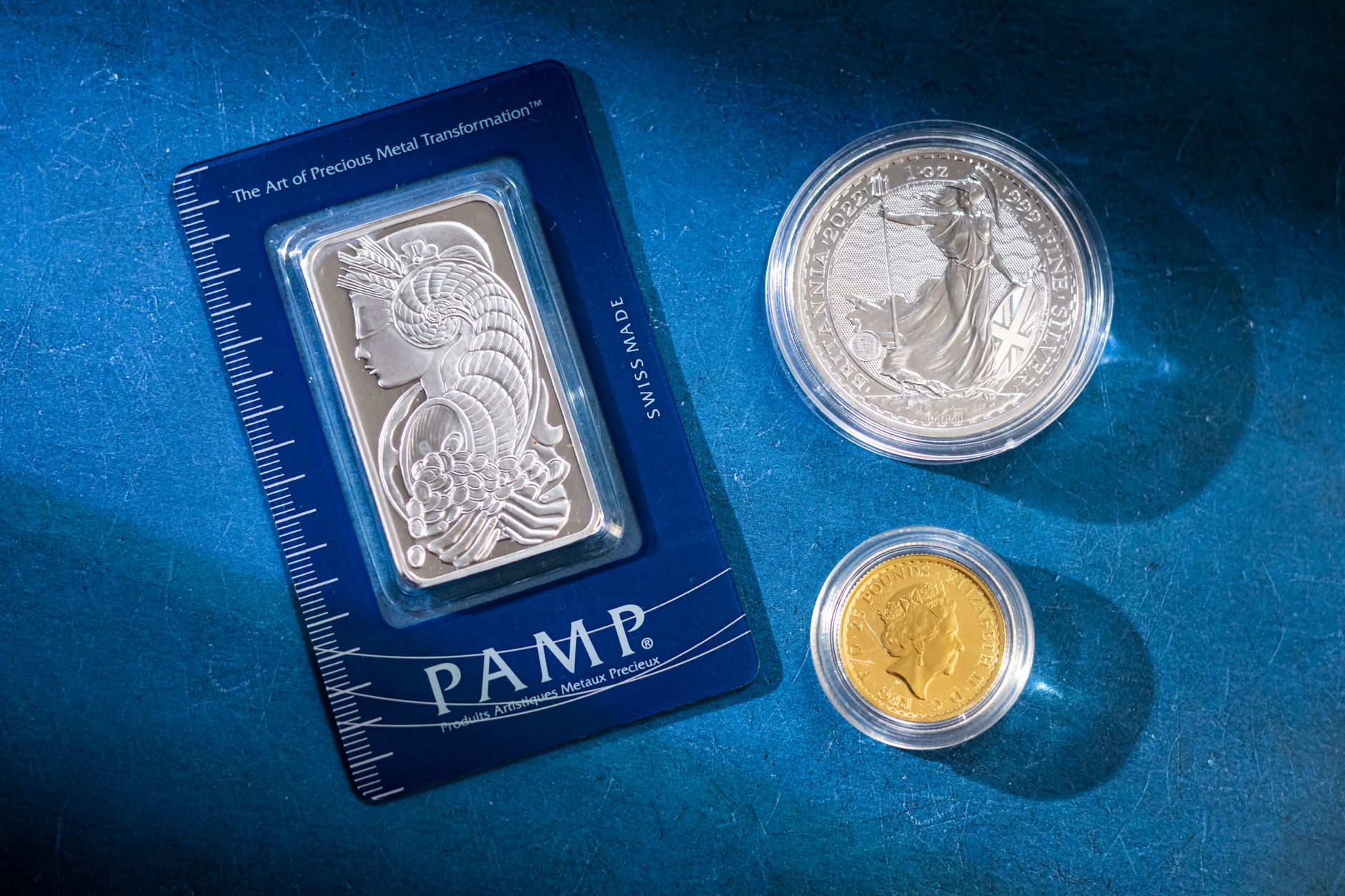
Physical gold purchases often come with hidden or unavoidable costs. Jewellery, for example, frequently attracts making charges ranging from 6% to 25%, in addition to a 3% Goods and Services Tax (GST) applied to the total bill. These upfront costs can significantly dilute the value of the investment. Conversely, gold coins and bars typically carry a lower premium over the prevailing market price and are generally preferred for those seeking physical ownership due to their higher purity and lack of usage wear and tear.
Investors choosing the ETF route are advised to look beyond the basic expense ratio. Trading liquidity, tracking differences, and the price at which the ETF trades relative to its indicative Net Asset Value (NAV) are critical factors that can impact the actual purchase price. Similarly, gold mutual funds provide a route for those without a demat account, though they may involve double expenses. Meanwhile, digital gold platforms offer an alternative, allowing for small, frequent purchases that are stored in a vault, sometimes with the option to eventually redeem the holdings into physical gold.
Ultimately, experts like Samit Guha, Managing Director and CEO of MMTC-PAMP, suggest that the choice depends on whether the investor seeks physical ownership or a financial-product route. While physical assets offer cultural and direct ownership benefits, they require secure storage. Regardless of the avenue chosen, the consensus remains that investors must evaluate the total cost of ownership, regulatory framework, and the ease of exit before committing capital during the festive period.







Comments