


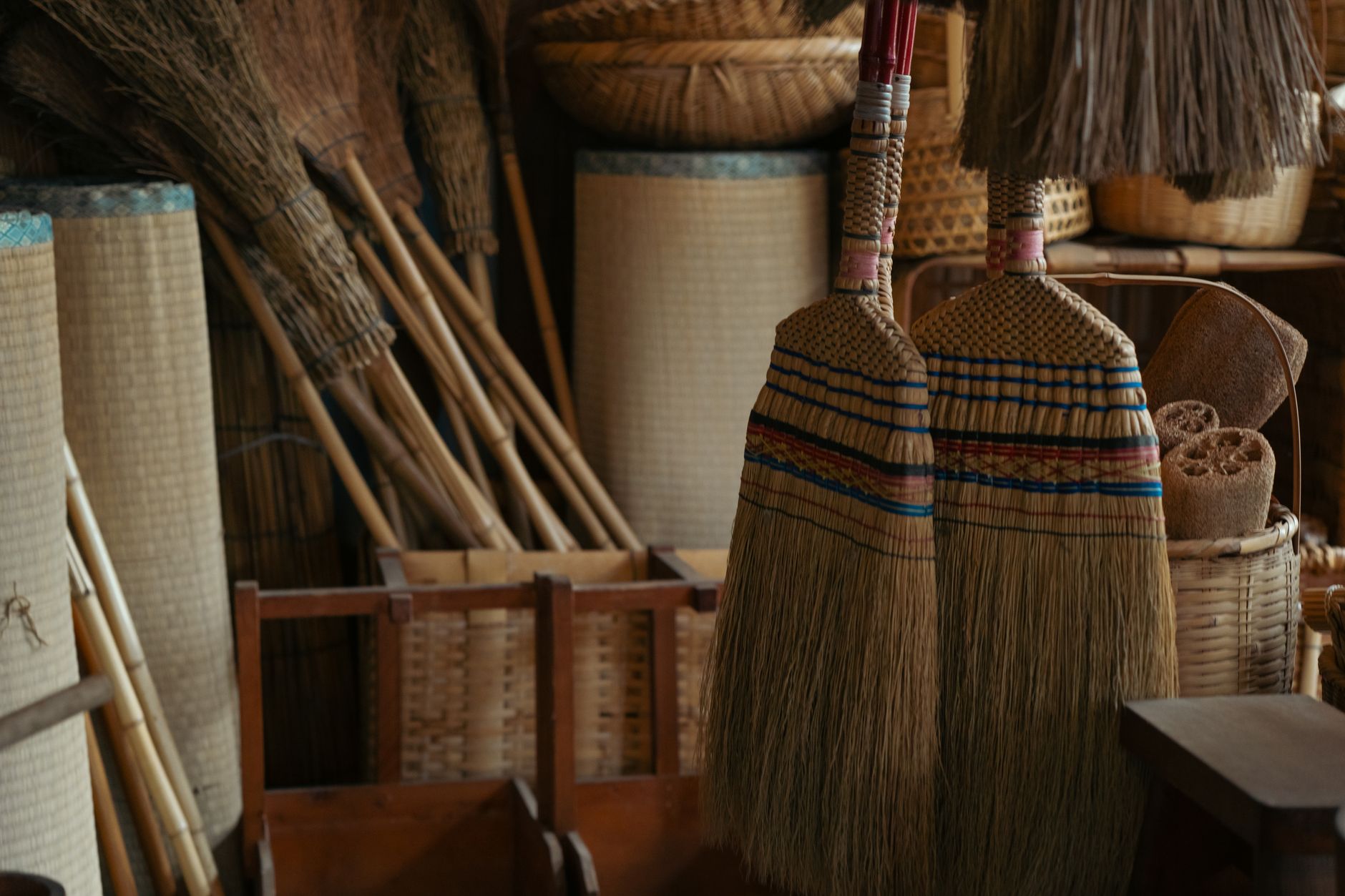
As the festival of Dhanteras arrives, the market is typically flooded with shoppers looking to purchase gold, silver, and other precious valuables. However, alongside the rush for metals, many households across India observe a long-standing, humbler tradition: the purchase of a new broom, or jhaadu. While it may lack the financial value of precious jewellery, the broom holds deep symbolic significance during the festivities that mark the beginning of the five-day Diwali celebrations.
For many, the act of buying a new broom on Dhanteras is rooted in the belief that it helps prepare the home for the arrival of Goddess Lakshmi. Traditional customs emphasize that the deity prefers clean, well-maintained, and well-lit spaces. By removing dust and dirt, the broom is seen as a tool for creating an environment conducive to inviting abundance, good fortune, and wealth into the household.
The cultural connection also extends to the concept of driving away misfortune. In traditional beliefs, Goddess Lakshmi is often contrasted with her elder sister, Alakshmi, who is associated with poverty, discord, and negative energy. It is believed that Alakshmi resides in unclean or neglected spaces. Consequently, the act of using a broom to thoroughly clean the house is viewed as a symbolic method of clearing out the presence of Alakshmi, thereby making room for the blessings and prosperity represented by Goddess Lakshmi.
The significance of the broom also manifests in how it is treated within Indian households. It is common for elders to caution family members against touching a broom with their feet or stepping over it. Such actions are considered inauspicious, often resulting in a gesture of apology where the person touches the broom and then their forehead, similar to the respect shown toward books or religious items. This cultural reverence highlights the item's perceived importance in maintaining the sanctity of the home.
Beyond its symbolic value, the tradition of buying a broom is highly accessible. With prices often ranging between ₹50 and ₹100, the practice allows people from all economic backgrounds to participate in the spiritual preparations for Dhanteras. Whether one is a daily-wage worker or a business owner, the custom offers an inclusive way to mark the occasion without the significant financial commitment required for precious metals.
For those looking to observe the tradition in 2026, Dhanteras falls on Friday, November 6. According to the customs, the ideal time to make the purchase is after the Trayodashi begins, which is approximately 10:30 am. Devotees are traditionally advised to bring the new item home before the evening puja begins. Furthermore, it is customary to offer prayers to the new broom before it is first used to sweep the home.
Ultimately, while the sparkle of gold and silver remains a hallmark of the season, the humble broom represents the foundational need for cleanliness and positivity in the lead-up to Diwali. It serves as a reminder that the festival is as much about the internal and domestic preparation of one's living space as it is about external acquisitions of wealth.








Comments