


Chief Justice of India Surya Kant has publicly questioned the reliance on recurring bans on vehicles and construction activities as a solution to Delhi's perennial air pollution crisis. During a Supreme Court hearing, the CJI dismissed these regulatory actions as "old and failed" measures, suggesting that they function only as a "kind of firefighter mechanism" rather than a long-term resolution to the environmental challenges facing the national capital.
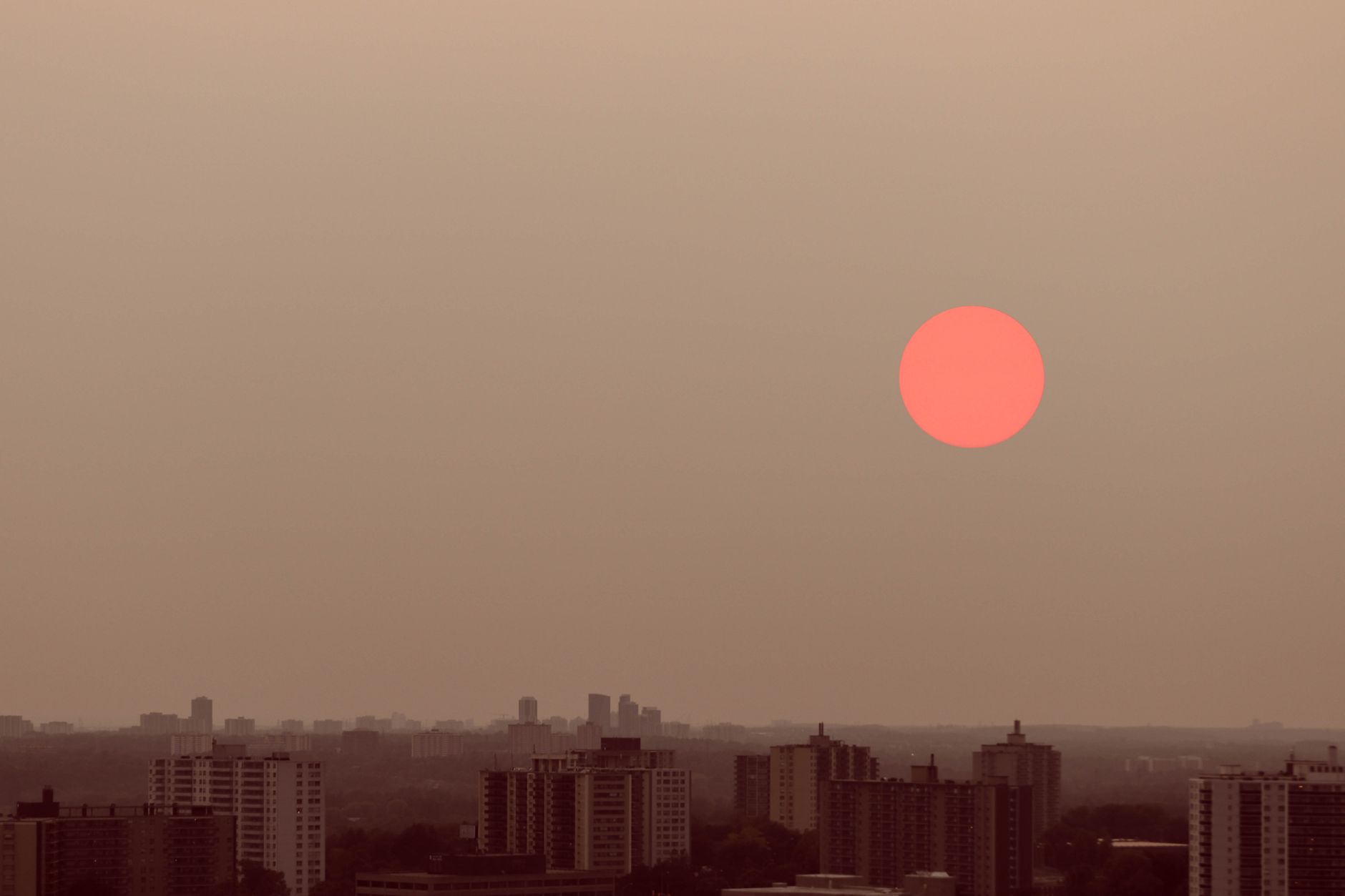
The observations were made during a session presided over by a three-member Supreme Court bench, which included the Chief Justice alongside Justice Joymalya Bagchi and Justice V. Mohana. The bench was convened to address the worsening air quality in the Delhi-NCR region, which has recently seen its Air Quality Index (AQI) escalate beyond the 400-point mark, placing it firmly in the "severe" category of pollution levels.
During the proceedings, the court heard from senior lawyer and amicus curiae Aparajita Singh, who provided a grim assessment of the current atmospheric conditions in the capital. Singh informed the bench that the air quality was so hazardous that the health impact on residents could be compared to the equivalent of smoking 30 cigarettes every single day. This alarming comparison underscored the urgency of the matter before the judiciary.
In light of the deteriorating air quality, the Chief Justice pointed to the need for a shift in perspective. He emphasized that the focus should be on rediscovering "original" customs and traditions, questioning why society could not "revert to our original culture" as a potential pathway toward more sustainable living. The bench’s remarks highlighted a growing frustration with the efficacy of temporary administrative interventions that have become the standard response during winter months when air quality inevitably nosedives.
The criticism of these bans marks a significant moment in the ongoing discourse regarding environmental policy in India. For years, the Graded Response Action Plan (GRAP) and various local government orders have frequently mandated the halt of construction projects and the implementation of vehicular restrictions, such as the odd-even scheme, to curb the emission of pollutants. However, the top court’s comments suggest a growing institutional view that these stop-gap measures are insufficient to manage a crisis that has become a recurring health emergency.
As the legal and environmental debate continues, the focus remains on what alternative policies or structural changes might be required to mitigate the pollution levels permanently. While the court has not yet issued a specific directive to replace the current system, the observations made by the bench reflect a desire for more robust, "original" solutions that extend beyond the repetitive use of bans. The court’s commentary serves as a signal to policymakers that the existing playbook for dealing with the city’s air quality is increasingly seen as inadequate.
The case continues to be a subject of intense scrutiny, with citizens and experts waiting to see how the court’s skepticism regarding traditional bans will influence future environmental policies in Delhi. For now, the administration faces the ongoing challenge of managing a severe pollution surge, even as the highest judicial authorities in the country demand a departure from established, yet seemingly failing, mitigation tactics.








Comments