


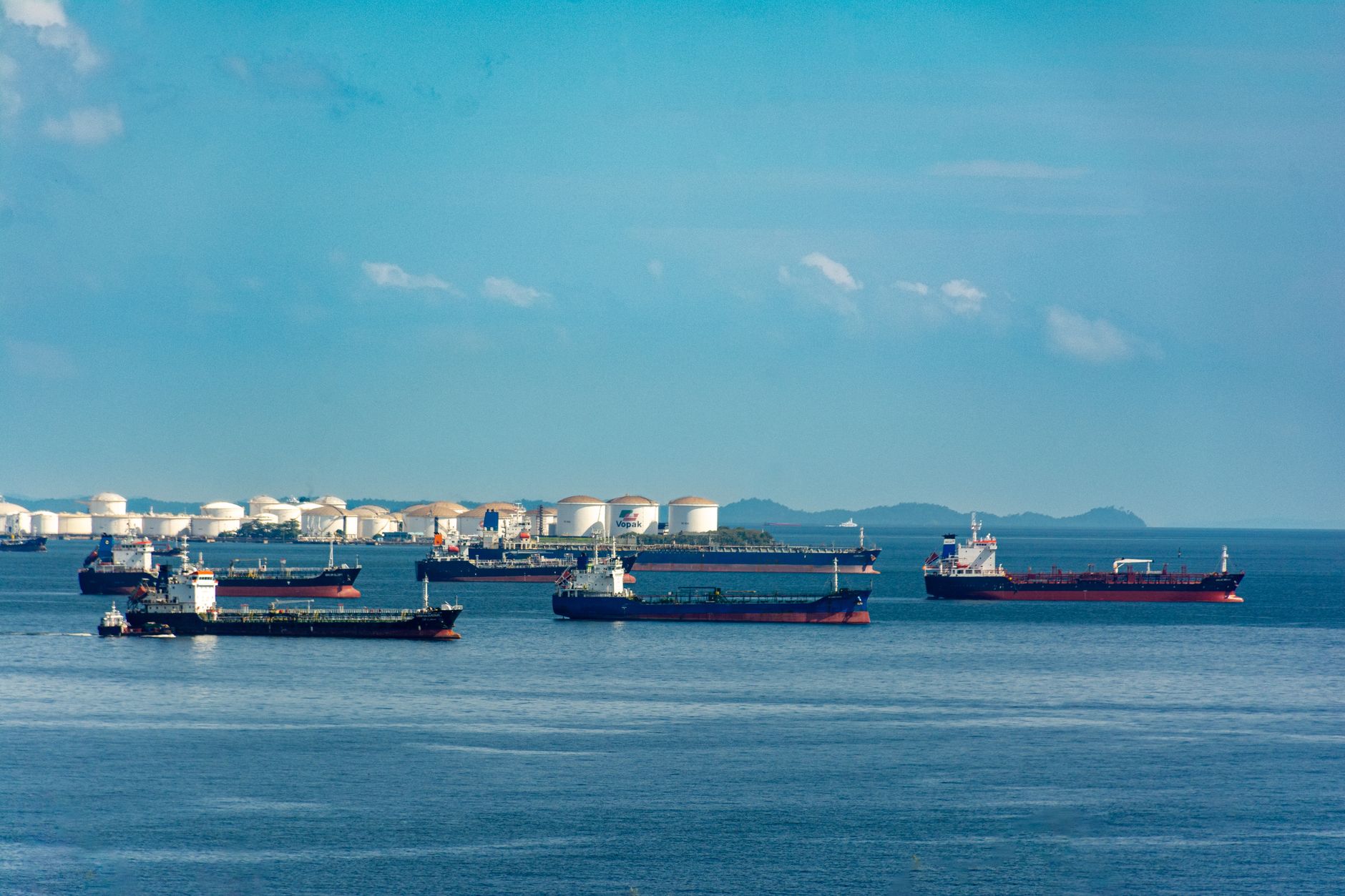
Iran has officially exempted vessels originating from India, China, Iraq, and Qatar from the restrictions it imposed within the Strait of Hormuz. The announcement was made on Tuesday by Amir Hayat Moqaddam, the deputy chairman of the Iranian parliament’s National Security and Foreign Policy Committee, who stated that ships from these four countries are now permitted to transit the critical waterway without interference.
The Strait of Hormuz has been largely closed by Iranian authorities since the onset of the US-Israel war on Iran, which commenced on February 28. In response to the conflict, the United States reimposed a naval blockade on Iranian southern ports in July. While the US Central Command (CENTCOM) maintains that its blockade applies to all vessels entering or leaving Iranian coastal areas, it has previously stated that humanitarian shipments—specifically food and medicine—may pass following necessary inspections.
According to Hayat Moqaddam, the rationale behind these exemptions involves a strategic exchange of goods and support. Iran reportedly expects to receive essential medicines from India and secure political backing from China. Furthermore, Tehran plans to collect transit fees from Indian and Chinese vessels, while Qatari ships have been granted passage without such costs. The specific terms regarding Iraqi vessels remain unclear, though observers suggest the exemption for Baghdad is likely intended to support the economic recovery of a fellow regional ally.
Analysts emphasize that while the move is a practical response to long-standing sanctions, it serves as an effort to circumvent international pressure. Rouzbeh Parsi, an Iran analyst at Lund University, noted that such arrangements are part of a broader strategy to create openings in the existing embargo. Similarly, Wolfgang Pusztai, a former Austrian defence attache to Libya, described the initiative as a calculated maneuver to generate revenue, particularly given that China is the primary purchaser of Iranian crude oil.
The economic stakes for the involved nations are substantial. Data from the analytics firm Kpler indicates that in October, approximately 42 percent of the 10.23 million barrels of Gulf crude transiting the strait were headed to China, with India accounting for 13 percent. For India, the access is vital for sourcing pharmaceuticals, while Qatar’s role as a mediator between Washington and Tehran adds a layer of complexity to its participation. Qatar, which managed 1.8 million tonnes of liquefied natural gas (LNG) shipments through the strait in October, remains in a delicate position due to its geographic proximity to Iran and its diplomatic ties with the United States.
Whether these ships can successfully navigate the US naval blockade remains a point of contention. While Iranian officials assert that the vessels pass freely without American interception, the policy set by Washington is expansive. Experts suggest that if the Iranian exemption covers broader trade rather than just humanitarian aid, it could create significant diplomatic friction with other Gulf nations, including Saudi Arabia, and escalate tensions regarding the enforcement of the US-led blockade.
Ultimately, these exemptions present a dual reality for the four nations. While they provide a pathway to mitigate the economic impact of the regional conflict and the blockage of vital supply chains, they also force these countries to navigate the political risks of challenging Washington’s strategy. As global powers continue to monitor the flow of energy and goods through the strait, the durability of these exemptions will likely depend on the evolving stance of the United States and the success of ongoing mediation efforts.







Comments