


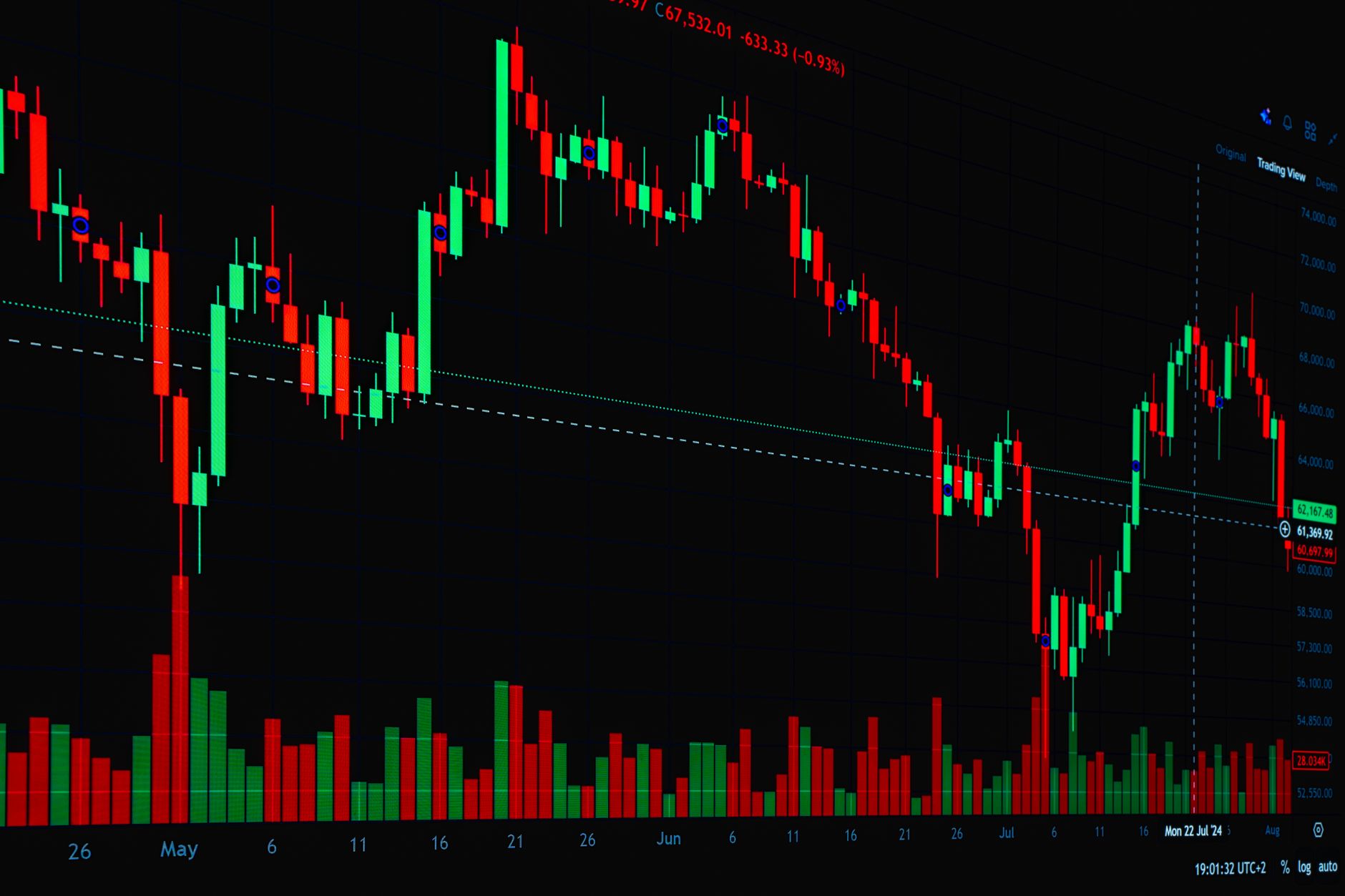
Indian equity markets demonstrated notable resilience on Friday, recovering from a cautious and flat start to trade firmly in positive territory. By mid-morning, the BSE Sensex had surged more than 500 points, climbing to an intraday high of 79,857, while the NSE Nifty 50 moved comfortably above the 24,600 mark. This upward momentum arrived even as global equity markets grappled with a significant sell-off, sparked by growing concerns over artificial intelligence-related spending and broader weakness in semiconductor stocks.
The domestic market's ability to decouple, at least partially, from international trends is largely attributed to robust foreign institutional investor activity. Data indicates that foreign funds purchased equities worth Rs 14,974.68 crore on Thursday alone. This reflects a broader trend of sustained interest from overseas investors, who have poured a net Rs 35,781 crore into the Indian market over the previous five sessions. Market analysts suggest that India’s relatively limited exposure to major global AI-driven stocks has provided a level of insulation against the volatility seen in other major financial hubs.
The contrast between domestic performance and international sentiment remained stark throughout the morning session. On Thursday, Wall Street witnessed a sharp decline, with the Nasdaq dropping by 5.52%, the S&P 500 falling by 4.36%, and the Dow Jones industrial average losing 3.44%. This negative sentiment rippled across Asia, where Japan’s Nikkei index plunged over 5%, marking its most significant single-day drop in eight months. Similarly, South Korea’s Kospi index faced a decline exceeding 6%, highlighting the severity of the technology-led sell-off in neighboring markets.
Within the Indian indices, the recovery was broad-based but led by specific heavyweights. Mahindra & Mahindra emerged as a top performer, with shares jumping over 4% following the company's announcement of a 25% increase in its second-quarter consolidated profit. Other notable gainers included Titan, HCL Tech, TCS, and Infosys. Conversely, the market breadth showed some signs of underlying caution, as several stocks remained in the red. Power Grid, Hindalco, and Shriram Finance were among those witnessing downward pressure during the early hours of trade.
Beyond the equity markets, the broader economic indicators reflected a complex landscape. The Indian rupee saw a marginal strengthening, trading at 94.38 against the US dollar. Meanwhile, government bond yields experienced a slight uptick, rising nearly 3 basis points to reach 7.1988%. These movements have been influenced by broader macroeconomic factors, including higher global oil prices, with Brent crude rising by 2.35% to reach $100.6 per barrel, and fluctuating yields on US Treasury securities.
The current rally follows a period of growth for domestic benchmarks, with both the Sensex and Nifty having recorded gains of approximately 8% over the preceding six trading sessions. As the trading day progressed, the market remained sensitive to global cues, yet the consistent influx of foreign capital continues to act as a crucial support pillar. Investors are closely monitoring the developments in the technology sector, hoping that the domestic resilience persists despite the ongoing instability in global markets.
Moving forward, market participants will likely keep a close watch on how the global tech rout evolves over the coming sessions. While Indian equities have shown the capacity to weather the current storm, the interplay between rising oil prices and foreign institutional investment flows will remain central to the market's trajectory. For now, the sentiment remains cautious but bolstered by the domestic market's performance relative to the global downturn.







Comments