


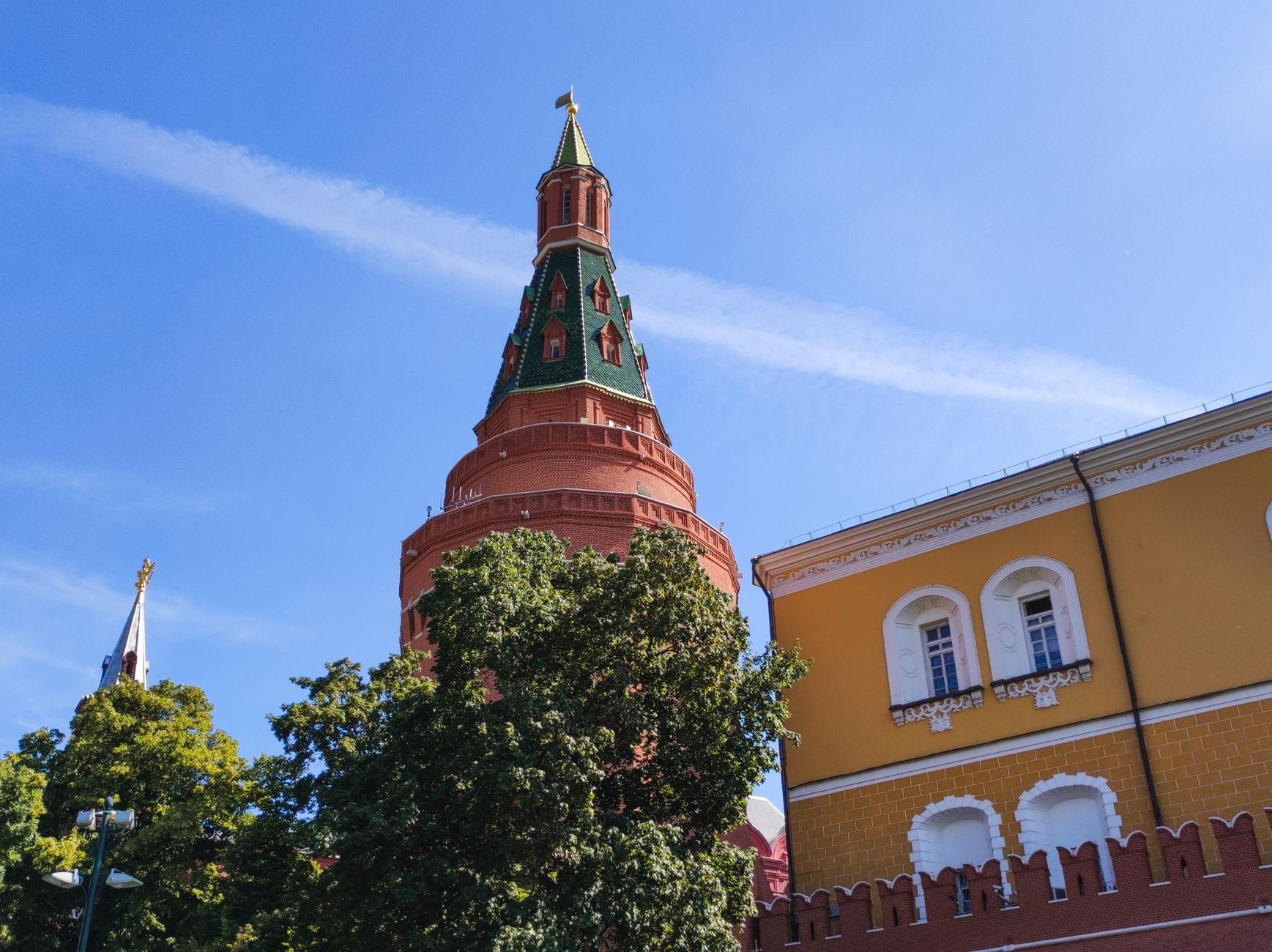
In a significant diplomatic engagement, Russian President Vladimir Putin met with Iran's top security official, Mohsen Rezaei, at the Kremlin to deliberate on critical regional issues and bilateral cooperation. The meeting, which took place in Moscow, was confirmed by both Iranian state media and the Russian presidential office, marking a notable interaction between the two nations as Tehran navigates heightened geopolitical tensions.
During the discussions, Rezaei reportedly delivered a formal message from Iran's Supreme Leader, Ayatollah Mojtaba Khamenei, to President Putin. The dialogue centered on the broader strategic landscape, with a specific focus on post-war stability and long-term security arrangements in the region. According to Rezaei, these conversations were aimed at shaping the framework for future security dynamics, particularly as Iran manages the fallout from its ongoing conflict with the United States.
Beyond security concerns, the bilateral talks explored practical economic initiatives, most notably the potential construction of a gas pipeline extending from Russia to Iran. Officials indicated that this project is intended to alleviate domestic gas shortages currently affecting Iran. Furthermore, the infrastructure would provide Russia with a strategic pathway to distribute and sell its gas supplies to countries neighboring Iran, thereby strengthening the energy ties between the two powers.
The meeting occurs against the backdrop of broader diplomatic efforts involving mediators seeking to end hostilities between Tehran and Washington. International focus remains fixed on the future status of the strategic Strait of Hormuz, as well as the impact of U.S. blockades on Iranian ports and broader sanctions imposed on the Islamic Republic. Additionally, the discussions coincide with international interest in the potential resumption of negotiations regarding Tehran’s nuclear programme.
Despite the diplomatic outreach, a senior Iranian official noted earlier this week that Tehran and the United States remain significantly divided on key issues. The stance from Iranian leadership remains firm; in a written statement released Wednesday, Ayatollah Khamenei emphasized that there should not be any inclination toward submission to the United States. This perspective was echoed by Rezaei, who confirmed that Iran has presented seven specific conditions to American representatives.
Rezaei underscored that until these conditions are met, Iran will continue its current posture, which includes keeping the Strait of Hormuz closed and refusing direct negotiations with the U.S. The visit to the Kremlin serves to reinforce the alliance between Moscow and Tehran as both nations engage with the international community to navigate these persistent diplomatic hurdles. While the path to a broader resolution remains complex, the meeting in Moscow highlights the ongoing coordination between the two governments as they evaluate their options for regional security and economic cooperation.
As the international community monitors these developments, the future of the proposed pipeline and the potential shift in diplomatic relations will likely remain at the forefront of regional politics. For now, the Iranian administration continues to balance its push for economic infrastructure with a firm commitment to its pre-established requirements for engagement with Western powers.








Comments