


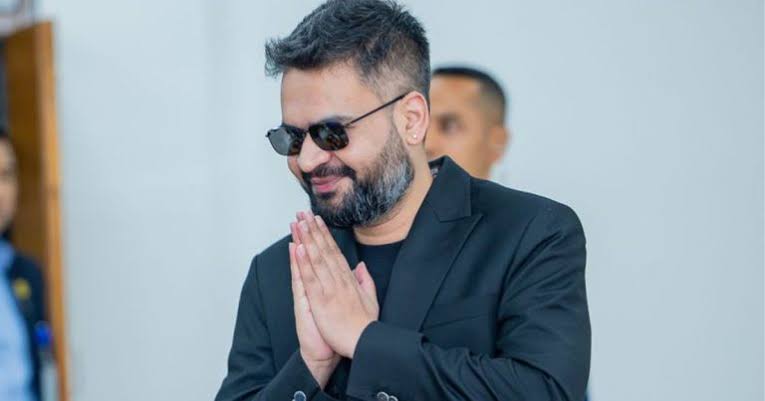
Nepal’s Prime Minister Balendra Shah is scheduled to embark on a three-day official visit to India beginning November 22. This upcoming journey marks his first bilateral trip abroad since he assumed office in March. The announcement follows a high-level meeting between Shah and Indian Foreign Secretary Vikram Misri, who visited Kathmandu to personally convey an invitation from Prime Minister Narendra Modi.
The decision represents a notable shift in the Nepalese Prime Minister’s initial policy, as he had previously stated an intention to refrain from overseas travel during his first year in office. However, following discussions with the Indian Foreign Secretary, Shah expressed a positive outlook regarding the trip, emphasizing his commitment to ensuring a “result-oriented” engagement during his stay in India.
During their meeting in Kathmandu, the Prime Minister of Nepal expressed his gratitude toward India and Prime Minister Modi. Specifically, Shah acknowledged India's prompt assistance during the devastating flash floods that impacted Nepal in August, noting that India was the first to respond to the crisis. This gesture of support has been viewed as a significant element in the ongoing diplomatic dialogue between the two neighbouring countries.
The Prime Minister’s Office in Nepal confirmed that Foreign Secretary Misri provided a comprehensive update on the status of regular bilateral discussions. These interactions cover a broad spectrum of critical areas, including energy, water resources, trade, transit, and aviation. According to a joint statement released at the conclusion of the two-day diplomatic visit, India’s Foreign Secretary highlighted the “wide-ranging engagement and overall progress in diverse areas of bilateral cooperation.”
Preparations for the upcoming visit have involved extensive consultations across various levels of government. During his stay in Kathmandu, Misri held delegation-level talks with his Nepalese counterpart, Amrit Bahadur Rai, to review existing partnerships. Furthermore, he engaged with key Nepalese cabinet members, including Finance Minister Swarnim Wagle, Foreign Affairs Minister Shisir Khanal, and the Ministers of Energy and Infrastructure Development. These discussions were intended to identify potential initiatives and desired outcomes for the Prime Minister’s visit to New Delhi later this month.
Beyond formal government channels, the Indian Foreign Secretary also connected with broader political stakeholders in Nepal. This included interactions with members of the India-Nepal Parliamentary Friendship Group and the Parliamentary Committee on International Relations and Tourism. These meetings underscored the depth of the current diplomatic relationship and the mutual desire to strengthen the partnership between the two nations.
As both governments finalize the agenda, the visit is expected to build upon the established framework of collaboration. By focusing on specific outcomes in energy and infrastructure, the diplomatic teams aim to translate ongoing cooperation into tangible benefits. The visit on November 22 is anticipated to serve as a pivotal moment in the current administration’s foreign policy, setting the tone for India-Nepal relations in the coming years.








Comments