


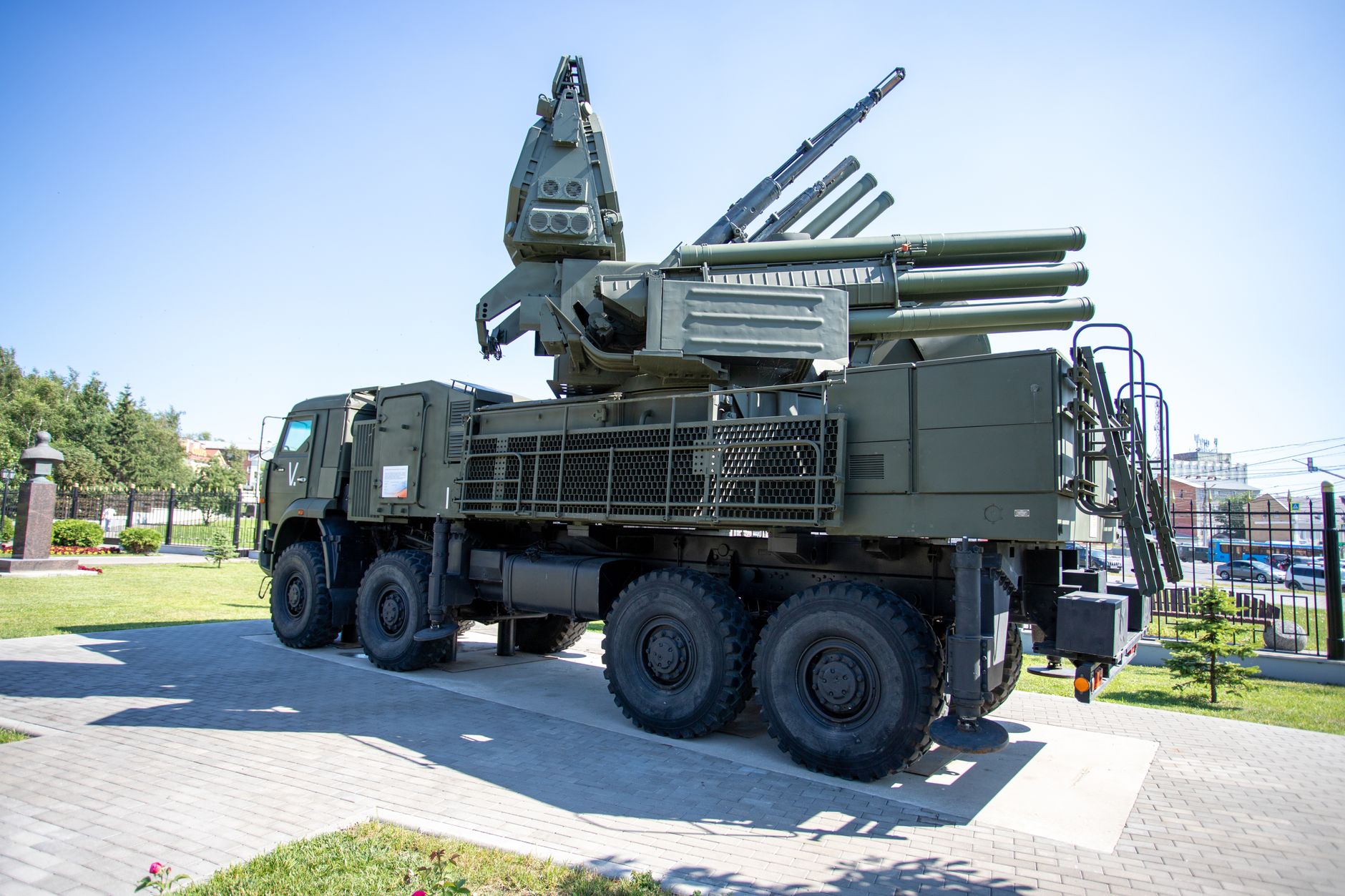
The Saudi-led coalition currently engaged in the conflict against Yemen’s Houthi rebels announced on Thursday that it had successfully intercepted a ballistic missile fired toward the Medina region. The region is notable for hosting one of Islam’s holiest cities. The interception was confirmed by coalition spokesman Turki al-Malki, who stated in a post on social media platform X that air defence systems had detected and destroyed the projectile.
This development occurred shortly after Saudi Arabia’s civil defence agency issued a public warning regarding potential dangers in the area surrounding the strategic port city of Yanbu. The National Early Warning Platform for the Yanbu Governorate had alerted residents to the situation, though the agency subsequently confirmed that the threat had passed. Yanbu serves as a critical oil export hub and acts as the primary terminal for the kingdom’s East-West pipeline.
The significance of Yanbu has increased considerably since the onset of the United States-Israeli war on Iran this past February, as the port facilitates the transport of crude and fuel to international markets. Houthi forces, however, have strongly rejected the coalition’s claims regarding the attempted strike on Medina. In a statement posted on X, Houthi military spokesman Yahya Saree dismissed the accusation as a "blatant and grave falsehood," asserting that their tactical operations remain focused exclusively on military installations and energy facilities.
Beyond the missile incident, the broader conflict within Yemen continues to intensify on multiple fronts. Colonel Majed Abdullah al-Nazili of the internationally recognised Yemeni government forces reported that his troops had recently seized control of the Sanamat area within the Taiz governorate. According to Al-Nazili, government forces conducted nearly 1,300 targeting operations over a 24-hour period, which he claimed resulted in the deaths of approximately 400 Houthi fighters and the destruction of over 130 military vehicles or weapon emplacements.
These territorial claims, however, remain unverified by independent sources. The Yemeni government recently reported that over 16,000 Houthi operatives have been killed or wounded since early October, a figure that the Houthi leadership has not acknowledged or confirmed. Meanwhile, on the al-Jawf front, engineering units are currently engaged in clearing landmines and booby traps from areas previously reclaimed by government forces.
The ongoing regional friction is increasingly viewed by analysts as a prolonged war of attrition. Yazeed al-Jeddawy, a research manager at the Sana’a Center for Strategic Studies, noted that the current government offensive has struggled to shift the overall balance of power. He added that the conflict in Yemen is now deeply intertwined with broader regional confrontations involving Iran, moving beyond local dynamics to become a focal point of regional instability.
As hostilities persist, the Houthis have continued to launch frequent missile attacks directed at various locations within Saudi Arabia, including airports and critical infrastructure sites. These strikes have frequently disrupted air traffic across the kingdom. While both sides remain entrenched in their respective positions, the situation near key energy assets like the Yanbu port remains a point of high concern for regional security and international energy supply chains.








Comments