


During the recent US midterm elections, voters across Minnesota and Texas transformed the act of casting a ballot into a memorial tribute. In cities including Minneapolis and Houston, citizens placed “I Voted” stickers and placards at sites dedicated to individuals who were killed by federal immigration agents earlier this year. These acts of remembrance served to link the electoral process directly to the lives lost during the administration’s intensified immigration enforcement efforts.
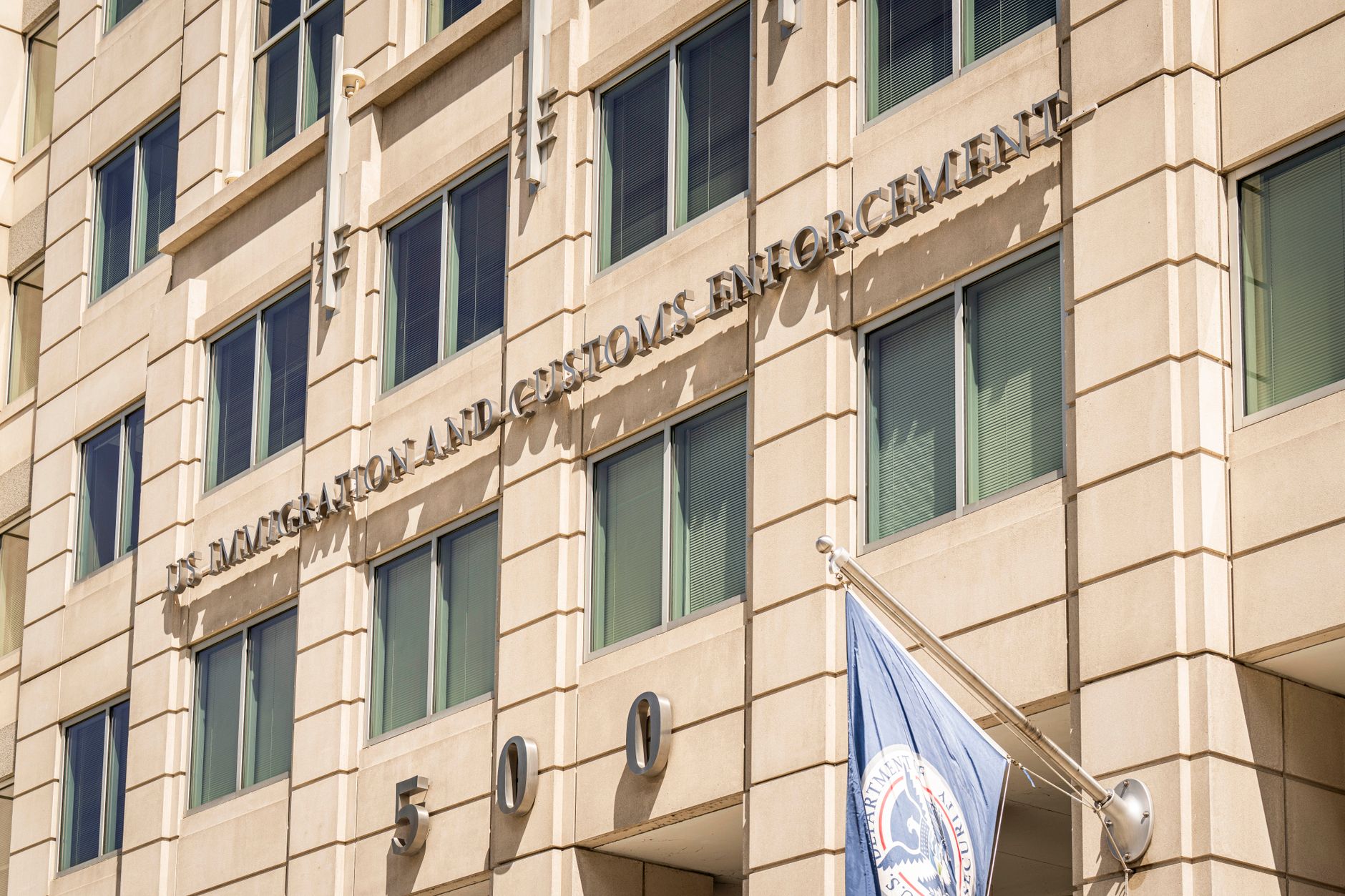
In Minneapolis, the tributes were focused on the memories of Renee Nicole Good and Alex Pretti. Pretti, a 37-year-old intensive care unit nurse at a Veterans Affairs medical centre, was fatally shot multiple times by two Border and Customs Protection officers in January. Good, a writer and mother of three, was also killed by gunfire during an incident involving a United States Immigration and Customs Enforcement (ICE) agent during the operation referred to as Operation Metro Surge.
A similar scene unfolded in Houston, where voters left tributes for Lorenzo Salgado Araujo, a construction worker and father who was fatally shot by ICE agents in July. According to reports, many of the stickers left by voters at these memorial sites carried personal messages, with some reading “I voted for you” or the Spanish phrase “Por usted,” meaning “for you.”
For many participants, the gesture was deeply personal and tied to the political climate. Arne, a retired doctor who had worked with Pretti, visited the memorial site to place his sticker. Describing Pretti as a competent and well-liked nurse, he characterized the events surrounding the death as an act of assassination. Another voter, identified as Mike, left his sticker at the memorial for Good, stating that his vote felt more connected to the tragic events that occurred in the city earlier in the year, making the tribute a necessary expression of his political participation.
The backdrop for these actions is the immigration crackdown implemented by the administration of US President Donald Trump at the end of 2025 and throughout the beginning of 2026. This policy, particularly the execution of “Operation Metro Surge,” prompted significant local pushback. In various cities, community groups organized rapid response teams in an effort to restrict immigration officials from detaining individuals. This period of intense local mobilization against federal actions is widely seen as a defining factor in the political landscape leading up to the midterms.
Political observers have noted that the fallout from these violent deportations and the administration’s broader immigration response played a role in the midterm election results. The election saw the Republican party lose control of both houses of Congress to the Democrats. The act of leaving election stickers at memorial sites underscored the degree to which these immigration issues mobilized voters and shaped the discourse during the electoral cycle.
As the country transitions into the post-election period, the memorials in Minneapolis and Houston remain focal points for communities processing the events of the year. The connection drawn by voters between their civic duty at the ballot box and the lives of those impacted by immigration enforcement highlights a significant tension that defined the 2026 midterm season and continues to resonate in the public consciousness.








Comments