


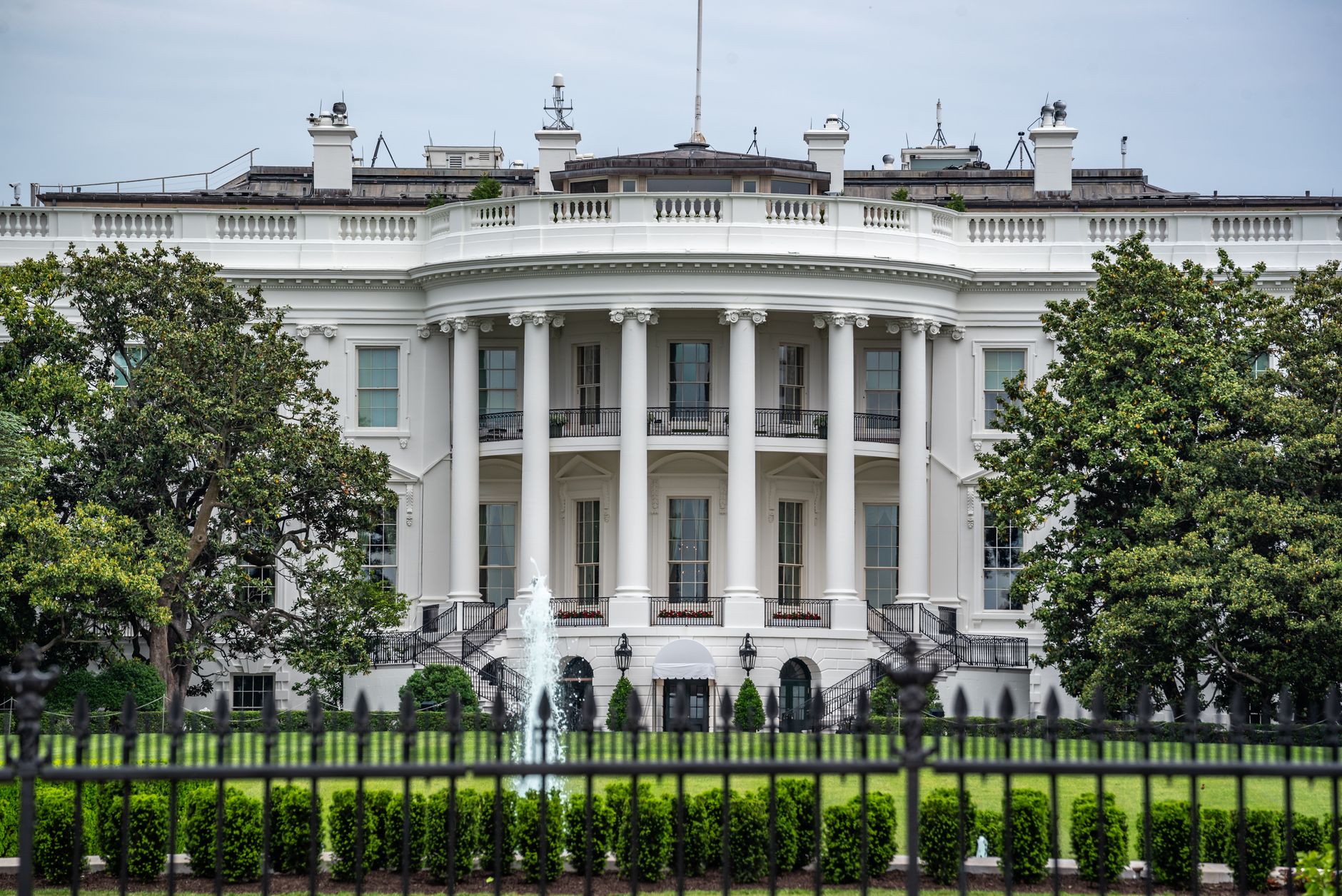
In an unprecedented diplomatic gesture, United States First Lady Melania Trump hosted representatives from Russia and Ukraine at the White House on November 5, 2026. The meeting, which the White House described as a historic instance of an American First Lady personally convening officials from two warring nations for dialogue, was aimed at encouraging both sides to transition from a recent, short-term ceasefire toward a more sustainable peace.
The delegation included Kirill Dmitriev, a special envoy for Russian President Vladimir Putin, and Yana Lantratova, Russia’s human rights commissioner. From the Ukrainian side, the meeting was attended by David Arakhamia, the parliamentary leader of the Servant of the People party, and Dmytro Lubinets, the Ukrainian parliamentary human rights commissioner. Addressing the group, Mrs. Trump expressed hope that the parties could cultivate a lasting resolution, describing a recent localized truce in the city of Oleshky as a potential beacon for peace.
The discussion centred on the humanitarian impact of the conflict. The First Lady noted that her involvement in the process, which she described as an “exclusive intermediary” role, was supported by written agreements from both nations. Her participation spanned several operational aspects, including the oversight of evacuation routes and the review of de-mining strategies. During the session, Ukrainian representatives presented Mrs. Trump with the Order of Princess Olga, first class—an honour awarded to her by President Volodymyr Zelenskyy earlier in the week. In turn, she provided the senior officials with formal letters addressed to both President Putin and President Zelenskyy.
The diplomatic focus on Oleshky follows a six-day ceasefire that concluded last Sunday. According to reports, this truce provided the first joint relief operation since the start of the full-scale invasion in February 2022. It facilitated the evacuation of nearly 800 people from a city that had held an estimated 2,000 civilians. While the White House credited the First Lady with brokering the truce, there have been reports of differing accounts regarding the mediation process, with mentions that Pope Leo XIV had also exerted pressure on both parties to permit humanitarian aid and civilian evacuations.
Despite the efforts, the fragile nature of the situation remains clear. The Oleshky truce expired without an extension, and just one day later, a bombing at an aid distribution point in the Zaporizhia region’s Komyshuvakha resulted in at least 40 deaths, according to figures provided by President Zelenskyy. This incident underscores the volatility facing negotiators as they look toward the next phase of diplomatic engagement.
Looking ahead, the diplomatic focus is shifting toward Abu Dhabi, where new discussions between the Russian and Ukrainian delegations are expected to take place on November 10 and 11. These upcoming talks are widely viewed as a critical opportunity to maintain the momentum generated by the White House meeting. For now, observers are waiting to see if these high-level interactions can bridge the deep-seated divides that have persisted since the beginning of the conflict nearly five years ago.








Comments