


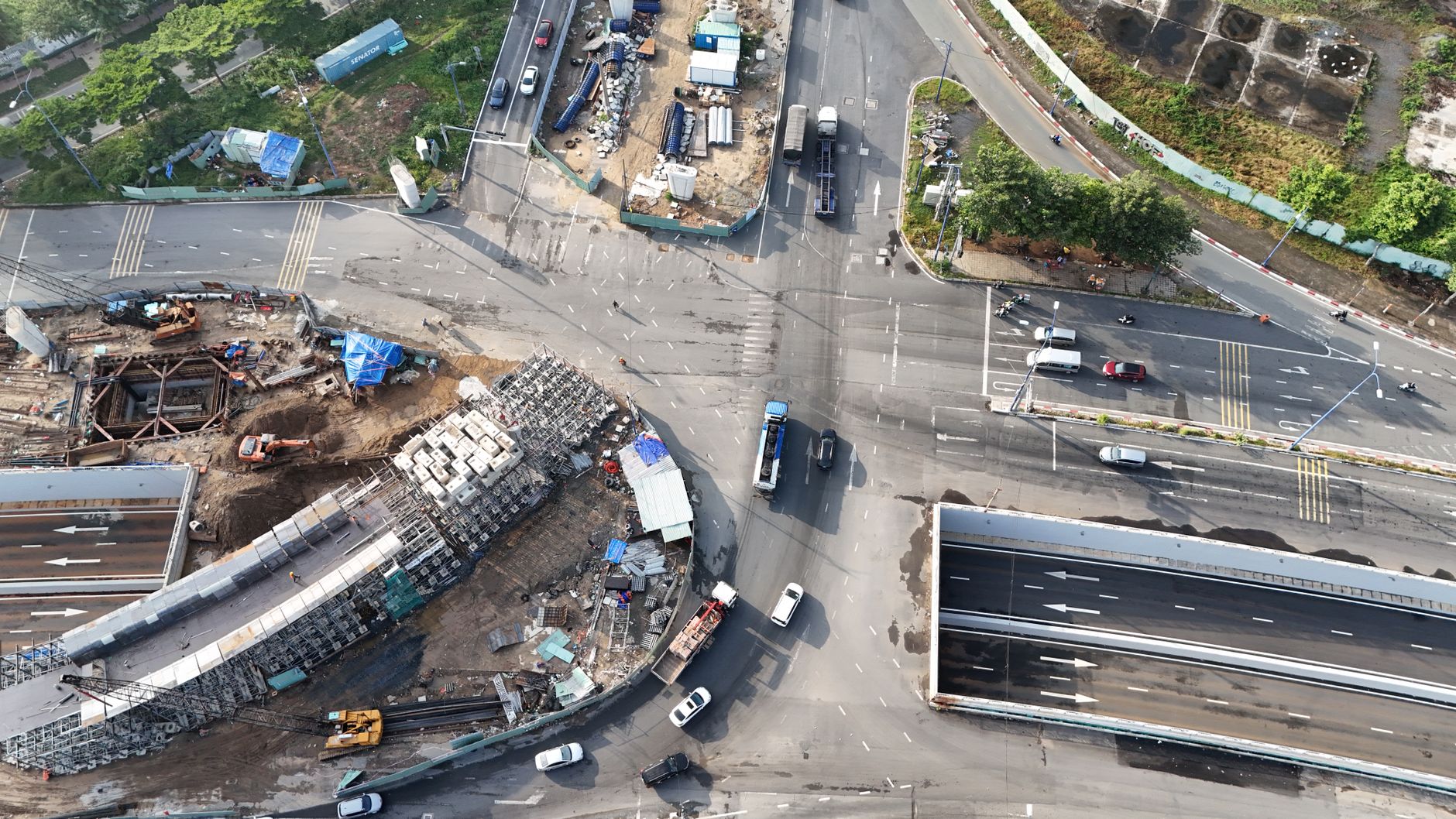
In a significant move aimed at bolstering the state’s transportation network, the Karnataka Cabinet has officially approved a ₹20,000 crore infrastructure development package under the Public Works Department (PWD). The initiative, which focuses on enhancing connectivity across rural areas, districts, and taluks, is viewed as a pivotal project for the state government as it prepares for local body elections, which are reportedly slated to take place in January.
The extensive investment plan is divided into four distinct components intended to address various facets of Karnataka’s road infrastructure. The largest allocations include ₹6,000 crore dedicated to 'Appendix E' works, which encompass a broad range of road, bridge, and building projects across numerous Assembly constituencies. An additional ₹6,000 crore has been earmarked for a new scheme specifically designed to improve connectivity between administrative headquarters. This particular portion of the funding will support the development of approximately 3,986 kilometres of roads linking district headquarters to one another, as well as connections between district and taluk centres.
Further funding includes ₹5,000 crore allocated for the State Highway Development Scheme, specifically for Phase 5, Stage 2. This segment of the project targets the development of 1,897 kilometres of state highways. Finally, the remaining ₹3,000 crore is set aside for general road improvement works across the state, providing a boost to existing road networks that require upgrades or maintenance.
Public Works Department Minister Eshwar Khandre confirmed the cabinet’s decision, stating that the substantial allocation represents a major step toward developing critical district and state highway roads. Speaking on the approval, he emphasized that this move is a significant policy decision intended to strengthen the overall infrastructure of the state. The administration expects these improvements to yield tangible benefits for the public, including smoother daily commutes and enhanced efficiency for businesses moving goods across the state.
For the agricultural sector, the government anticipates that the upgraded road networks will simplify the process for farmers transporting produce to major markets, potentially reducing transit times and improving overall access. By prioritising links between rural areas and urban centres, the government aims to create a more integrated transport system, which has long been a demand in many parts of the state.
Politically, the timing of this announcement is noteworthy. With local body elections expected to be held in January, the massive infrastructure outlay allows the ruling government to present a concrete development-focused narrative to voters. The focus on improving connectivity—an issue that impacts both urban and rural demographics—is likely to feature prominently in the government's electoral outreach.
Despite the optimism surrounding the announcement, officials acknowledge that the primary challenge lies in the execution of the projects. Translating the ₹20,000 crore budget into functional, high-quality roads within the stipulated timelines will require rigorous monitoring. Ensuring timely completion and maintaining quality standards across various districts and taluks will be the litmus test for the Public Works Department as it rolls out these ambitious infrastructure works in the coming months.








Comments