


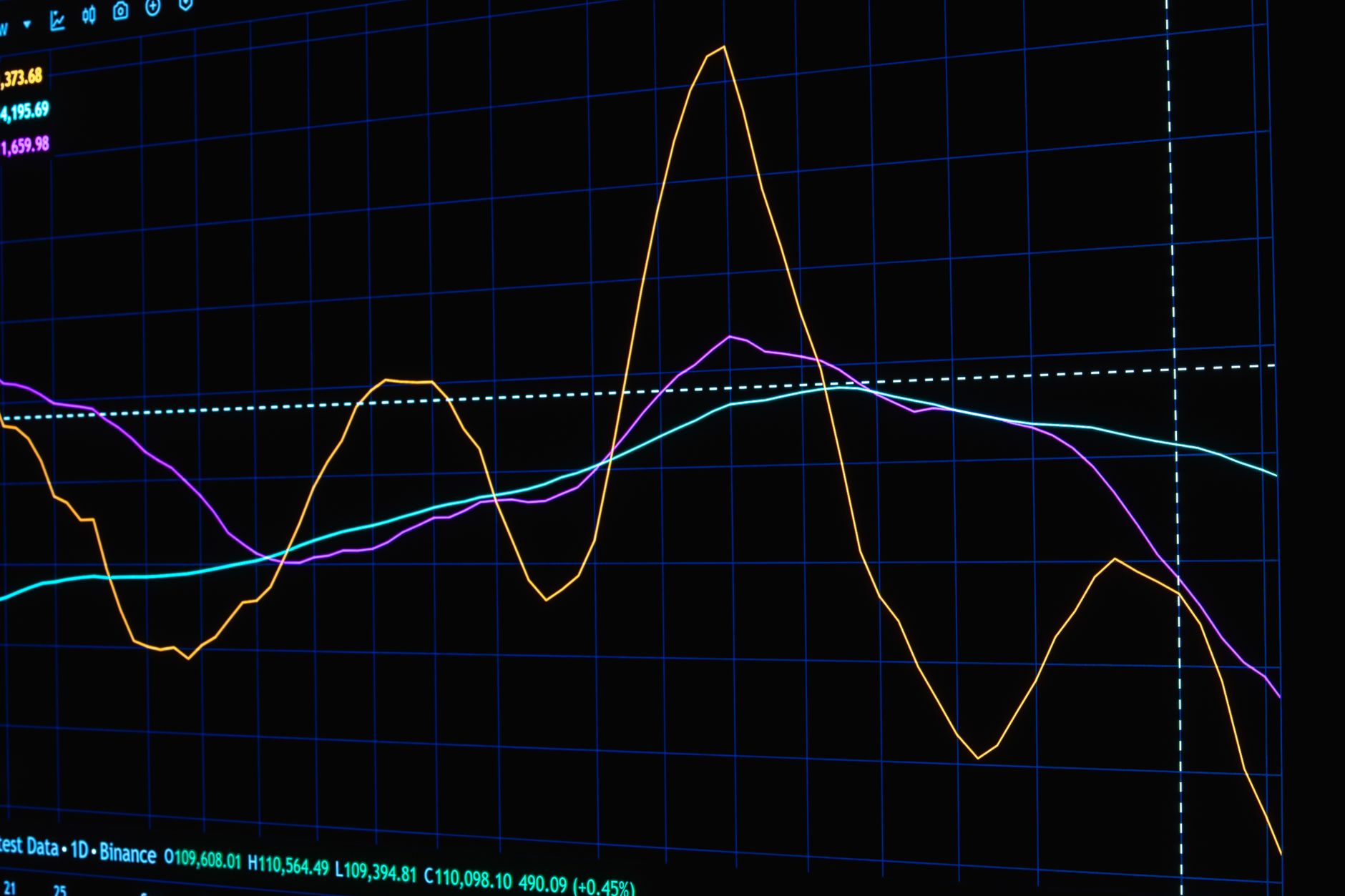
Shares in Elon Musk’s aerospace firm, SpaceX, recorded a notable decline of more than 7% during early trading on Friday. The dip occurred against a backdrop of a wider retreat in the technology and artificial intelligence sectors, as markets responded to the results of the recent US midterm elections. The tech-heavy Nasdaq Composite index experienced a turbulent session, at one point falling by more than 5% as investors grappled with the implications of shifting political control.
The market volatility is largely attributed to the expectation of more rigorous government scrutiny regarding data centre construction and the burgeoning artificial intelligence industry. Democrat victories in critical regions, most notably in Texas, have brought these concerns to the forefront. Governor-elect Gina Hinojosa had campaigned on a platform that included a pledge to implement a moratorium on new data centre construction, a move that has unnerved investors who previously viewed such regions as primary hubs for digital infrastructure development.
The semiconductor industry has been particularly hard hit by the unfolding market correction. Over the preceding five days, chipmaker AMD saw its shares drop by nearly 17%, while Micron experienced a decline of more than 20%. Other industry leaders also faced substantial pressure, with Intel’s shares falling by over 18% and Nvidia seeing a reduction of more than 10%. Consequently, the Philadelphia Semiconductor Index has shed more than 13% of its value, reflecting a broad-based lack of confidence among investors concerning the short-term outlook for hardware manufacturers tied to the AI boom.
Elon Musk, who was a significant financial contributor to Republican campaigns, found himself at the centre of this political shift. He reportedly invested nearly $450 million to support various Republican efforts, including a contribution of at least $45 million directed toward the Texas senate race. The Democratic success in these contests has left some industry analysts questioning the future relationship between the tech sector and the incoming political administration.
Industry leaders have acknowledged that the backlash against the expansion of data centres was largely unexpected. At the WSJ Tech conference held in Napa, California, on Wednesday, OpenAI president and co-founder Greg Brockman admitted that the sector had underestimated the level of community opposition. He emphasised that moving forward, companies cannot rely solely on online messaging to justify large-scale infrastructure projects. Instead, he argued that firms must engage more directly with local communities to ensure they are on board with the development of new technologies.
Echoing these sentiments, Meta president Dina Powell McCormick stressed the necessity for the AI industry to refine its narrative. She suggested that companies need to “double and triple down” on their efforts to communicate the tangible benefits of artificial intelligence to the public. As the industry faces this period of re-evaluation, investors are also weighing concerns that the broader AI sector may currently be in a speculative bubble, raising the possibility of further market corrections in the near future.
As it stands, the combination of immediate electoral impacts and underlying fears regarding infrastructure regulation has created a climate of uncertainty for tech investors. While companies look toward improving their community engagement strategies, the market remains reactive to any signals of forthcoming policy changes. Observers are now watching closely to see how these newly elected officials proceed with their stated agendas regarding the limitations on data centre growth, which remains a core pillar for the expansion of modern artificial intelligence and cloud computing capabilities.








Comments