


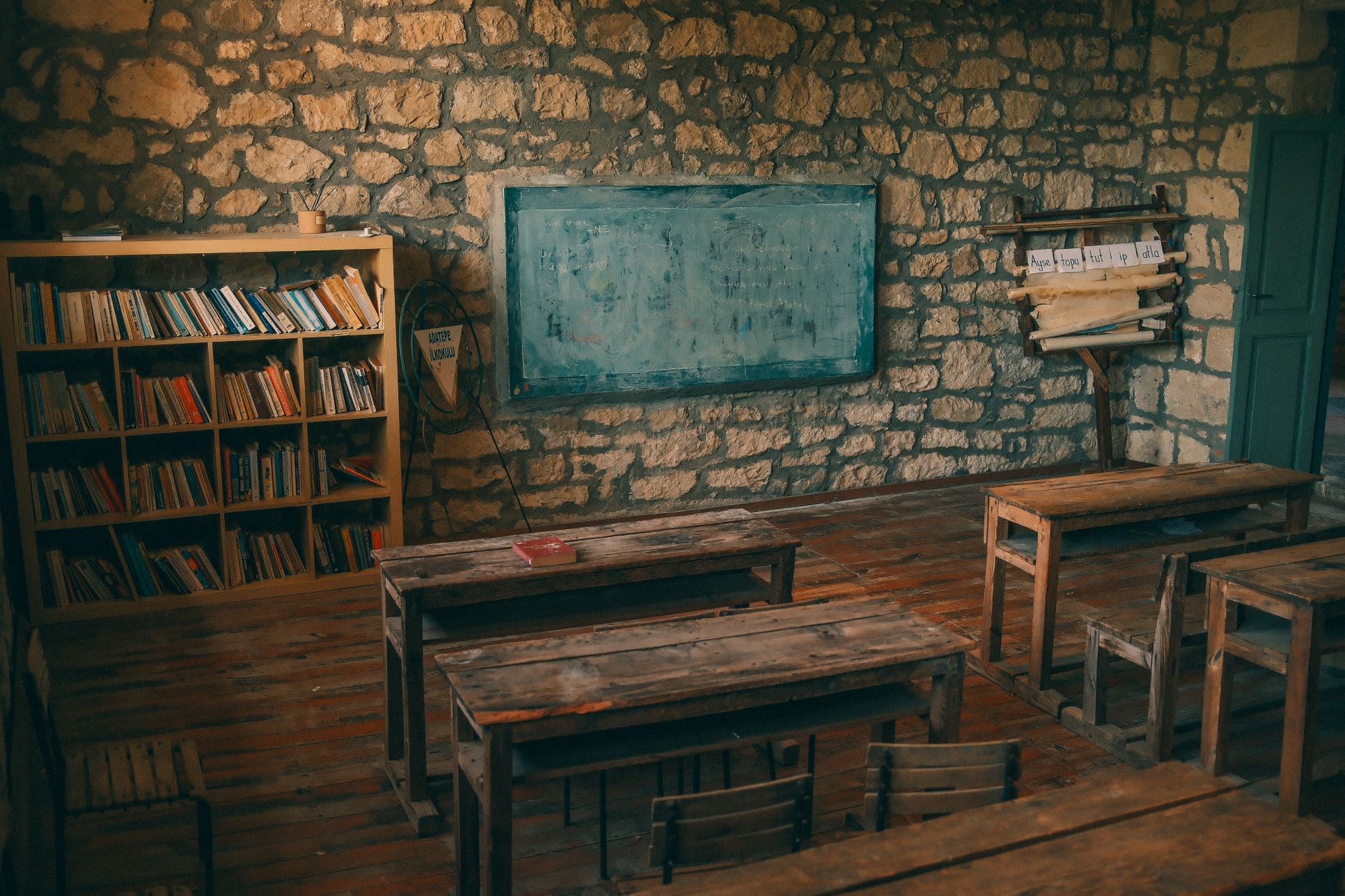
The Karnataka government is exploring a new model to bolster the quality of rural education by fostering collaborations between government-run institutions and private schools. Under the recently introduced initiative, titled “Namma Shaale Namma Javabdari” (Our School, Our Responsibility), the state plans to link 2,000 government schools with private entities in a phased approach, starting with an initial group of 1,000 schools.
Chief Minister DK Shivakumar has formally appealed to private school managements to adopt government institutions and share essential resources, including teaching expertise, school buses, laboratory equipment, and computers. Addressing a meeting with private school representatives and corporate social responsibility (CSR) stakeholders, Shivakumar emphasized that the objective is to bring the quality of rural education closer to the standards found in private institutions, thereby addressing the root causes of urban migration.
A significant portion of the proposal focuses on human capital. Rather than relying solely on financial contributions for infrastructure, the government is encouraging private schools to depute experienced educators to government classrooms. Under this arrangement, the private institutions would continue to cover the salaries of these teachers. The government has also offered flexibility, allowing private institutions to select government schools for support based on their own financial capacity and convenience, with the potential for one private school to support up to three government institutions.
Beyond immediate educational benefits, the Chief Minister linked this initiative to the broader socio-economic challenge of managing rapid urban growth. According to the government, the search for better education is a primary driver for families migrating to Bengaluru, which exacerbates the city's population density and traffic congestion. By improving the quality of schools in rural areas, the government hopes to enable children to receive a high-quality education within their home villages, eventually reducing the migratory pressure on the state capital.
As an incentive for private sector participation, the state has permitted contributing organizations to associate their names with the government schools they choose to support. An example of this is the Hegganur Government School near the Tamil Nadu border, which has been permitted to adopt a hyphenated name acknowledging its private benefactor. This policy builds on previous instances of private sector involvement, such as Toyota’s support for constructing 23 schools in the Ramanagara district.
The initiative seeks to tap into Karnataka’s significant CSR potential, which boasts an annual fund pool of approximately Rs 8,800 crore. The government is actively working to ensure that a larger portion of these funds is directed toward primary education in rural areas. During recent discussions, Chief Minister Shivakumar urged companies generating revenue in the state to prioritize local rural development in their CSR expenditure.
The state has also taken steps to secure additional funding for broader improvements. The government recently finalized a Rs 2,000-crore loan from the World Bank aimed at infrastructure development for Karnataka Public Schools. Furthermore, during a recent session, 15 organizations signed Memorandums of Understanding (MoUs) totaling Rs 206.10 crore for the upgrading of 56 government schools. These new commitments bring the total earmarked funding for school improvements to Rs 291.10 crore, covering 89 institutions across the state.







Comments