


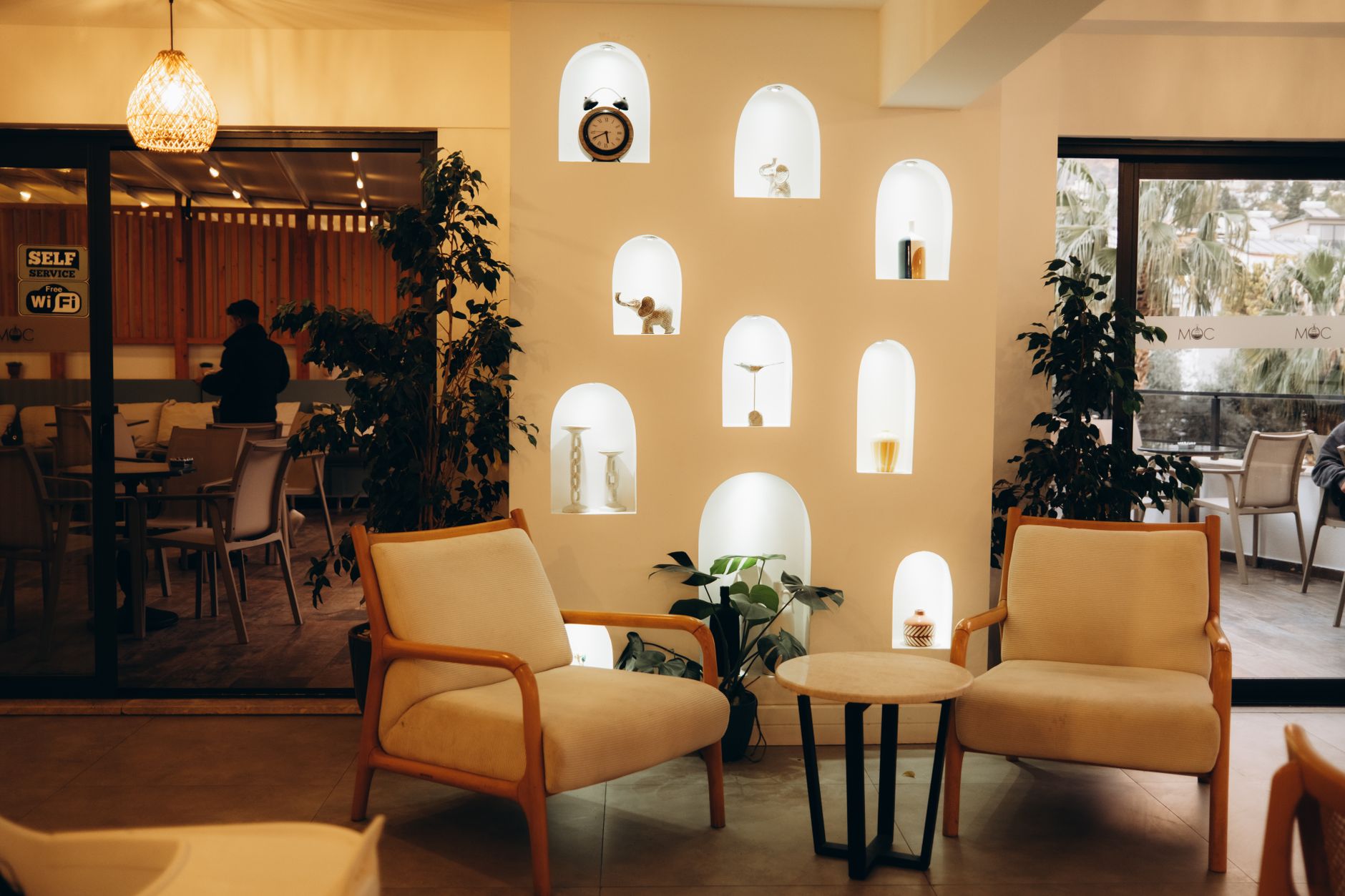
A growing trend of remote work and digital nomad culture has brought an unexpected challenge to small business owners in Bengaluru. An entrepreneur operating a cafe in the city’s Indiranagar neighbourhood has reportedly faced significant financial difficulties due to a practice often referred to as "table squatting." According to reports, the business owner, who invested between ₹60 lakh and ₹80 lakh to establish the outlet, is finding it difficult to maintain profitability as customers occupy tables for hours after purchasing only a single cup of coffee priced at ₹150.
The issue gained traction after a social media user highlighted the struggles of his school friend, who runs the establishment. The narrative explained that while customers seek out cafes for their amenities—such as free WiFi and comfortable seating—the resulting "squatting" creates a logistical hurdle. When individuals remain at a table for the duration of the day after a minimal purchase, the cafe effectively loses the opportunity to serve new patrons who arrive and find no available seating, forcing them to leave.
This scenario highlights the precarious balance cafe owners must strike between providing a welcoming environment and ensuring their business remains viable. The owner noted that even though the persistent occupation of tables is detrimental to revenue, the fear of receiving negative online reviews prevents him from actively managing the turnover of customers. In the digital age, a single poor rating on platforms like Google can significantly impact a restaurant’s reputation and footfall, leaving owners in a difficult position where they hesitate to ask long-staying customers to leave.
Industry observers have suggested that this phenomenon is a key reason why major coffee chains, such as Starbucks, Café Coffee Day, and Third Wave Coffee, maintain relatively high price points for their beverages and food items. The pricing model in these larger chains often accounts for more than just the product itself; it implicitly factors in the cost of providing the physical space, electricity, and the service of hosting customers for extended periods. In essence, the price paid by the consumer is partly a rental fee for the chair and the environment.
The plight of the Indiranagar cafe owner has sparked a conversation about the unwritten rules of cafe etiquette. As the story circulated online, users began offering various suggestions to help business owners mitigate the issue without alienating patrons. Some proposed that cafes implement a policy requiring additional purchases for every hour spent at the establishment, while others suggested printing the average stay time directly on the receipt to encourage a natural turnover.
For many independent cafe owners, the challenge remains how to enforce such rules politely. With competition high in hubs like Indiranagar, operators are wary of implementing strict time limits that might be perceived as unfriendly. As the debate continues, it remains to be seen whether smaller cafes will adopt more rigid service policies or continue to absorb the losses in order to maintain their customer base and ratings.








Comments