


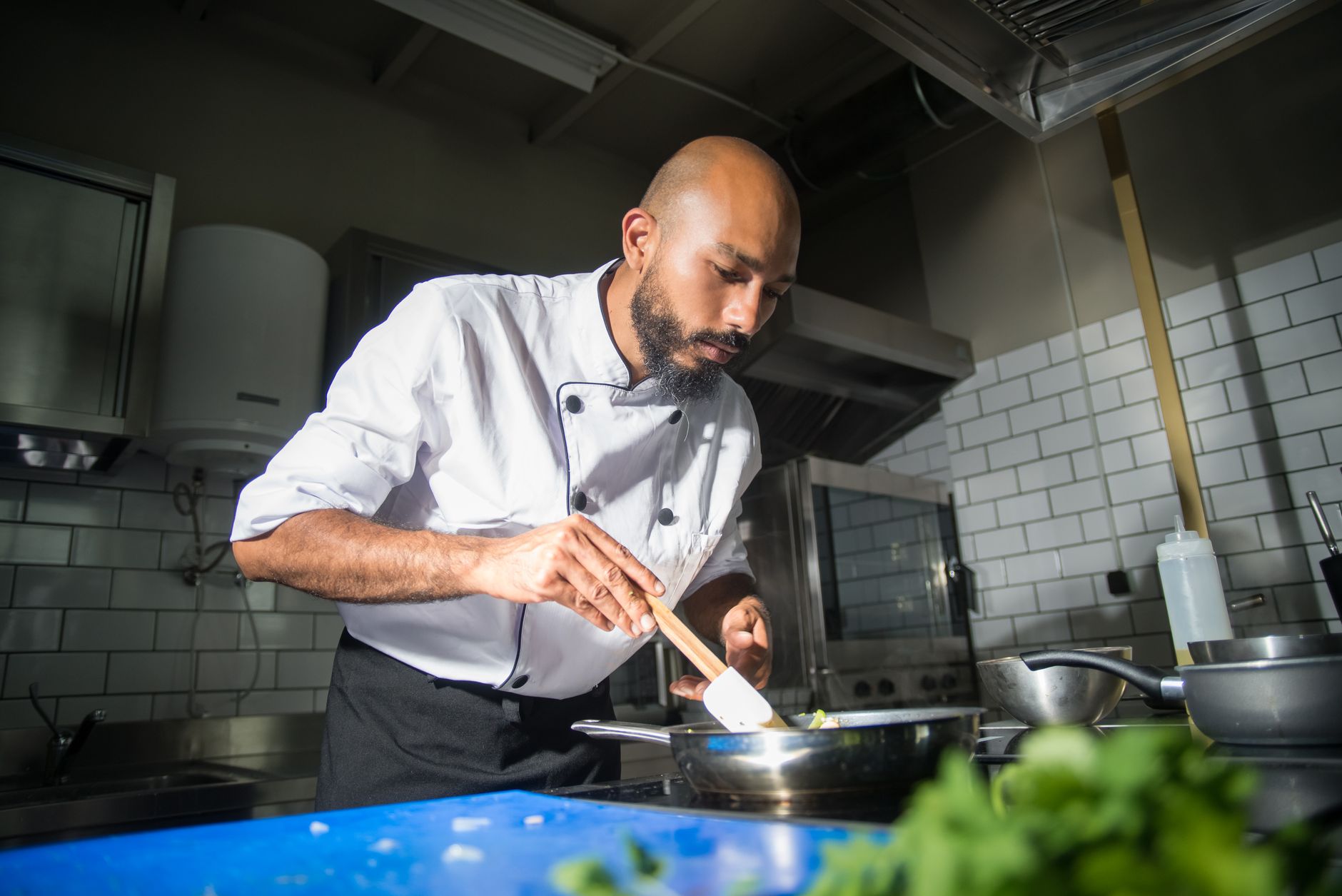
A culinary dispute regarding traditional food preparation has culminated in the termination of an Italian chef from a restaurant in Brisbane, Australia. Davide Tamburella was dismissed from his post in May after management at the establishment concluded that his conduct was no longer compatible with the requirements of the business. The decision followed a series of documented complaints concerning the chef’s workplace behavior, which had become a growing concern for the restaurant’s operators.
Central to the friction between the chef and his employers was the persistent refusal to prepare ham and pineapple pizza for customers. According to reports, this was not an isolated incident but rather the third time in four years that the chef had declined to utilize the specified fruit topping. The combination of ham and pineapple, a controversial topping often referred to as 'Hawaiian' pizza, remains a polarizing subject within the international culinary community, yet it is a staple offering in many Australian dining establishments.
During the course of the employment conflict, Tamburella expressed his professional and personal stance on the matter, noting that he found the practice of placing pineapple on pizza to be “offensive to his culture.” For many traditional Italian chefs, the integrity of classic pizza recipes is viewed as a significant aspect of culinary heritage, often leading to strong ideological stances against modern variations that diverge from traditional Neapolitan or regional Italian standards.
However, the management of the Brisbane restaurant indicated that the firing was not solely based on the pizza topping issue. Instead, they characterized the refusal to fulfill the order as one of several behavioral concerns that led to the final decision. The restaurant staff had reportedly faced difficulties during a function where the chef declined a request to serve the pizza, bringing the underlying tensions between his traditional culinary approach and the restaurant’s operational requirements to the surface.
The incident has drawn attention to the balance between culinary autonomy and the service expectations of the hospitality industry. While chefs often take pride in their training and the authenticity of their menus, commercial kitchens must often adapt to local preferences and customer demands to remain viable. This case serves as a point of reflection for the broader hospitality sector in Australia, where diverse culinary influences frequently intersect with the practicalities of meeting varying consumer tastes.
As the news of the dismissal has circulated, it highlights the challenges faced by international chefs working in diverse cultural environments where their traditional culinary boundaries may be tested by local food trends. For Tamburella, the refusal to compromise on his perception of authentic Italian cuisine became the defining feature of his departure from the restaurant.
Moving forward, the incident remains a notable example of the clash between long-standing cultural traditions and the operational mandates of modern restaurants. While the specific details of the employment contract and the internal communications remain private, the case of the Brisbane pizza dispute serves as a reminder that professional conduct and the ability to serve requested menu items remain essential components of employment within the food and beverage industry.








Comments