


Celebrations for Diwali are set to become more expensive this year as households and manufacturers grapple with a sharp rise in the cost of essential food ingredients. From homemade traditional sweets like laddoos and barfis to mass-produced festive boxes of kaju katli, the inflationary pressure on raw materials is reshaping the financial landscape of this year's festive season.
The impact of rising costs is particularly evident in the dairy sector, where major industry players and state-run cooperatives have implemented price hikes. Amul has increased the cost of its 1-kg ghee carton from Rs 630 to Rs 680, with similar upward revisions for smaller pouches and various butter products. Supply constraints have exacerbated the situation, with some premium ghee varieties currently marked as sold out on official platforms.
In Karnataka, the Bengaluru Milk Union (BAMUL) has also revised the rates for Nandini brand ghee, butter, paneer, and milk, effective from November 4. These adjustments follow broader price increases within the Karnataka Milk Federation. Similarly, in Tamil Nadu, the state-owned cooperative Aavin has increased the prices of several items, including ghee, butter, curd, and milk-based sweets, marking the first such revision under the current government.
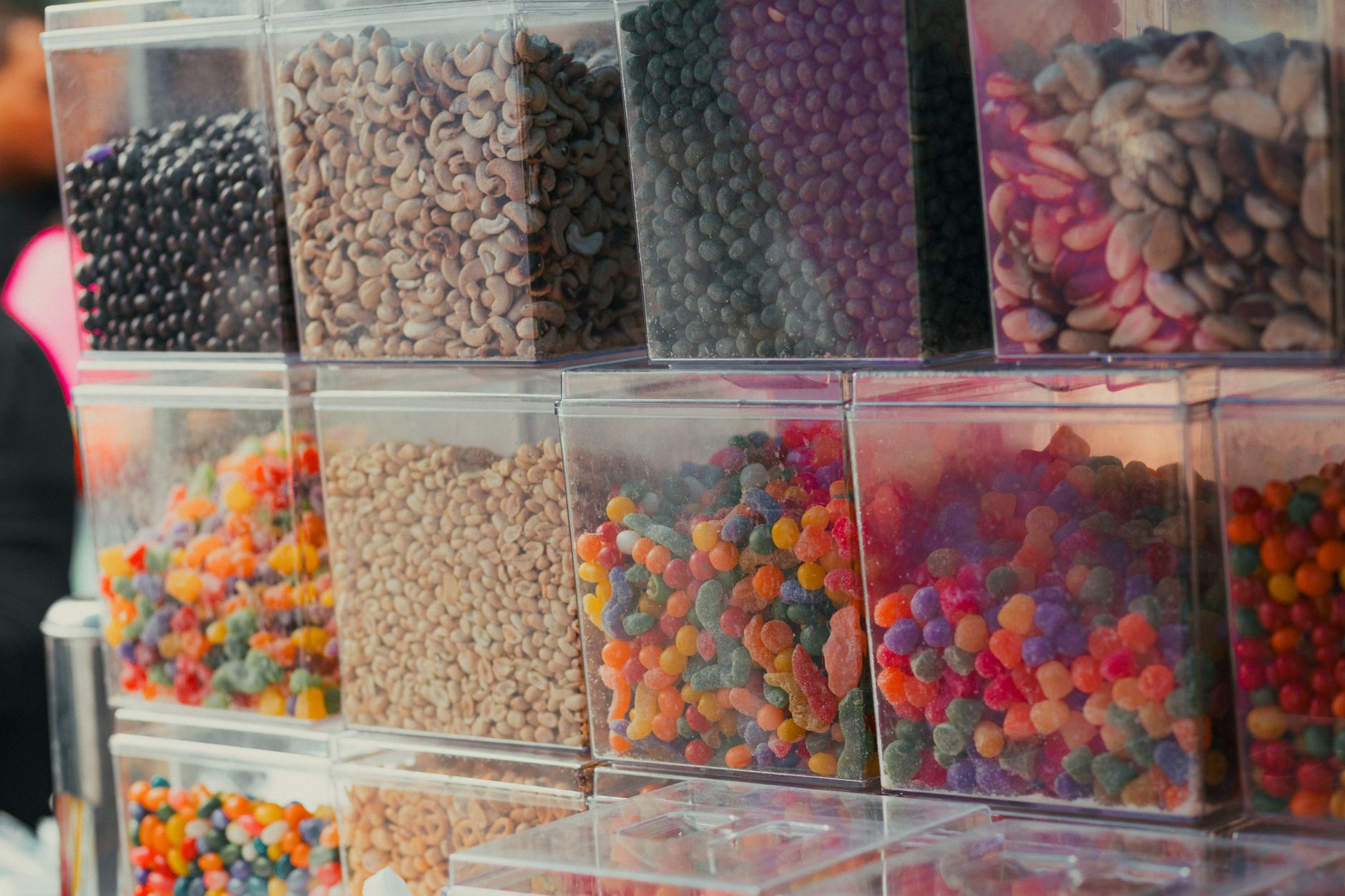
Beyond dairy, the cost of dry fruits and nuts has surged, with some varieties seeing price increases of up to 70% over the past year. Trade data indicates that pistachios have experienced a 60-70% rise in cost, while almonds have become 20-40% more expensive. Importers have attributed these hikes to supply chain disruptions and geopolitical tensions, specifically citing conflicts in the Middle East that have impacted sourcing from countries like Iran and Afghanistan.
The economic strain has also extended to the corporate sector, which is a major driver of business for the sweet and packaging industries during the festival. Reports indicate that rising input and packaging expenses have pushed the price of premium hampers and sweets up by at least 15%. Consequently, many firms across the pharmaceutical, automobile, and FMCG sectors are reducing their gifting lists or opting for smaller, more budget-conscious packages this year.
Official economic data highlights a broader trend of rising food costs. In September, annual retail food inflation reached 7.74%, contributing to a headline inflation figure of 5.54%, which remains near the Reserve Bank of India’s upper tolerance limit of 6%. Specific categories have been hit hard, with sugar prices rising nearly 30% year-on-year in September. Inflation in prepared sweets and confectionery has also accelerated, reflecting the sustained pressure on consumer budgets.
The Reserve Bank of India has expressed caution regarding these broadening price pressures. During a recent monetary policy review, officials noted that inflation is no longer confined to a few sectors, with a larger portion of the consumer basket now recording inflation above 4%. As families and businesses navigate these higher costs, the festive season is being marked by a noticeable shift in spending patterns, with rising prices for staples and delicacies impacting both individual households and corporate traditions alike.








Comments