


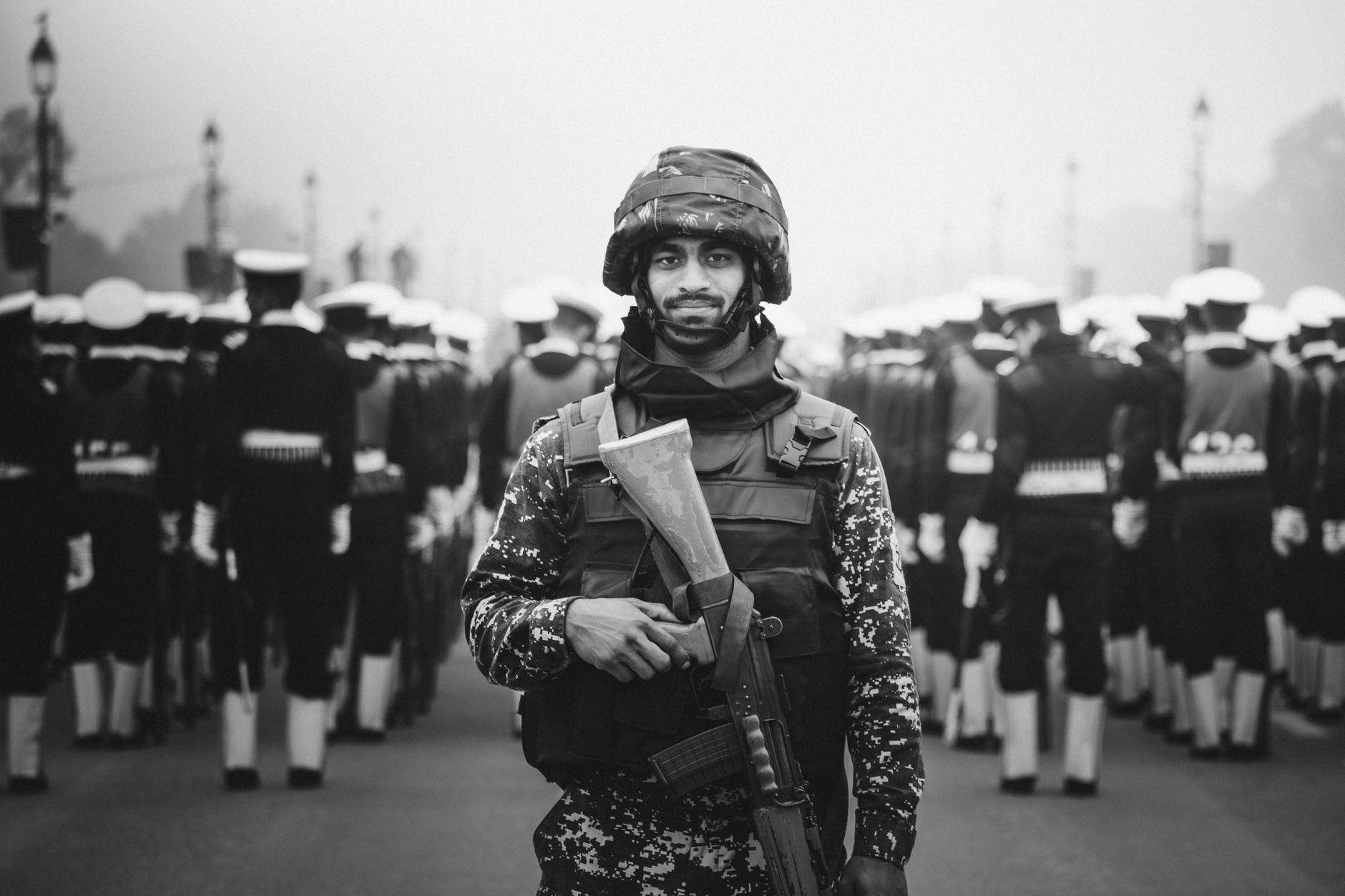
The Ministry of Defence is currently evaluating a potential policy shift that would allow Agniveers to marry during their proposed two-year service extension. Under the existing framework of the Agnipath recruitment scheme, personnel are strictly prohibited from entering into marriage during their initial four-year engagement period. This restriction has been maintained to ensure that recruits remain focused on operational requirements and uphold high standards of military discipline during their foundational training and early service years.
Top defence sources have indicated that while the marriage ban will remain in effect for the first four years of service, military planners are actively assessing family-related aspects for those continuing in uniform beyond that timeframe. The consideration follows the recent government announcement of an optional two-year service extension for those who are not absorbed into the regular cadre following their initial term. By addressing these personal considerations, the Ministry of Defence aims to mitigate apprehension among the families of service members and boost overall retention rates.
The military leadership has acknowledged that the demographic profile of the force necessitates this review. Recruits typically enter the service between the ages of 17.5 and 21. By the time they complete a standard four-year term and enter an extended tenure, many will have reached their mid-to-late twenties. Defence planners believe that creating a more supportive environment during the fifth and sixth years of service will help maintain operational readiness while aligning the individual aspirations of personnel with the broader goals of the armed forces.
This deliberation comes on the heels of a major revision to the recruitment scheme approved by the Union Cabinet. The policy change, which provides a secondary pathway for non-retained personnel to continue serving for up to six years, was formally announced by Chief of Defence Staff General N.S. Raja Subramani. The initiative is being framed by officials as a "Second Tour of Duty," intended to preserve the expertise of trained personnel and ensure the military benefits from their accumulated experience.
Defence Minister Rajnath Singh has previously described the additional two years of service as a significant opportunity for candidates. According to the minister, the reforms are the result of detailed military evaluations focused on maintaining the professional standards of the force while providing stability for those who choose to continue their service. The government remains committed to balancing the rigorous demands of military life with the evolving personal requirements of the soldiers.
Beyond the potential change in marriage rules, personnel who opt for the two-year extension will see several tangible benefits. These include higher monthly remuneration, an enhanced Seva Nidhi package, and cumulative seniority benefits. Furthermore, these individuals will continue to remain eligible for permanent regularisation into the regular cadre, which will be determined by objective performance criteria assessed at the end of their sixth year of service.
As the Ministry of Defence continues to refine these policies, the focus remains on enhancing the effectiveness of the Agnipath model. By evaluating these family-related guidelines, the government hopes to ensure that the transition into longer service periods is as seamless as possible, ultimately fostering a more satisfied and committed force. Further updates regarding the implementation of these rule relaxations are expected as military planners finalise the structural details of the extended service phase.







Comments