


United States President Donald Trump has renewed his campaign to establish permanent daylight saving time, calling upon the Senate to finally approve the Sunshine Protection Act. The President expressed his frustration regarding the current practice of shifting clocks twice a year, arguing that the system has become outdated and inconvenient for the public. His comments, delivered via a post on Truth Social, highlighted the tangible impact of the seasonal time change on the daily lives of Americans.
The central point of Trump's argument rests on the early arrival of darkness during the autumn and winter months. He specifically noted the discomfort of seeing the sun set as early as 5:06 pm, with near-total darkness settling in by 5:31 pm. By ending the biannual ritual of adjusting clocks, the President suggested the nation could enjoy more consistent evening daylight, which he implied would be a welcome change for the populace. He contrasted the current gloomy evenings with the pleasant weather that had been observed only a few days prior.
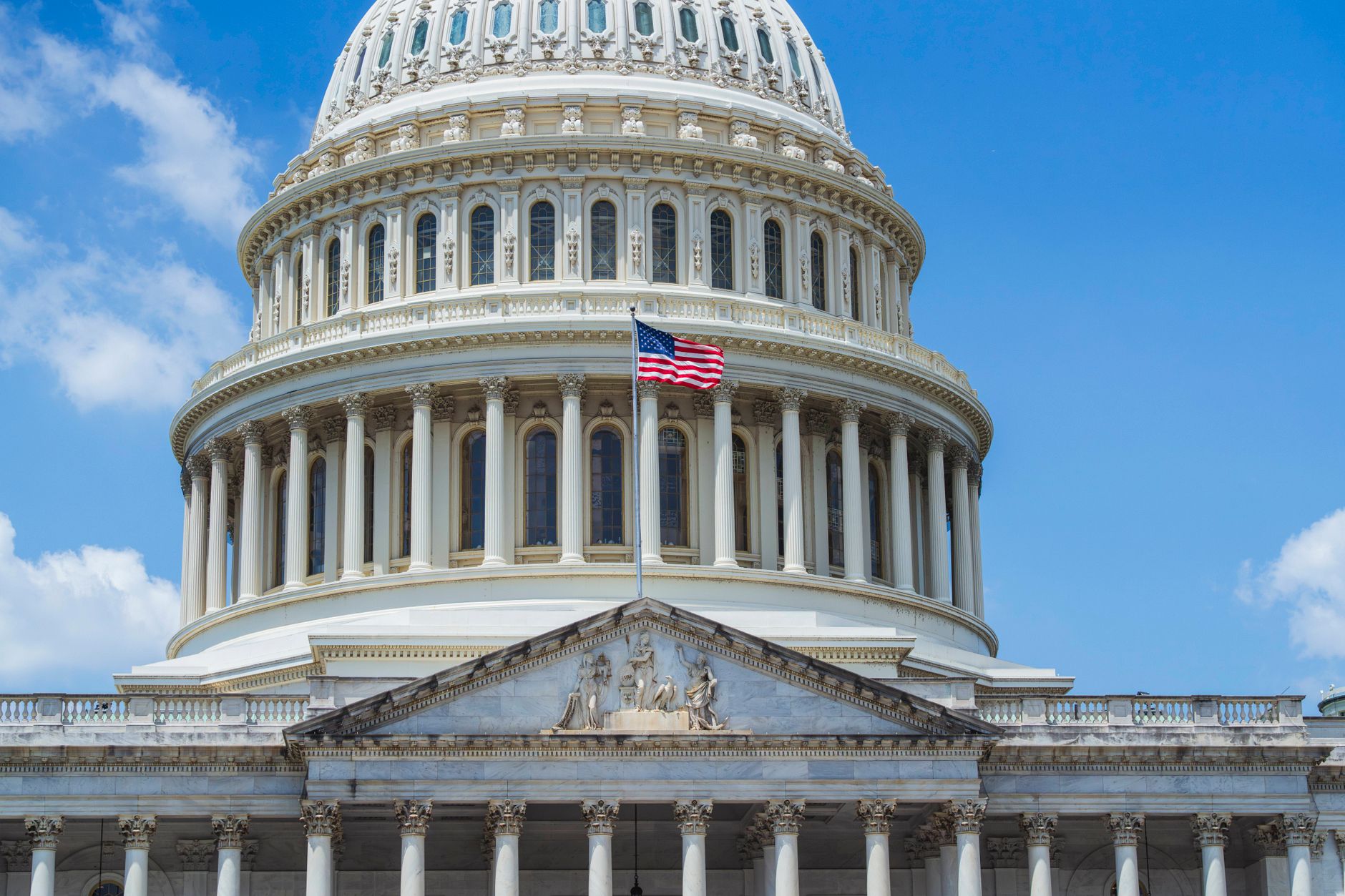
Legislative efforts to lock in daylight saving time have faced significant hurdles in Congress despite earlier signs of progress. Trump pointed out that the House of Representatives had demonstrated strong support for the measure in previous sessions. Specifically, he referenced a notable bipartisan vote of 308-117 in the House, indicating that the proposal has the capacity to draw support from across the political aisle. However, this momentum has consistently stalled when the legislation reaches the Senate, which has thus far declined to take up the bill for a vote.
The President addressed his strategic approach to the issue during his recent remarks, explaining why he had refrained from prioritizing the legislation before the elections. Trump stated that he did not want to place undue pressure on certain senators during their re-election campaigns, fearing that a high-profile fight over the bill could have negatively influenced their electoral prospects. He suggested that he was mindful of avoiding outcomes where senators might have lost their seats in a landslide due to political friction surrounding the bill.
Despite these past tactical considerations, the President affirmed his commitment to pursuing the change in the coming period. He acknowledged that while the country is currently facing far bigger priorities, he intends to keep fighting for the passage of the Sunshine Protection Act. His statement signals that he expects the legislative branch to revisit the proposal as part of the broader national agenda.
The Sunshine Protection Act has been a subject of intermittent debate in Washington for several years. Proponents of the bill argue that making daylight saving time permanent would promote economic activity, improve public health outcomes related to sleep patterns, and reduce energy consumption. Critics and some health experts, however, have historically raised concerns about the potential consequences of permanent daylight saving time, particularly regarding the effects of darker mornings during the winter months on children commuting to school.
As the debate moves forward, the focus remains on whether the Senate will yield to the renewed pressure from the executive branch. The legislative journey of the bill highlights the complexities of passing non-partisan measures that hold significant implications for social and economic routines. For now, citizens across the country will continue to adjust their clocks, waiting to see if federal lawmakers will eventually align with the President's vision for a clock-change-free calendar.








Comments