


In his first public appearance following the Republican Party’s widespread losses in the recent midterm elections, U.S. President Donald Trump shifted his attention toward major infrastructure projects at the White House. Rather than providing a detailed post-mortem on the electoral setback, which saw Democrats gain control of both the Senate and the House of Representatives, the President spent the event showcasing the ongoing construction of a new ballroom on the White House grounds.
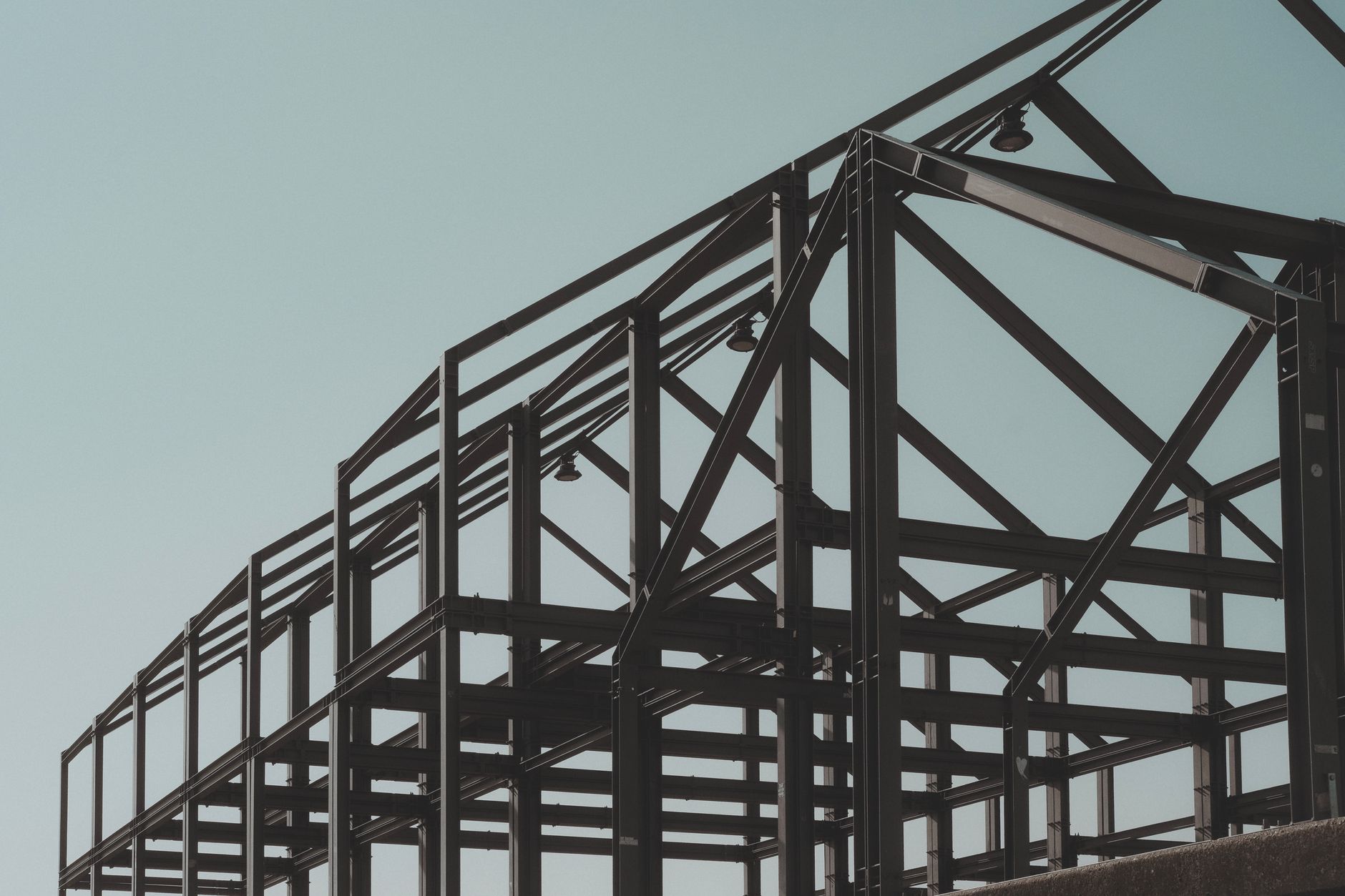
Surrounded by reporters and construction workers, Trump oversaw the preparation of the final steel beam for the ballroom’s roof. He signed the beam, adding the word "Love!" before it was hoisted into place. During the event, the President lauded the project's design and security features, asserting that the new structure would be "one of the most beautiful" ballrooms in the world. He spoke of plans to incorporate marble flooring and Corinthian columns into the interior, describing the development as a "special structure."
The President defended his dedication to these renovation projects amidst political criticism regarding his priorities. Explaining why he invests time in such endeavors, he stated that the White House serves as the "ultimate symbol of America" and must be maintained to the highest standard. "When I get criticized, like, 'Why are you working on the White House?' I'm doing it because the White House is the ultimate symbol of America, and it's got to be pristine, it's got to be perfect. For me it's relaxing," he remarked.
Beyond the ballroom, Trump highlighted several other infrastructure initiatives. These include a new White House helipad, a proposed "Garden of American Heroes" along the Potomac River, and plans for an 18-hole championship golf course at East Potomac Park. These projects remain central to his vision for the executive mansion, despite the shifting political landscape in Washington.
Addressing the midterm results, the President addressed the Republican Party's poor performance, though he explicitly rejected claims that he bore personal responsibility for the outcome. He acknowledged the view held by Vice President JD Vance and others that the U.S. military campaign against Iran played a role in the losses. Trump noted that the conflict contributed to inflation and higher gasoline prices, which negatively impacted voters. "I think it's largely true because it drove the gasoline up a little bit short term," the President said.
Despite these consequences, Trump defended the decision to engage in the military campaign against Iran. He maintained that he would make the same strategic choice again, citing the necessity of preventing Iran from developing nuclear weapons. He appeared unfazed by the prospect of navigating a political environment dominated by Democratic majorities in Congress, stating his expectation to work with them provided they did not act in a "destructive" manner. He further noted that he retains the executive power of the veto.
As the administration moves forward, the President’s focus remains divided between managing the legislative challenges posed by the newly empowered opposition in Congress and continuing his long-term architectural plans for the White House. The upcoming period is expected to test the administration's ability to govern while navigating the heightened tensions resulting from both the election results and ongoing foreign policy engagements.








Comments