


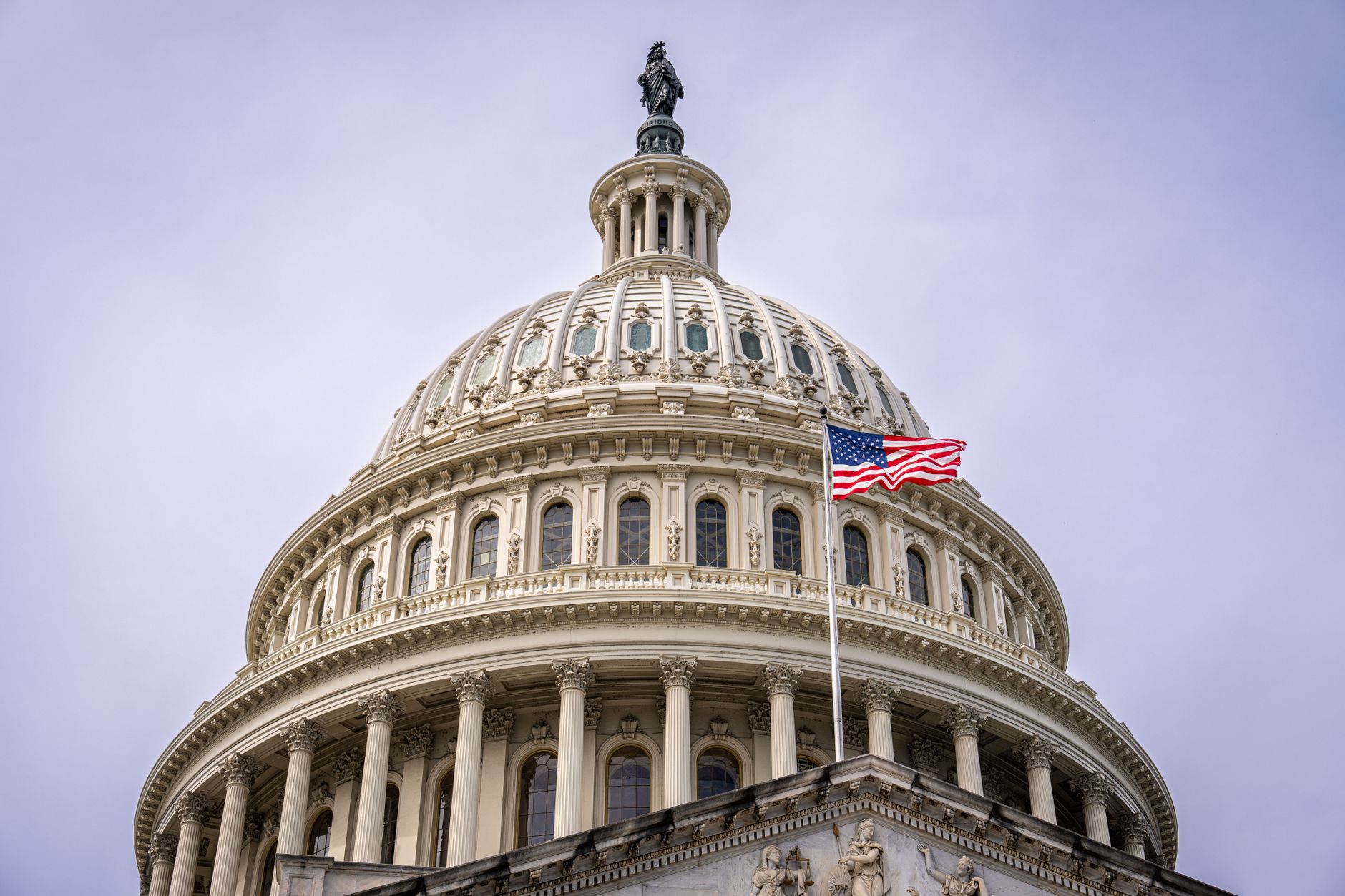
Following the November 3 midterm elections, the United States is poised for a significant shift in legislative power. Democrats are set to control both chambers of Congress beginning in January, a development that will provide the party with substantial authority to challenge the domestic agenda of President Donald Trump. While the President maintains significant control over foreign diplomacy, the incoming Democratic majorities are expected to exert influence over critical international issues that carry weight for India.
A primary concern for New Delhi is the ongoing war in Iran. The conflict has caused significant strain on India’s energy imports, contributed to inflationary pressures, and destabilized a region where nearly 10 million Indian citizens reside. The incoming Democratic majorities have indicated that ending this war is a top priority. While both houses of Congress previously passed a resolution in June directing the administration to halt military action against Iran, the President declined to follow the directive. The party now plans to leverage its control over federal spending to potentially restrict the use of funds for unauthorized military conflicts.
Eddie Bejarano, an Americas analyst at the intelligence service Dragonfly, noted that Democrats are likely to incorporate specific language into future spending bills to prevent the administration from utilizing military funds for such operations. However, experts emphasize that President Trump holds the power to veto any such legislation. Furthermore, reports indicate that US forces in West Asia had been prepared to launch a significant effort in Iran following the midterms, raising questions about whether these military plans will proceed before the new Congress is seated in January.
Trade policy and the imposition of tariffs also remain central themes in the current political transition. Analysts suggest that the potential for change regarding trade barriers remains limited, as President Trump has increasingly relied on trade laws that do not necessitate Congressional approval. Following the Supreme Court’s decision to strike down emergency-powers tariffs earlier in February, the administration shifted its focus to utilizing Section 301 of the Trade Act of 1974.
Additional concerns for India include legislative authorities granted under the Lindsey O Graham Sanctioning Russia and Iran Act, which allows for tariffs of up to 100% on major buyers of Russian energy. Although the White House waived nearly all these measures on October 16, it maintains that it retains the ability to exercise this authority at any time. As the political landscape in Washington shifts, New Delhi continues to monitor whether these administrative powers will be deployed in ways that affect bilateral trade deals or the movement of Indian workers to the United States.
The return of divided government in Washington creates a complex environment for foreign policy. While the White House retains broad latitude, the legislative check provided by a Democratic-controlled Congress will likely force a reassessment of priorities in areas ranging from energy security to trade regulations. For India, the coming months will be defined by how the administration balances these domestic political pressures with its strategic goals in West Asia and its economic relationship with international partners.








Comments