


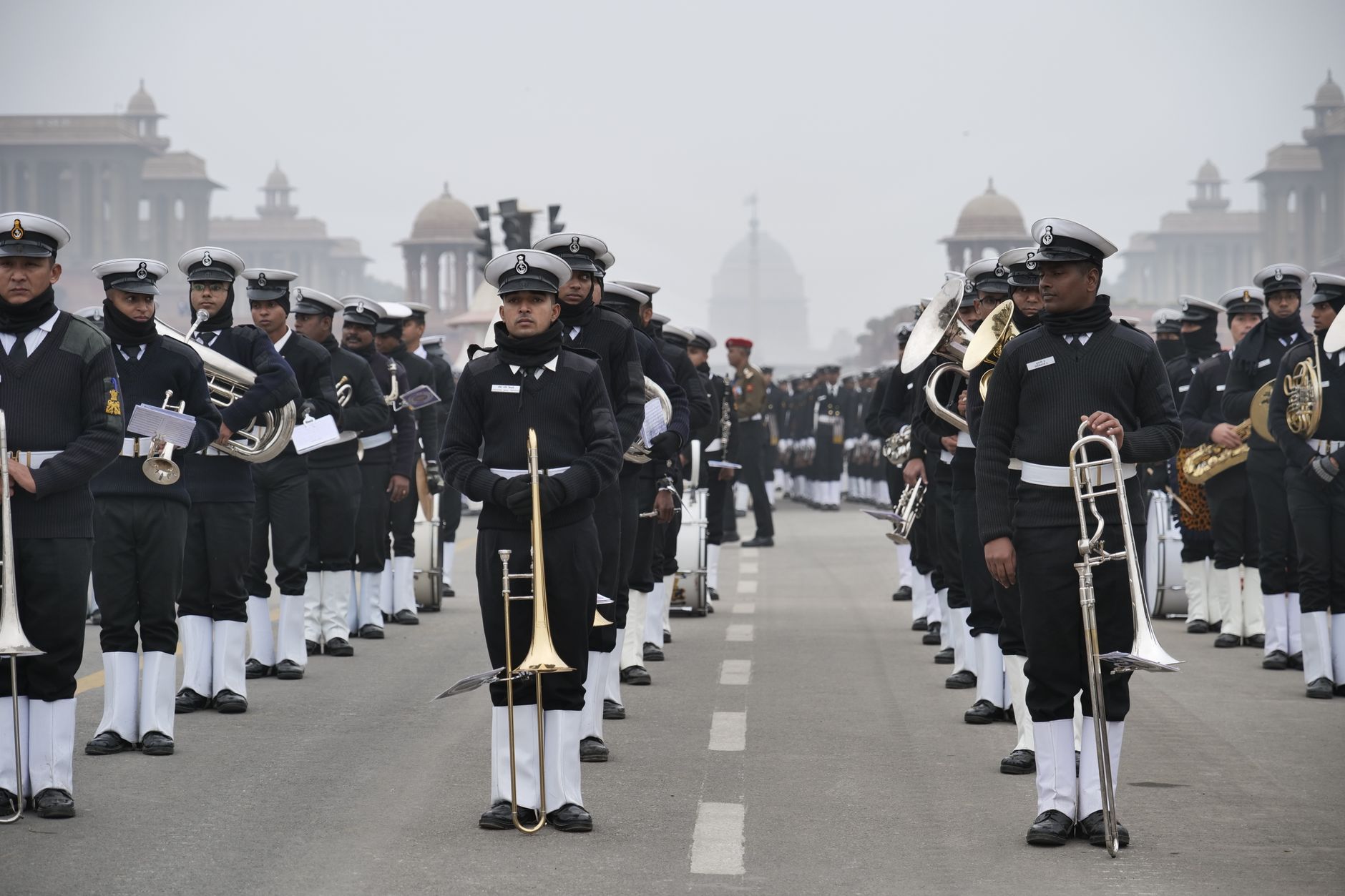
In a significant modification to the Agnipath recruitment scheme, the Union Cabinet announced on Wednesday an expansion of the service period for Agniveers, effectively clearing the path for their long-term integration into the armed forces as regular soldiers. The updated policy extends the service tenure from four years to six, offering those who meet specific merit and selection criteria the opportunity to transition into permanent military service.
Defence Minister Rajnath Singh described the policy shift as a continuation of long-term structural reforms aimed at developing a force that is younger, fitter, and better prepared for the evolving nature of modern, technology-driven warfare. The decision arrives ahead of the scheduled exit for the first batch of 18,300 Agniveers, whose initial four-year contracts were nearing completion. Without this intervention, these personnel would have concluded their service between November and December of this year.
Under the revised framework, the recruitment process retains its initial evaluation phase. As previously envisaged, 25 percent of Agniveers will be considered for regular employment based on their performance during the first four years. For the remaining 75 percent, the government has introduced a mandatory "second tour of duty," extending their engagement by two additional years. Upon the completion of this six-year tenure, all personnel will be eligible for enrollment as regular soldiers, provided they meet objective standards regarding physical fitness, vigilance, and discipline records.
Chief of Defence Staff (CDS) General N.S. Raja Subramani, speaking alongside Information and Broadcasting Minister Ashwini Vaishnaw, noted that the government has always maintained that the Agnipath scheme was not "cast in stone." The military leadership had been evaluating the performance of initial recruits for several months before recommending the current structural changes to the Cabinet. The CDS highlighted that Agniveers have already demonstrated capability in the field, including deployments in forward areas and service on aircraft carriers such as the INS Vikrant and INS Vikramaditya.
Financial provisions have also been adjusted to reflect the extended service duration. During the additional fifth and sixth years of service, the monthly remuneration for the remaining 75 percent of Agniveers will increase to Rs 43,500 and Rs 47,500, respectively. For those who opt not to continue their service after the initial four-year term, the government will provide the Seva Nidhi package, which encompasses the recruit’s monthly contributions, the government’s matching share, and accrued interest.
The Agnipath scheme was originally launched in June 2022 against the backdrop of the Covid-19 pandemic, with the government citing the need to reduce the escalating salary and pension bill to allow for greater investment in weapon modernization. While the initiative faced criticism regarding its short-tenure structure, the government stated that recent increases in defence allocations and revenue from exports have provided the fiscal flexibility necessary to accommodate the absorption of these personnel.
Looking ahead, the military leadership has addressed concerns regarding the integration of these batches into the regular armed forces, stating there will be no obstacles to achieving cohesion. The decision to allow all willing and eligible Agniveers to transition into regular ranks is expected to resolve concerns regarding career security while ensuring the military remains equipped with a technologically adept, youthful workforce prepared for future national security challenges.







Comments