


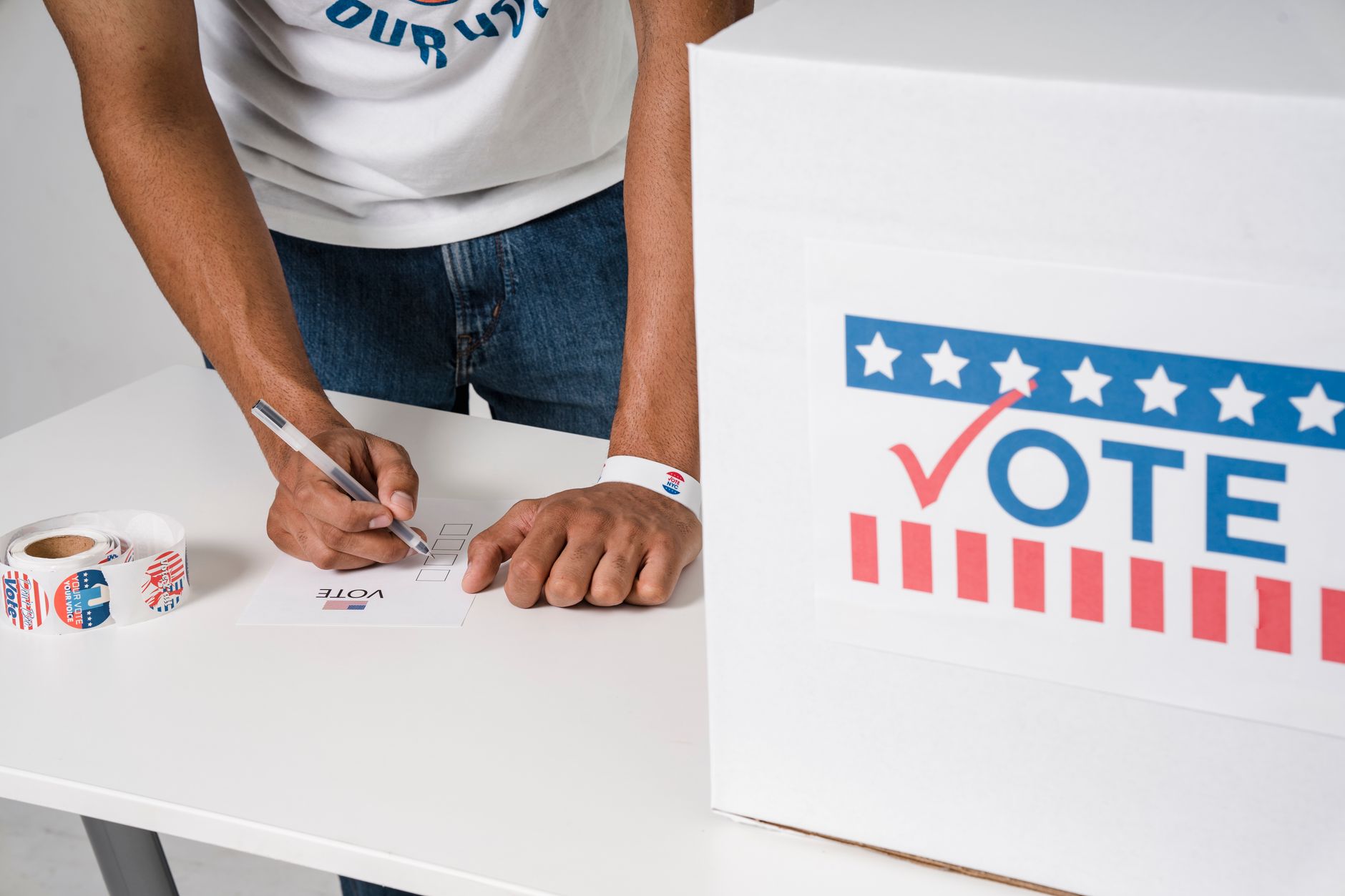
In a significant political realignment, Democrat Adam Hamilton has secured a US Senate seat in Kansas, becoming the first member of his party to achieve this feat in nearly a century. According to projections by the Associated Press, Hamilton defeated the incumbent Republican, Roger Marshall, in a contest that was widely viewed as consequential for the balance of power within the US Senate.
The victory marks a historic milestone for Kansas, a state that has not sent a Democrat to the Senate since 1932. Political observers have expressed surprise at the result, given the state’s entrenched history of Republican dominance. The campaign, which concluded on November 3, 2026, saw an unprecedented level of financial investment, with the Associated Press reporting that the contest was the most expensive in Kansas history, totaling approximately $110 million.
Hamilton, who serves as a Methodist pastor and is known as the founder of the nation's largest United Methodist church, framed his campaign around both faith and economic concerns. Throughout the race, he focused on addressing issues of affordability, resonating with voters in rural areas of Kansas that have faced significant challenges due to rising fuel and diesel costs. In comments made on the eve of the election, Hamilton stated, “We’re always told to not talk about politics or religion but this is one time we’re trying to save our democracy. The next two years are a pivotal time for our country.”
The incumbent, Roger Marshall, ran a campaign closely aligned with former US President Donald Trump, who actively campaigned on his behalf. Marshall, a physician by profession, emphasized his support for the Trump agenda, including the 'Make America Healthy Again' policy platform. However, his tenure and campaign faced scrutiny. Critics argued that his support for these policies undermined public health, specifically noting his past opposition to pandemic-era mask mandates.
Further complicating the Republican campaign were allegations regarding Marshall’s past professional conduct. Reports, including one from The New York Times, highlighted that Marshall had initiated lawsuits against approximately 700 of his former patients for medical debt incurred during his medical practice. Hamilton’s campaign integrated these findings into their advertising, casting doubt on Marshall’s stated commitment to expanding rural healthcare access, noting that Marshall had previously supported funding cuts to such services.
The race remained highly competitive until the final tally, reflecting a broader national trend of intense focus on the US Senate midterms. As the results were confirmed at a hotel in Overland Park, the outcome signaled a shift in the political landscape of the rural state, which has been grappling with shifts in its agricultural and transportation sectors. The high expenditure and the unconventional nature of the candidates highlighted the intensity with which both parties approached the Kansas contest.
As Adam Hamilton prepares to take office, the result serves as a reminder of the evolving electoral dynamics in states previously considered reliably partisan. The implications for the Senate’s legislative agenda remain to be seen, as the incoming senator transitions from his role as a pastor to his new responsibilities in Washington. For Kansas, the election represents a profound departure from the political norms that have governed the state for over nine decades.








Comments