


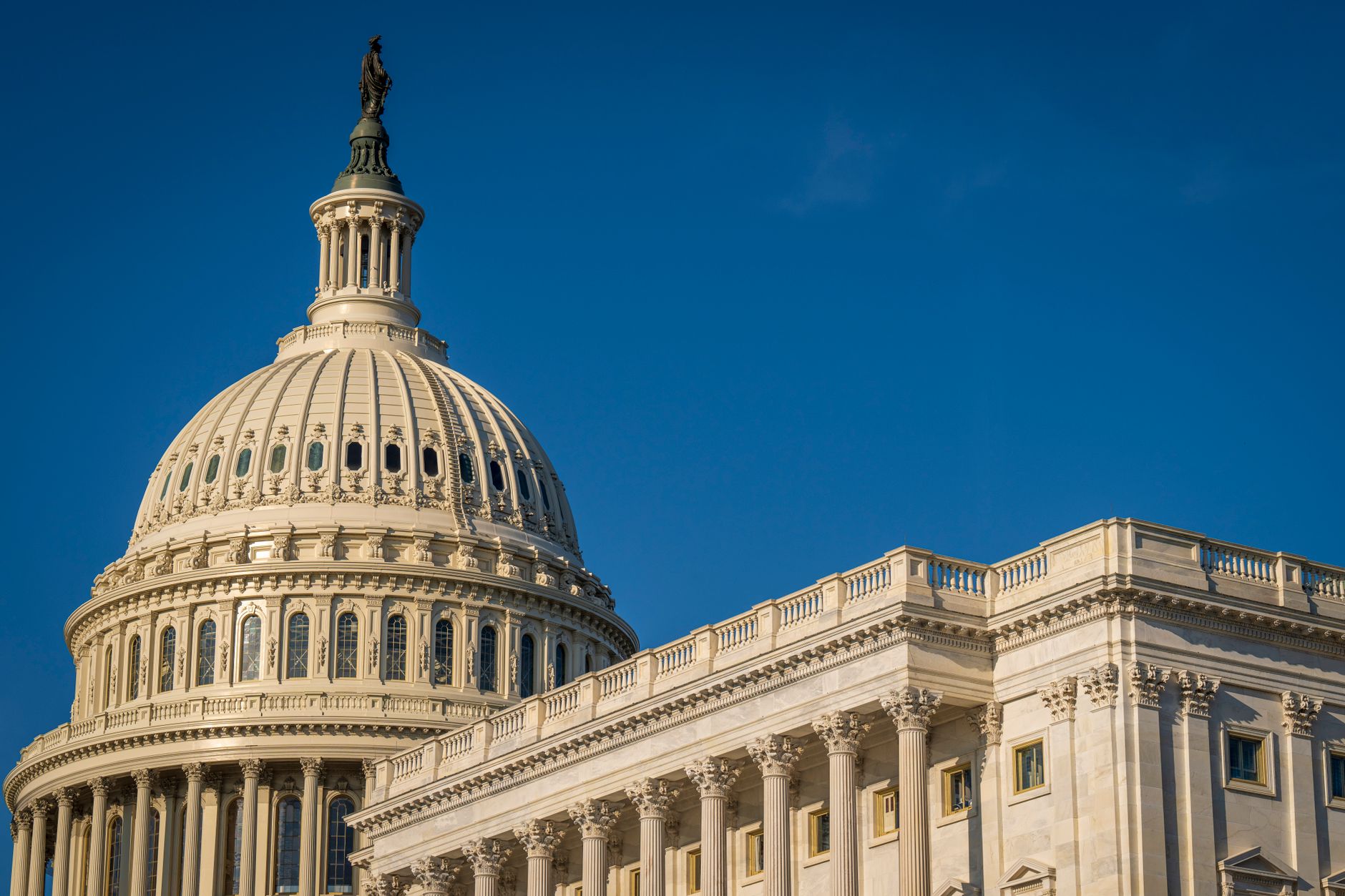
The United States midterm elections have ushered in a significant wave of historic firsts, with voters choosing a diverse slate of candidates from underrepresented communities. Among the most notable outcomes reported, Democrat Chris Pappas achieved a historic milestone by winning his U.S. Senate race in New Hampshire, becoming the first openly gay male senator in the country's history.
Beyond this individual achievement, several other races remain in focus as the nation anticipates results that could further reshape the political landscape. These contests include potential breakthroughs for Native American, Black, and Muslim candidates seeking office at the gubernatorial and federal levels. While some candidates have chosen to emphasize their policy platforms over their personal backgrounds, advocates for voters' rights view these candidacies as a meaningful expansion of representation in American democracy.
Alexis Anderson-Reed, president and CEO of State Voices, noted that these results signify a changing nation. She emphasized that the progress observed in these elections is the product of sustained organizing, door-to-door campaigning, and civic engagement efforts led by people of color and LGBTQ communities over many years.
Among the high-profile races, Democrat Deb Haaland is currently positioned to potentially become the first Native American woman to serve as a state governor. Currently serving as the U.S. Secretary of the Interior, Haaland is contesting the New Mexico gubernatorial election against Republican Gregg Hull. Haaland has previously broken political barriers, serving as one of the first two Native American women elected to Congress in 2018.
The Senate could also see its first Native women senators if Mary Peltola in Alaska or Minnesota Lieutenant Governor Peggy Flanagan secure their respective seats. Peltola, a Yup’ik Democrat and former congresswoman, is challenging Republican incumbent Senator Dan Sullivan. Meanwhile, Flanagan, a citizen of the White Earth Band of Ojibwe, is facing Republican Michele Tafoya. Notably, should Tafoya prevail, she would also make history as the first Republican of Latina heritage to serve in the U.S. Senate.
Statehouse history is also at stake in the race for governor in Georgia, where Democrat Keisha Lance Bottoms, the former mayor of Atlanta, is running against Republican Rick Jackson. If successful, Bottoms would be the first Black woman to serve as a state governor in the United States, and the first governor of color for the state of Georgia. Additionally, Minnesota is guaranteed to elect its first female governor, with the race featuring Republican Lisa Demuth against longtime U.S. Senator Amy Klobuchar.
In Michigan, the race for a U.S. Senate seat features Democrat Abdul El-Sayed, who is vying to become the first Muslim American to serve in the U.S. Senate. The contest against Republican Mike Rogers has been marked by intense competition and political rhetoric regarding El-Sayed’s background, which the candidate and his supporters have actively denounced. These races reflect a broader trend in the 2026 midterms, showcasing a historically diverse group of candidates from both major political parties competing for seats at the highest levels of government.








Comments