


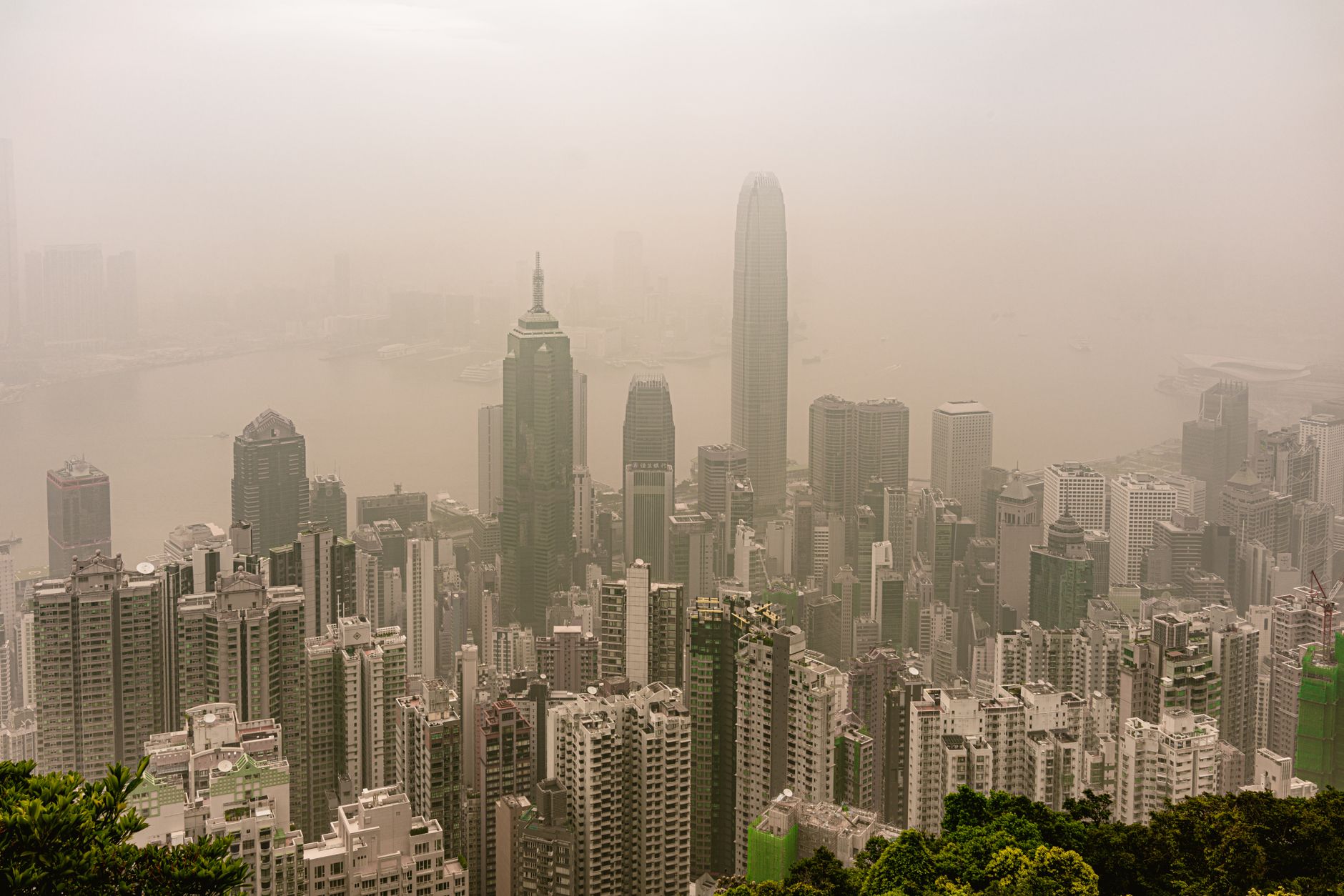
In an urgent effort to mitigate the hazardous air quality currently blanketing the National Capital Region, the Gurugram district administration has announced a series of stringent anti-pollution measures set to take effect tomorrow. Following formal directives issued by the Commission for Air Quality Management (CAQM), local authorities have mandated that both private and government offices implement a 50 percent work-from-home policy for their staff. This move is designed to significantly reduce traffic congestion on major arterial roads, thereby lowering vehicular emissions that contribute to the thick, toxic smog plaguing the area.
Alongside the reduction in office occupancy, the administration has ordered a complete halt to all non-essential construction and demolition activities across the district. This suspension includes projects that typically generate significant amounts of dust and particulate matter, such as road construction, flyover repairs, and private infrastructure development. Officials have clarified that these measures are non-negotiable and must be strictly enforced to comply with the Graded Response Action Plan (GRAP) protocols currently being monitored at the federal level.
The deteriorating air quality in Gurugram has been a growing concern for health officials and residents alike. Meteorological data indicates that calm wind conditions and dropping temperatures have prevented the dispersal of pollutants, trapping particulate matter near the ground. By limiting the number of commuters traveling to work and curbing dust-heavy construction sites, the district administration hopes to achieve a measurable improvement in the Air Quality Index (AQI) levels over the coming days.
This is not the first time such measures have been introduced, as the region frequently grapples with seasonal pollution spikes caused by a combination of stubble burning in neighboring states, vehicle exhaust, and construction dust. However, the enforcement of a 50 percent work-from-home mandate represents one of the most significant interventions taken by the local government this season. The mandate applies to a broad cross-section of the corporate sector, which is heavily concentrated in the city’s commercial hubs.
While essential services, including healthcare, police, and sanitation, are exempt from these restrictions, the administration has urged other sectors to transition to remote operations immediately. Companies that fail to comply with these directives could face potential oversight or penalties as authorities ramp up monitoring. Local transport agencies have also been alerted to prepare for reduced ridership as a large portion of the workforce shifts to residential work setups.
Public health experts have welcomed the move, noting that the exposure to high concentrations of PM2.5 and PM10 particles poses significant risks, particularly to children, the elderly, and those with pre-existing respiratory conditions. Hospitals in the city have already reported a noticeable increase in patients seeking treatment for breathing difficulties and eye irritation, reinforcing the need for immediate, decisive action to curb pollutant sources.
What happens next remains dependent on weather conditions and the overall improvement of the air quality index. The administration has indicated that these restrictions will remain in place until the Commission for Air Quality Management reviews the situation and determines it is safe to lift the curbs. Residents are encouraged to monitor local updates for any extensions or modifications to these orders, as the battle against the city's seasonal smog continues. Further meetings between district officials and pollution control boards are expected later this week to assess the efficacy of these emergency measures.








Comments