


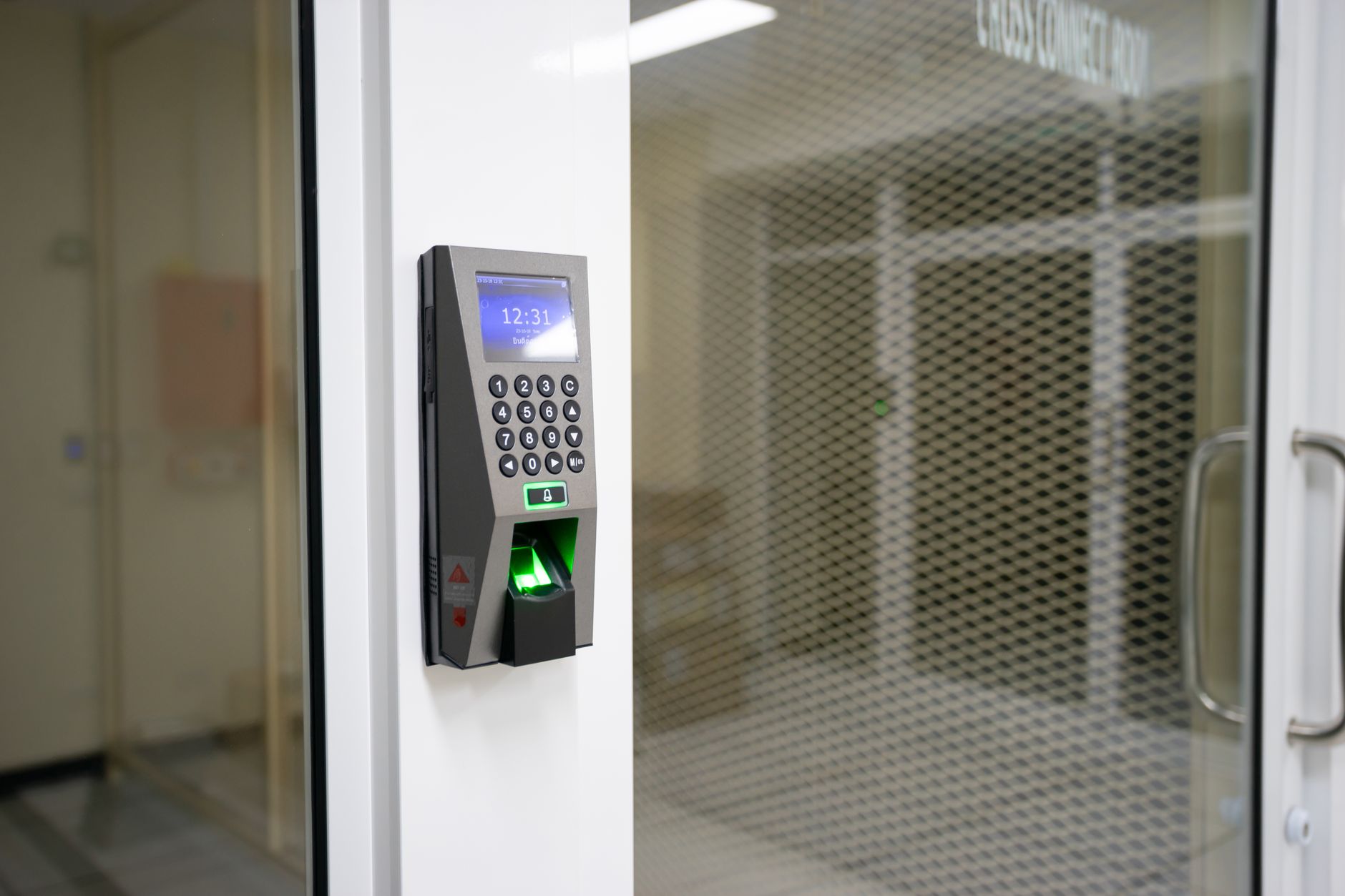
Union Minister Rajiv Ranjan Singh has announced a significant shift in how the government processes payments for beneficiaries under its various schemes. The minister, who holds the portfolios of Panchayati Raj, Fisheries, Animal Husbandry and Dairying, stated that the reliance on Aadhaar numbers for financial transfers is set to be replaced by a system utilizing biometric authentication and voter ID, or Elector’s Photo Identity Card (EPIC), numbers.
Mr. Singh disclosed this proposed change during the National Workshop on People’s Plan Campaign 2026-27, which was hosted by the Ministry of Panchayati Raj last Friday. Emphasizing the rationale behind this move, the minister remarked that the ubiquity of Aadhaar-enrolment centres, which can issue cards in a matter of minutes, had made the document less suitable as a standalone basis for payment authentication.
Addressing the participants at the workshop, the minister stated in Hindi that the Aadhaar card would no longer serve as the foundation for payments. He noted that the new framework would focus on the unique biometric profiles and the EPIC numbers of beneficiaries to ensure accurate and secure processing of funds. However, the minister did not provide further specifics regarding which particular schemes would transition to this system or the timeline for the implementation of the new directive.
While the Ministry of Panchayati Raj does not currently oversee schemes involving direct cash transfers to individual bank accounts, several programs under the Ministry of Fisheries, Animal Husbandry and Dairying do rely on Aadhaar authentication. For instance, the National Livestock Mission Entrepreneurship Development Programme, managed by the Department of Animal Husbandry and Dairying, explicitly requires beneficiaries to provide proof of Aadhaar possession or undergo mandatory authentication to receive benefits.
Furthermore, Aadhaar-seeded bank accounts are presently a standard requirement for a wide array of central government schemes. These include the rural job guarantee programme, the PM-Kisan scheme, the Pradhan Mantri Awaas Yojana (Gramin), and various social assistance programs, such as pensions for the elderly, widows, and persons with disabilities. The transition to a voter ID and biometric-based system represents a potential departure from the current established procedures for these nationwide welfare initiatives.
During the same workshop, Minister Singh also focused on the broader objectives of strengthening local governance. He advocated for the active participation of all relevant stakeholders in the government’s vision for "Atmanirbhar Panchayats" (self-reliant panchayats) and "Viksit Panchayats" (developed panchayats). He underscored the necessity for Gram Panchayats to improve their own-source revenue generation capabilities, stating that such financial health would be a crucial factor in their eligibility for receiving performance-based grants from the central government.
As the government moves toward this new identification model, the implications for the existing digital infrastructure and the millions of citizens currently enrolled in Aadhaar-linked welfare programs remain to be seen. The minister’s remarks indicate a policy shift that prioritizes voter identity and biometrics, though the administrative details regarding how these systems will be integrated into the existing banking and financial infrastructure have yet to be clarified by the ministry.








Comments