


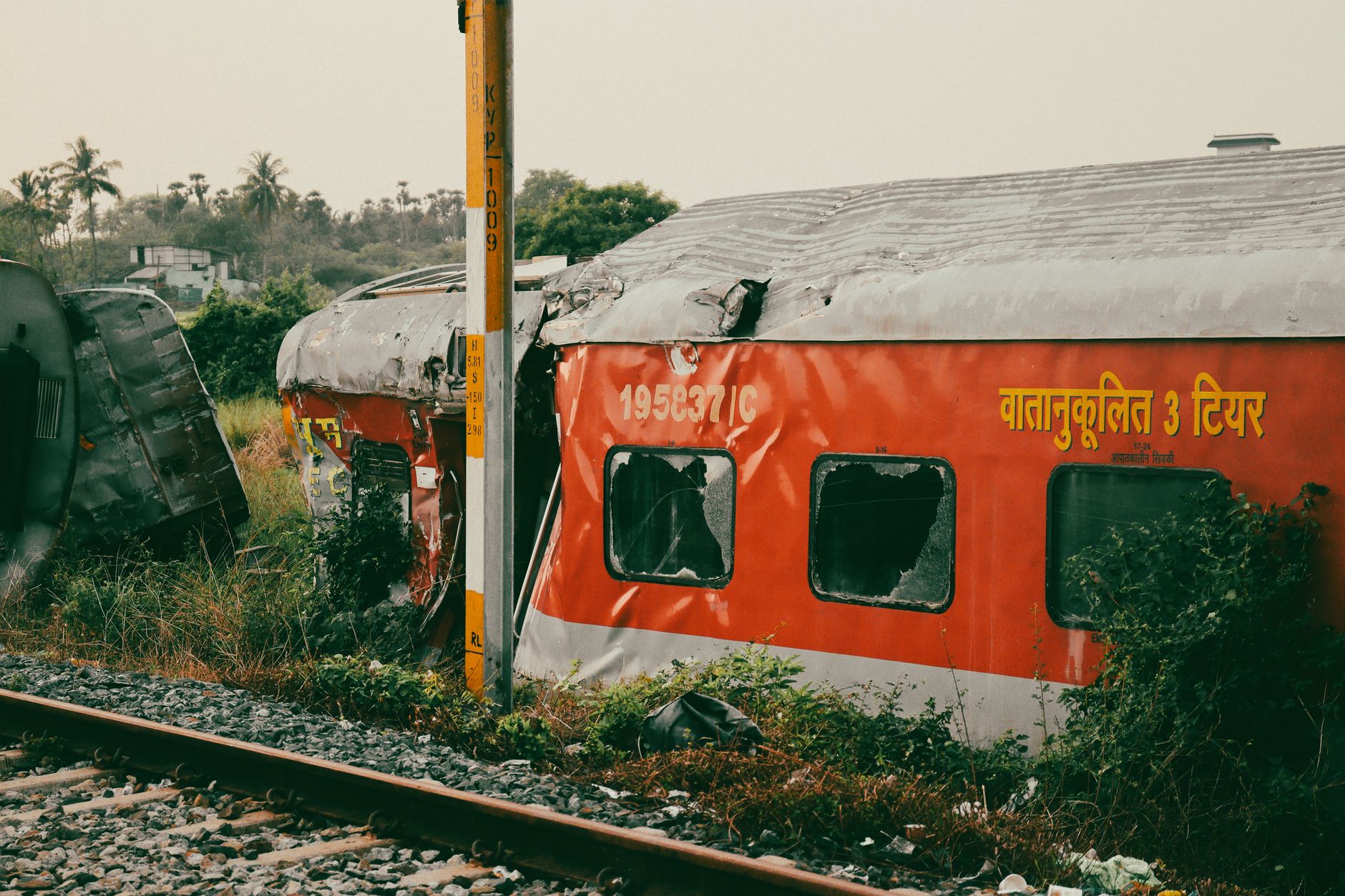
Spain's Transport Minister, Óscar Puente, announced his resignation on Tuesday, just six days after a catastrophic high-speed train collision south of Madrid resulted in the deaths of 69 people. The minister made the formal declaration while appearing before lawmakers to address the circumstances surrounding the tragedy. This incident marks the second fatal collision on Spain’s expansive high-speed rail network within the current year, prompting intense scrutiny regarding national infrastructure safety.
During his address, Puente framed his departure as a necessary step for maintaining the integrity of his office. He told lawmakers that a transport minister in a country such as Spain could not remain in his position following two major accidents in less than a single year. According to Puente, the decision was driven by a sense of political dignity, coherence, and empathy toward the victims and their grieving families. His resignation comes at a politically sensitive time, occurring only four weeks before the country is set to hold a national election.
The fatal collision occurred on October 28 on the Madrid-Seville line. Preliminary information suggests that the disaster was triggered by the failure of a critical communication system essential for the network's security operations. Reports indicate that following the system failure, central controllers in Madrid assumed responsibility for managing train movements. In a critical error, they authorized one train to proceed along the tracks despite the presence of a stationary train ahead, leading to the high-speed impact.
This latest tragedy has reignited public and political debate concerning the safety standards of Spain's rail infrastructure. The nation has long prided itself on its high-speed rail network, which is the second-largest in the world, surpassed only by China’s. For over three decades since its inception, the system had operated without a single deadly crash. However, the recent series of events has challenged this legacy, leading to widespread calls for reform and greater accountability.
The October accident follows a similar incident that occurred earlier this year. In January, another derailment on the same Madrid-Seville route resulted in a collision with a train traveling in the opposite direction, claiming the lives of 46 people. That earlier investigation remains ongoing, adding pressure on the administration to explain why two such disasters were allowed to occur on a high-speed line within months of each other.
Prior to confirming his resignation, Puente outlined new safety measures that the government intends to implement across the rail network. These proposed changes include a major upgrade to the operational conditions within central control centers. Furthermore, the government aims to accelerate the deployment of the standardized European Rail Traffic Management System, an advanced safety and signaling framework intended to prevent human error and equipment failures in the future.
As the government navigates the aftermath of the October 28 crash and prepares for the upcoming national election, the focus remains on restoring public confidence in the transport system. The resignation of the minister serves as a significant turning point in the ongoing investigations into the rail network’s operational failures and the systemic issues that allowed for these two high-speed collisions to occur.








Comments