


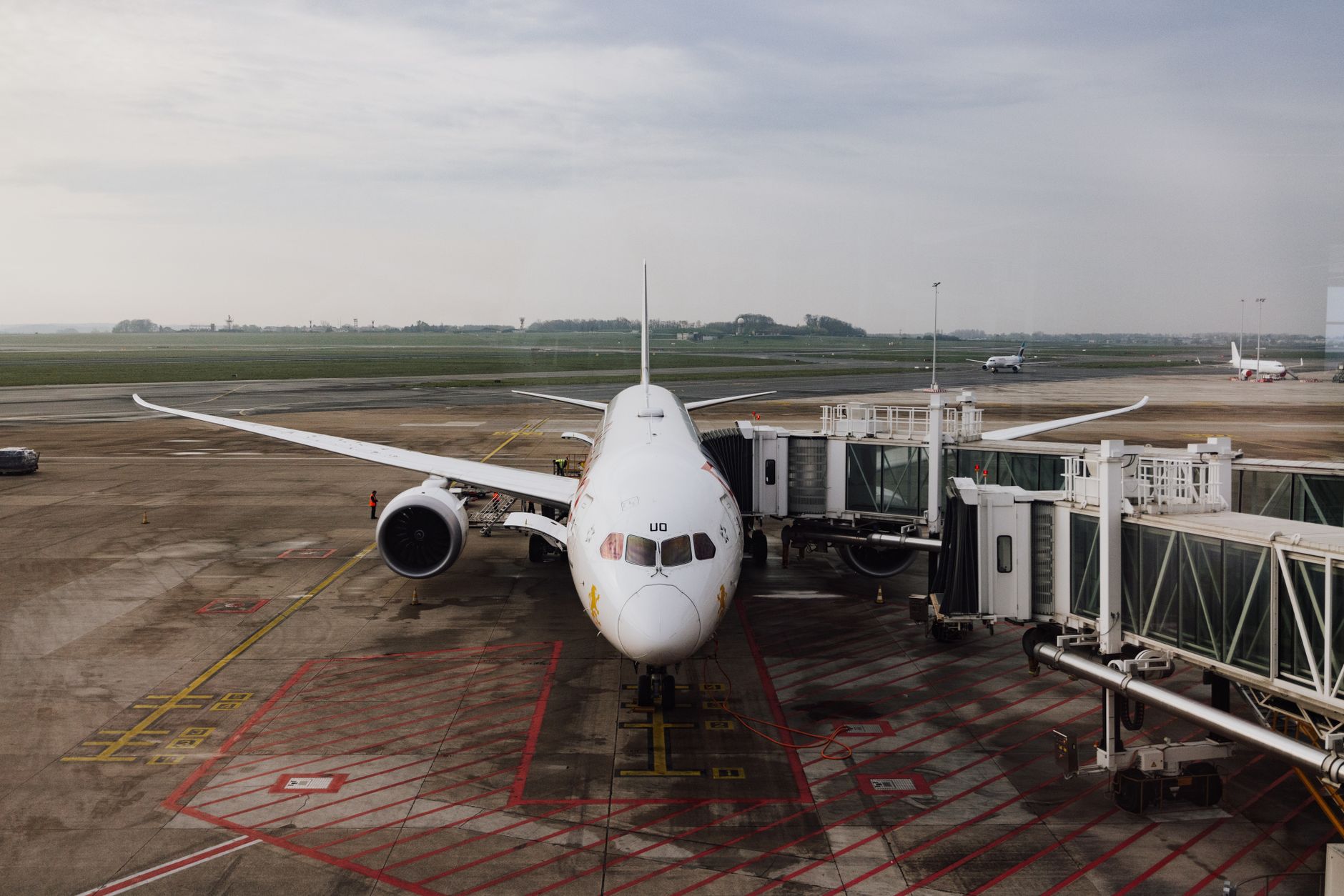
Air India is currently evaluating a fresh order for additional wide-body aircraft as part of a strategic push to reclaim market share from international competitors. During his first public outline of plans for the carrier at the Aviation India 2026 conference on Tuesday, Air India CEO Tewolde Gebremariam stated that the airline has long "punched below its weight" and is now working to rectify this standing.
While acknowledging that the airline faces significant short-term challenges, including recent financial struggles, Mr. Gebremariam expressed optimism regarding the long-term outlook. The carrier reported a record loss of Rs 22,238 crore in the last fiscal year. Furthermore, since the takeover by Tata Sons in January 2022, the airline group—which includes Air India Express—has recorded total losses exceeding Rs 58,000 crore. These figures have reportedly prompted concern among stakeholders, including Tata Sons and Singapore Airlines, with the airline seeking further capital infusion to stabilize operations.
To address these financial headwinds, management is implementing a series of cost-reduction initiatives. Mr. Gebremariam explained that the airline has established multi-functional teams tasked with improving operational efficiency. A core component of this strategy involves increasing synergy between Air India and its subsidiary, Air India Express, to share common functions and reduce overall unit costs to align with industry standards.
Network strategy is also undergoing a significant overhaul. The ongoing closure of Pakistani airspace, which impacts flight paths between the West and Delhi, has necessitated a "rebalancing" of the hub network. As part of this adjustment, the airline is increasing service frequencies to the West from Mumbai, while simultaneously expanding operations to South and Southeast Asia from Delhi. Additionally, the leadership is exploring the feasibility of establishing Bengaluru as a third major hub for the group.
Currently, the Air India group has approximately 600 aircraft on order from Airbus and Boeing, though only 80 of these are wide-body models. Mr. Gebremariam highlighted that while the existing fleet is substantial, there is an evident need for more wide-body capacity to serve the growing demand from the global Indian diaspora and international travelers. He noted that India possesses the potential to build global hubs in Delhi, Mumbai, Hyderabad, and Bengaluru.
The CEO emphasized that the path to recovery involves balancing the navigation of current industry headwinds with a long-term vision for growth. While he did not disclose specific numbers regarding the potential new aircraft order, he underscored the necessity of providing the "right product" to win back passengers. Mr. Gebremariam stated that regaining market share is a central priority for the airline under its current ownership.
Despite the competitive pressures and geopolitical complexities, the leadership remains focused on turning the airline toward profitability. Mr. Gebremariam suggested that by concentrating on revenue growth and cost efficiency, the airline could become profitable "very soon." The strategy is designed to ensure that the carrier grows to meet the expectations of its promoters and the broader aviation market.








Comments