


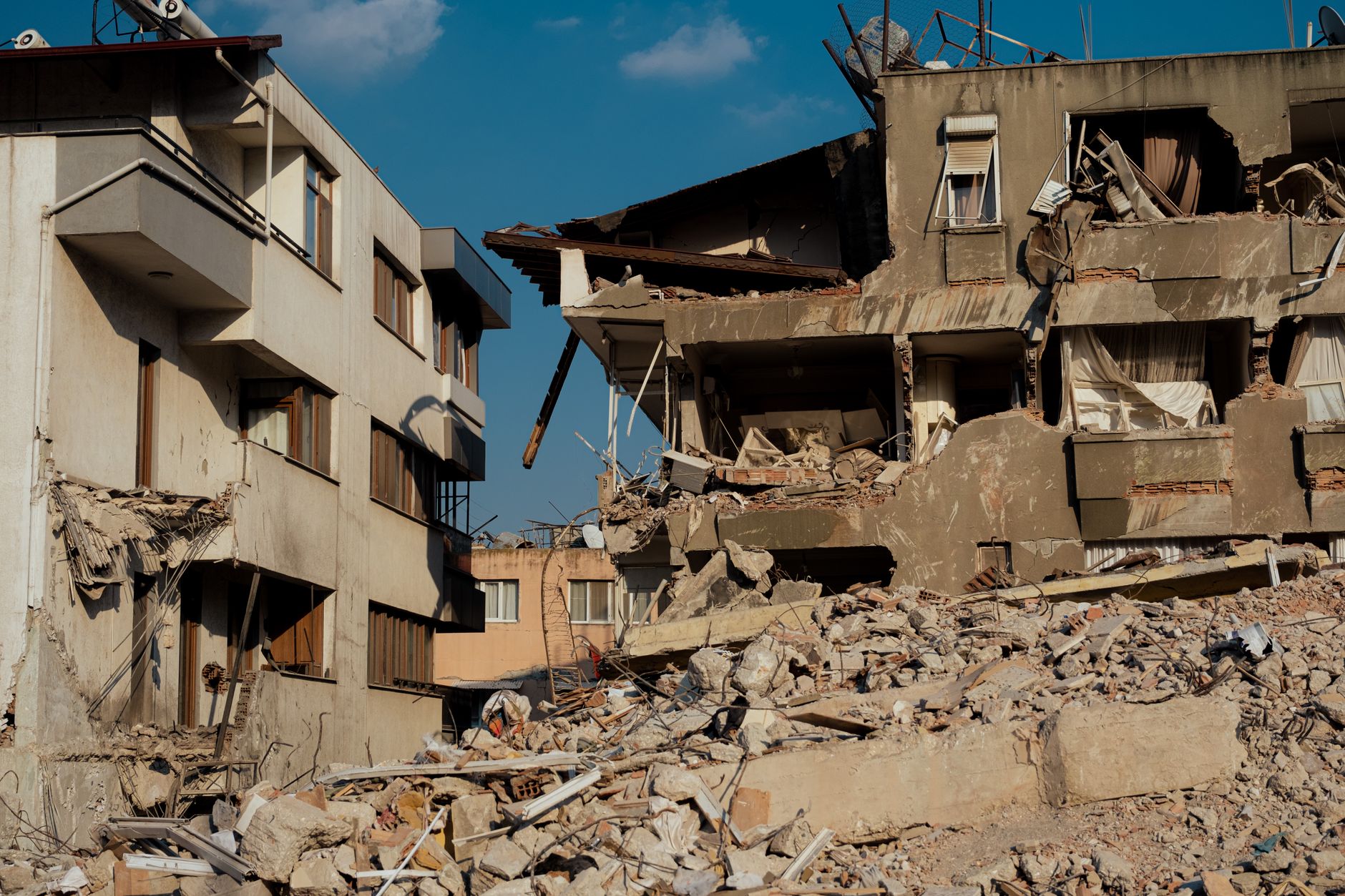
A series of Russian aerial strikes over the last 24 hours has resulted in at least 38 civilian deaths across Ukraine, hitting critical infrastructure and humanitarian facilities. The deadliest incident occurred in the southern Zaporizhzhia region, where a glide bomb attack struck a school in the village of Komyshuvakha that was being used as an aid distribution centre. Local authorities reported that at least 33 people were killed in the incident, which occurred while residents were gathered to receive humanitarian assistance.
President Volodymyr Zelensky described the strike as one of the largest mass killings orchestrated by Russia since the beginning of the war. Regional head Mykhailo Semikin noted that the scale of the tragedy is difficult to comprehend, as the roof of the building collapsed while people had sought refuge underground. While Russia’s defence ministry claimed the target was a Ukrainian military unit, reports indicate there were no major military or industrial facilities at the location. The UN human rights monitoring mission suggested the attack on a publicly identified aid site likely violated international humanitarian law.
Further north, in the city of Dnipro, a missile strike destroyed a hospice, forcing the evacuation of nearly 50 terminally ill patients, some of whom were elderly. Mayor Boris Filatov highlighted the impact on vulnerable civilians, sharing images of the damaged facility to underscore the civilian toll. Additionally, a hospital was hit in the north-eastern city of Kharkiv, where authorities reported 73 people were wounded, the majority of whom were elderly patients. Another five people were killed in separate drone and aerial strikes across the eastern Donetsk region.
The strikes also targeted energy infrastructure in nine regions, leading to severe disruptions in essential services. In the capital, Kyiv, the water supply was entirely cut off, and the metro network was suspended as Mayor Vitali Klitschko described the energy situation as becoming very difficult. These attacks coincide with a period where the United Nations has reported record levels of civilian casualties, compounded by Ukraine’s struggle with critical air defence shortages and stalled weapon deliveries.
Amid the ongoing bombardment, diplomatic efforts are emerging. The Kremlin announced its participation in three-way peace talks involving Ukraine and the United States, scheduled for 10-11 November in Abu Dhabi. This will mark the first trilateral meeting since February. Furthermore, US First Lady Melania Trump is expected to host representatives from Russia and Ukraine at the White House on Thursday, following her role in brokering a recent, localized truce in the town of Oleshky.
Speaking from Berlin, President Zelensky expressed scepticism regarding the potential for an immediate peaceful settlement. He stated that while engagement in negotiations is necessary, there has been no indication that Russia is prepared to abandon its maximalist demands. Previous rounds of ceasefire talks held late last year failed to produce tangible results.
As the conflict continues, the situation in the air remains a primary concern for the Ukrainian government. While the front line has largely remained stable, President Zelensky acknowledged the inadequacy of current air defence capabilities in protecting the civilian population from the intensifying missile and drone campaigns. The destruction of humanitarian and medical facilities continues to pose a significant challenge for rescue workers and local authorities across the country.








Comments