


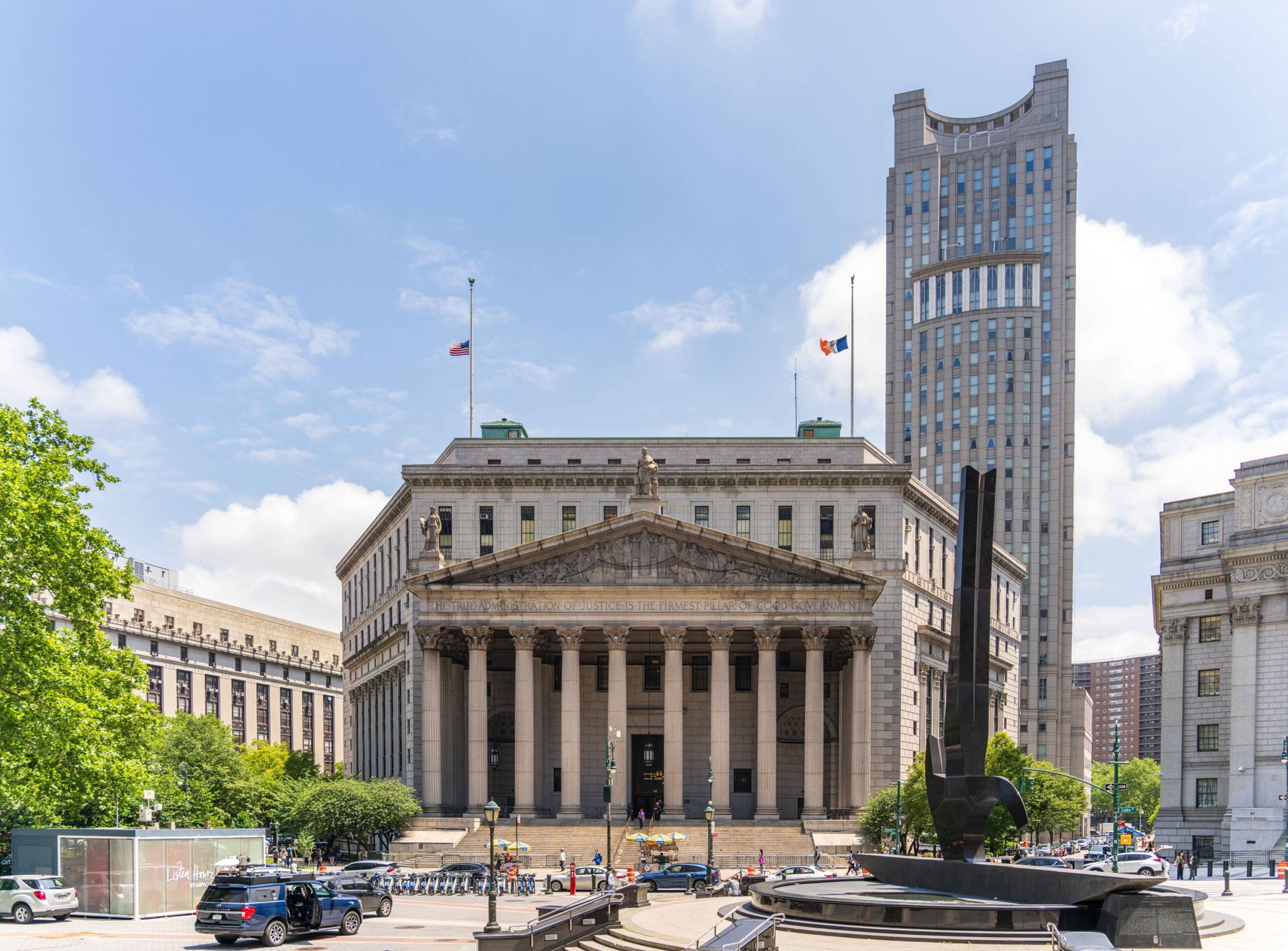
The Supreme Court of India on Tuesday issued a significant directive to traders' associations who have claimed that ongoing protests against Chief Election Commissioner Gyanesh Kumar have severely hampered commercial activities in the national capital. A bench presided over by Chief Justice of India Surya Kant, along with Justices Joymalya Bagchi and V. Mohana, directed the petitioners to implead the organisers of these protests as parties to their legal plea.
The judicial directive comes in the wake of a batch of petitions filed regarding the protests, which cover diverse issues ranging from alleged police intervention and surveillance at protest sites to the broader fundamental right to protest. During the hearing, Senior Advocate Mukul Rohatgi, representing the traders' associations, argued that the demonstrations have disrupted trade across Delhi, particularly affecting the critical festive season. He specifically cited closures in Connaught Place, noting that many traders are currently facing substantial financial distress.
"Our sales are down. If you don’t sell during the festive season, our people are bleeding," Mr. Rohatgi submitted before the bench. The counsel requested that the court explore "out-of-the-box solutions" and suggested that protests and dharnas should be restricted for the next two months to prevent further impact on festive trade, including upcoming Diwali sales.
Responding to the traders' grievances, Solicitor General Tushar Mehta, appearing on behalf of the Delhi Police, contended that the organisers of these demonstrations must be held accountable for the resulting commercial disruptions. The Solicitor General pointed out that while permission was granted for a one-day protest at Jantar Mantar, the site had remained occupied by demonstrators for 17 days. Furthermore, he noted that protesters had allegedly marched toward Parliament without receiving the necessary formal authorization.
The Chief Justice of India addressed the constitutional balance between the right to protest and the rights of other citizens. While acknowledging that the right to protest is a fundamental entitlement, the court observed that no group possesses the right to occupy designated public spaces indefinitely. "You can’t occupy a site for all times. Where farmers, journalists, etc. will go? Everyone has right to protest. Designated time must be given for designated period," the CJI remarked during the proceedings.
The bench further stressed that future permissions for demonstrations should explicitly state the duration and specific conditions of the protest. The court highlighted the necessity of ensuring that one particular group does not prevent other sections of society from exercising their own right to protest or utilizing public spaces. Meanwhile, Senior Advocate Menaka Guruswamy, appearing in defense of the protesters, maintained that Jantar Mantar is a designated venue for such activities and alleged instances of police excesses, specifically referencing the removal of approximately 7,000 individuals from the site.
As the legal proceedings continue, the Supreme Court's insistence on bringing the organisers into the formal dialogue marks a pivotal step in addressing the clash between public demonstration rights and the economic concerns of the trading community. The court's focus on defining clearer parameters for public protests reflects an attempt to balance civic expression with the maintenance of public order and economic activity in Delhi.








Comments