


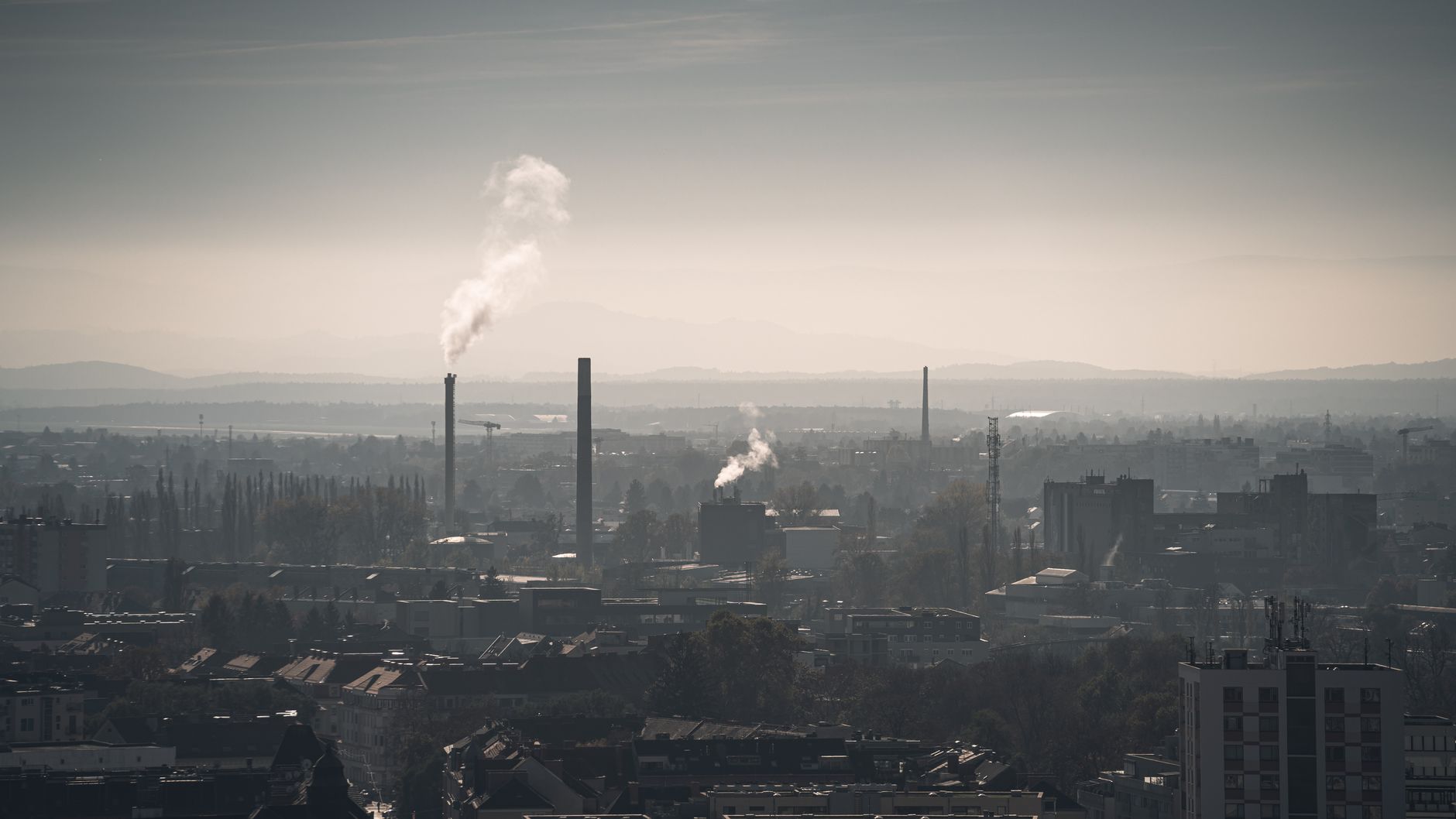
Residents of the National Capital Region are facing a significant health and environmental challenge as a thick blanket of winter smog descended upon Delhi this week. According to official data, the city's air quality deteriorated sharply on November 2, pushing the Air Quality Index (AQI) to 324. This measurement marks the first time during the current season that pollution levels have reached the 'Very Poor' category, raising immediate concerns among health experts and local authorities.
The rapid decline in air quality prompted the Commission for Air Quality Management (CAQM) to take swift regulatory action. Citing the need to mitigate the effects of the hazardous air, the commission announced the immediate invocation of Stage II of the Graded Response Action Plan (GRAP) across the entire National Capital Region. This decision reflects the escalation of the pollution crisis as winter conditions begin to trap pollutants closer to the ground level.
The Graded Response Action Plan is a tiered strategy designed to combat deteriorating air quality in Delhi and its surrounding areas. Stage II of the plan introduces several mandatory restrictions aimed at reducing local sources of pollution, such as construction dust, industrial emissions, and vehicular movement. These measures are designed to act as a buffer against the peak smog period, which historically coincides with the onset of winter and the cooling of temperatures in North India.
As the city navigates this 'Very Poor' air quality phase, local environmental agencies are monitoring the situation closely. The invocation of these emergency measures signifies a broader effort to manage the air pollution crisis before it reaches more severe levels. Residents have been alerted to the health risks associated with prolonged exposure to the current smog, which is typical of the seasonal atmospheric trapping of particulate matter.
The impact of this pollution on the National Capital Region is significant, affecting daily life and public health. As the city continues to grapple with the rising AQI levels, authorities have emphasized the necessity of adhering to the Stage II GRAP protocols to curb further escalation. These measures typically include stricter enforcement of waste burning bans, increased mechanical road sweeping, and localized interventions to mitigate dust generation from construction and demolition sites.
Looking ahead, the effectiveness of these restrictions will depend on both administrative enforcement and weather conditions, which play a crucial role in the dispersion of pollutants. The state of the air in Delhi remains a primary concern for policymakers, as they strive to balance urban activity with the health imperatives of a dense population. Officials are expected to provide updates as the situation evolves in the coming days.
This latest development highlights the recurring challenges that the capital faces annually due to meteorological factors and regional pollution accumulation. With the winter season now officially marked by the arrival of hazardous smog levels, the implementation of GRAP Stage II serves as a critical step in managing the crisis to prevent the AQI from reaching 'Severe' levels.








Comments