


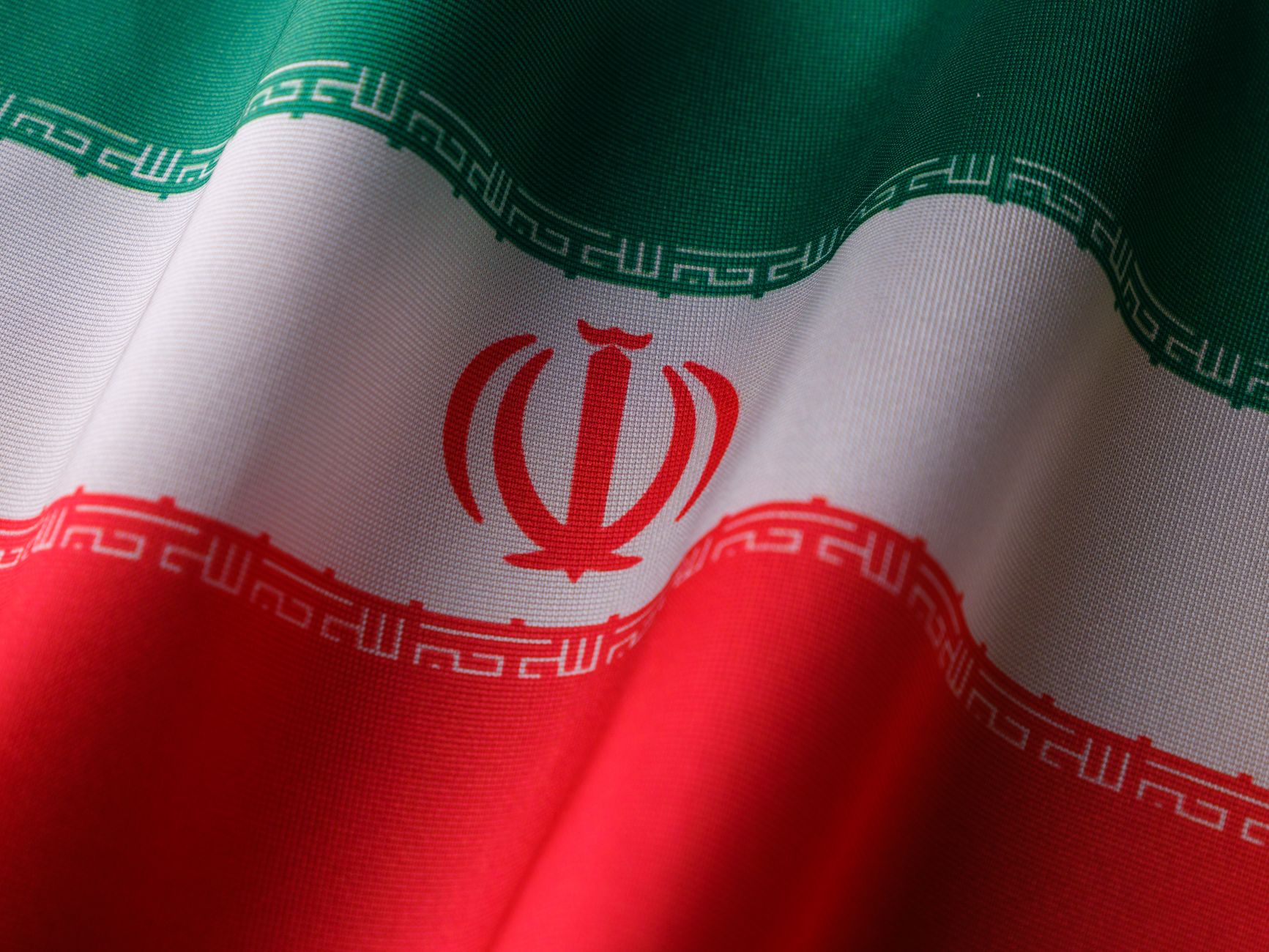
Iranian President Masoud Pezeshkian has publicly confirmed that the nation’s Supreme Leader, Ayatollah Ali Khamenei, has conferred "certain powers" upon the government to initiate and pursue formal talks with the United States. This announcement, reported via Iran’s official IRNA news agency, marks a significant moment in the shifting diplomatic landscape between Tehran and Washington. President Pezeshkian emphasized that the government is actively working to resolve outstanding issues through structured dialogue, suggesting a concerted effort to de-escalate the ongoing conflicts affecting the Middle East.
The announcement follows a period of heightened uncertainty and regional friction. According to statements from the Iranian foreign ministry, Tehran has been engaging in a series of communications with Washington facilitated by various mediators. These diplomatic signals are being interpreted by observers as a potential, albeit fragile, opening for engagement. While tensions remain notably high, the confirmation of these exchanges suggests that both sides are exploring avenues to prevent further escalation, despite the persistent threat of renewed combat in the region.
These diplomatic developments have surfaced against the backdrop of recent security incidents. Reports from the Wall Street Journal, citing US officials, indicate that the United States has conducted limited, previously undisclosed military strikes on Iran's Qeshm Island. The island is situated at the critical mouth of the Strait of Hormuz. These actions were reportedly designed to deter Iran from targeting commercial shipping vessels in the area. Washington has maintained a level of secrecy regarding these operations, apparently seeking to avoid the appearance of a return to broader, direct military conflict while the Trump administration evaluates its long-term strategic and economic policies.
In parallel with these military maneuvers, Iranian authorities have proposed a plan aimed at stabilizing the Strait of Hormuz and re-engaging in nuclear negotiations. While earlier proposals suggested a seven-day timeline, Iran has reportedly compressed this to a two-day schedule. This initiative remains strictly conditional upon the United States meeting a specific set of Iranian demands. These requirements reportedly include the removal of US blockades on Iranian ports, the lifting of sanctions currently hindering Iranian oil sales, and the extension of a ceasefire to include Lebanon.
Esmail Baghaei, spokesperson for the Iranian foreign ministry, characterized this proposal as a demonstration of Tehran’s "good-faith approach" toward resolving the impasse. He noted that the plan remains the primary basis for ongoing negotiations facilitated by mediators. However, the spokesperson stopped short of disclosing whether any of these demands have been conceded by Washington or if the initial proposal has been formally revised in light of recent feedback from the American side.
The current diplomatic situation remains fluid as the administration of US President Donald Trump continues to balance the pursuit of negotiations with public warnings regarding the potential for military action. Iran’s top diplomat echoed a desire for stability, expressing hope that Washington would ultimately prioritize diplomatic pathways over other confrontational strategies. The coming weeks are expected to clarify whether these preliminary exchanges through mediators can evolve into a more permanent framework for de-escalation between the two nations.
As both governments navigate these complex security and economic challenges, the focus remains on the specific authorities granted by the Supreme Leader. By delegating these powers to President Pezeshkian’s government, Ayatollah Khamenei has provided the necessary mandate for officials to negotiate. The international community continues to monitor these discussions closely, as the outcome holds significant implications for regional security and the future of the ongoing nuclear and economic standoff.







Comments