


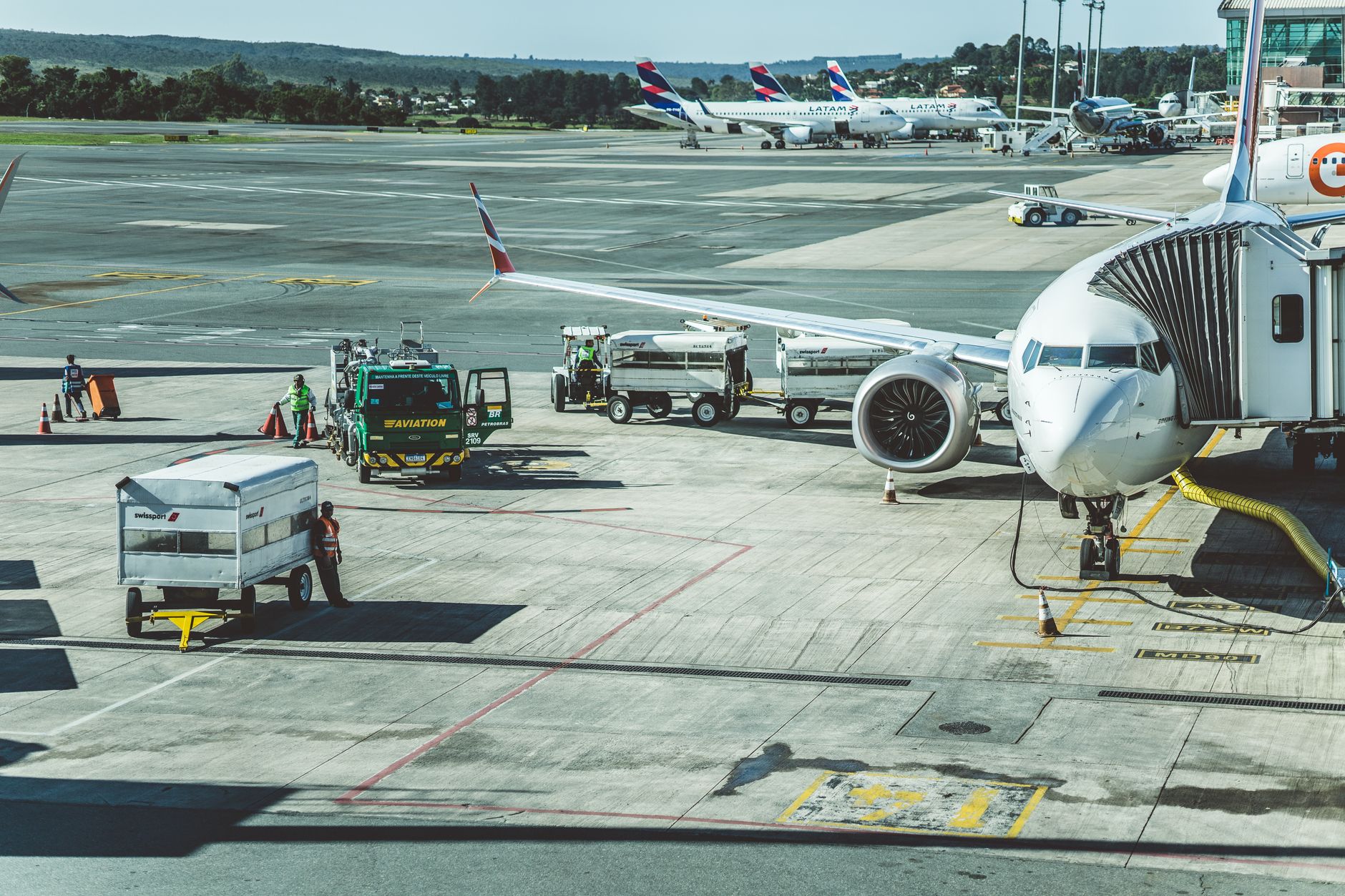
The Union government has introduced a new regulatory framework for the aviation sector that grants it the authority to intervene directly in airfare pricing under extraordinary circumstances. These provisions are part of the Bharatiya Vayuyan Niyam, 2024, which were officially notified by the Ministry of Civil Aviation on October 26 and subsequently published in the Gazette of India on October 31. The new rules are slated to come into effect on January 1, 2027, serving as a replacement for the long-standing Aircraft Rules of 1937.
The policy shift marks a departure from previous protocols, transferring intervention powers related to air tariffs from the Directorate General of Civil Aviation (DGCA) to the Central government. Under the former system, the DGCA held the authority to issue directives to airlines if it determined that fares were excessive. The new regulations, specifically Rule 192(6), now empower the Central government to issue written directions in the interest of the public whenever it deems a situation to be extraordinary and intervention necessary.
Despite this change, the government has clarified that the new provisions do not establish a routine cap on airfares. Airlines will continue to maintain autonomy over pricing in normal market conditions, and there is no requirement for government approval for individual ticket prices. The rules stipulate that any government intervention must be proportionate to the specific circumstances and will remain in effect only for a predetermined, specified period.
A significant focus of the new framework is the protection of passenger interests through enhanced financial transparency. Under the updated mandates, airlines operating scheduled services—both domestic Indian carriers and foreign airlines operating flights to, from, or across the country—are required to display the total amount payable by a passenger clearly. This must be presented on booking websites and on the final ticket document itself.
Beyond the total fare, the rules require a comprehensive, itemized break-up of costs. This includes specific, separate disclosures for taxes, ancillary fees, cancellation charges, and explicit refund conditions. Airlines are also obligated to publish their tariffs on their digital platforms in a uniform, specified format. To ensure sustainability and fairness, the regulations further mandate that airlines base their tariff structures on objective criteria, including their operational costs.
The introduction of these rules follows the enactment of the Bharatiya Vayuyan Adhiniyam, which replaced the aging Aircraft Act of 1934 on January 1, 2025. By shifting the power to the Central government, the administration aims to have a more direct mechanism to address volatility or crises within the aviation market. While the DGCA will continue to monitor airline fares and ensure compliance with tariff submission requirements, the primary authority to act in public interest scenarios now rests with the Ministry.
As the sector prepares for the January 2027 transition, the aviation industry will be expected to align their booking systems with these transparency mandates. The move is intended to eliminate hidden costs and provide flyers with a clearer understanding of the financial terms associated with their travel. By formalizing these requirements, the government intends to balance the airlines' need to manage operational costs with the broader requirement for consumer protection in an evolving market.







Comments