


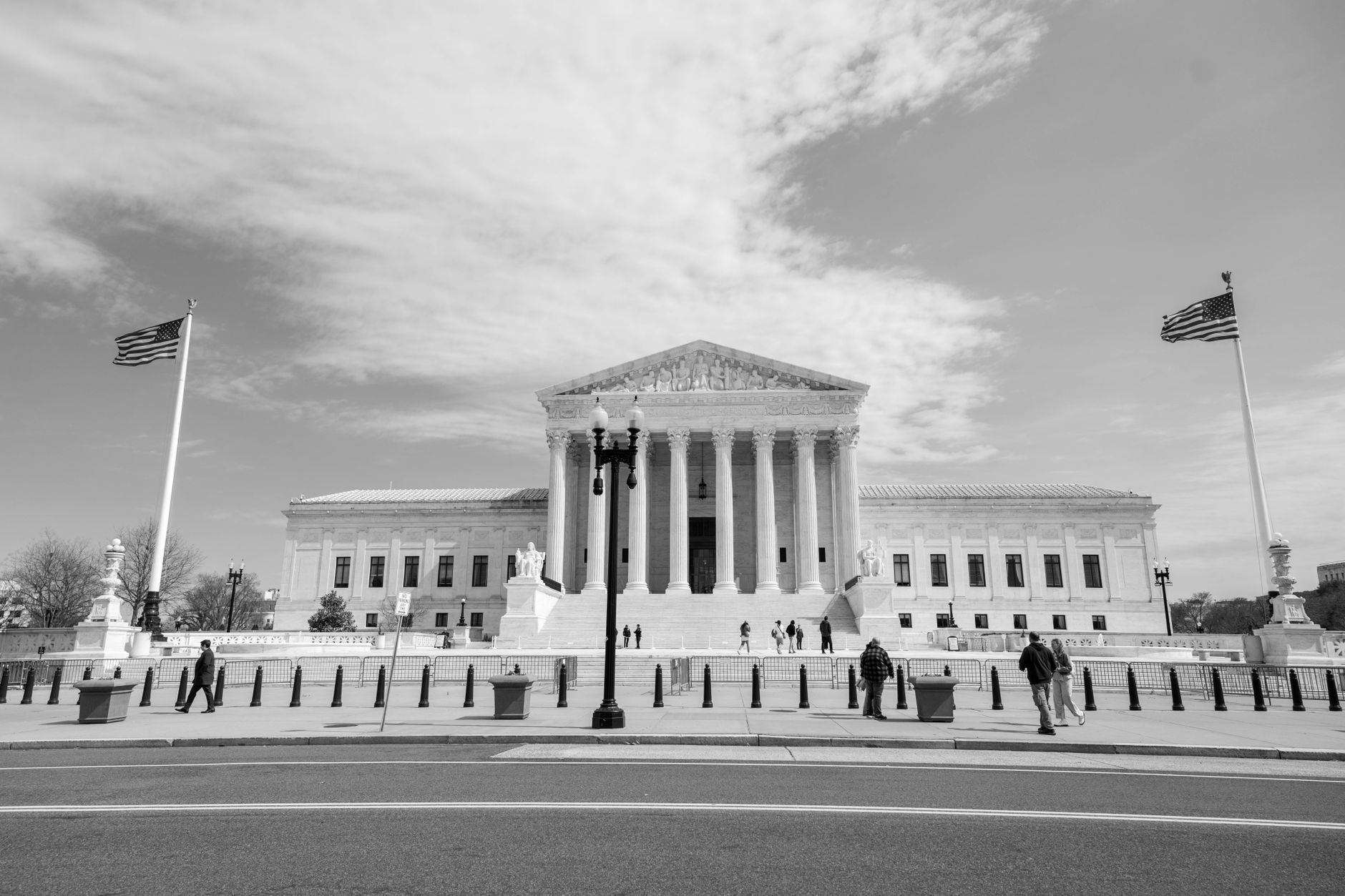
In a decisive move just one day before the United States midterm elections, the US Supreme Court rejected an emergency petition filed by the Trump administration. The administration had sought to temporarily prevent California officials from counting mail-in ballots submitted by more than 20,000 registered voters, whom federal officials alleged were likely not US citizens. The high court’s refusal to intervene effectively allows the state to proceed with its standard ballot counting procedures, preventing a potential disruption to the election results in the nation's most populous state.
The Supreme Court issued a brief, one-sentence order on Monday to deny the Justice Department’s request, providing no explanation for the decision, which is standard practice for the court when handling emergency petitions. Notably, no individual justice publicly dissented from the ruling. Furthermore, the court did not request a response from California authorities, a procedural step that generally indicates that the justices did not find sufficient grounds to grant the emergency relief sought by the administration.
The legal battle had reached the Supreme Court after a federal appeals court rejected a similar request from the administration on the preceding Friday. In its filing to the Supreme Court, the Justice Department argued that California should be required to separate the challenged ballots from those deemed lawful. The government contended that once these contested ballots were mixed with others, it would become impossible to isolate them, thereby permanently compromising the integrity of the count. The administration had demanded that these specific ballots be set aside until the citizenship status of the voters in question could be verified.
California Attorney General Rob Bonta, a Democrat, responded to the administration’s legal challenge with strong criticism. In a statement released shortly after the filing, Bonta described the move as an act of desperation and an attempt to infringe upon the fundamental right to vote. He vowed that the state would continue to defend its election protocols against what he characterized as a challenge to the rule of law. Conversely, acting US Deputy Attorney General Trent McCotter stated via social media that the government would persist in exploring all available legal avenues to protect election integrity and ensure the enforcement of federal law.
The controversy centers on the administration's intensified focus on alleged non-citizen voting in the period leading up to the midterm elections. While the administration maintained that its actions were necessary to ensure the security of the ballot, multiple state audits and independent studies have consistently indicated that ineligible voting, including participation by non-citizens, is an extremely rare occurrence. President Donald Trump has frequently made claims regarding widespread voter fraud, including allegations pertaining to the 2020 presidential election.
The US Constitution delegates the primary responsibility for the administration of elections to individual states, though the federal government retains a level of oversight. This lawsuit represented a notable federal intervention into state-level voting processes. The administration had previously attempted to place restrictions on mail-in voting—a method more commonly utilized by voters who lean toward the Democratic Party—but the Supreme Court had already rebuffed such efforts during an earlier ruling in September.
As the midterm elections proceed, the Supreme Court's decision serves to maintain the current electoral framework in California. By declining to block the count, the justices have prevented a scenario where thousands of votes would have remained in legal limbo, thereby reducing uncertainty as voters head to the polls. The case underscores the ongoing national debate surrounding voting procedures and the federal government's role in contesting state-managed election results.







Comments