


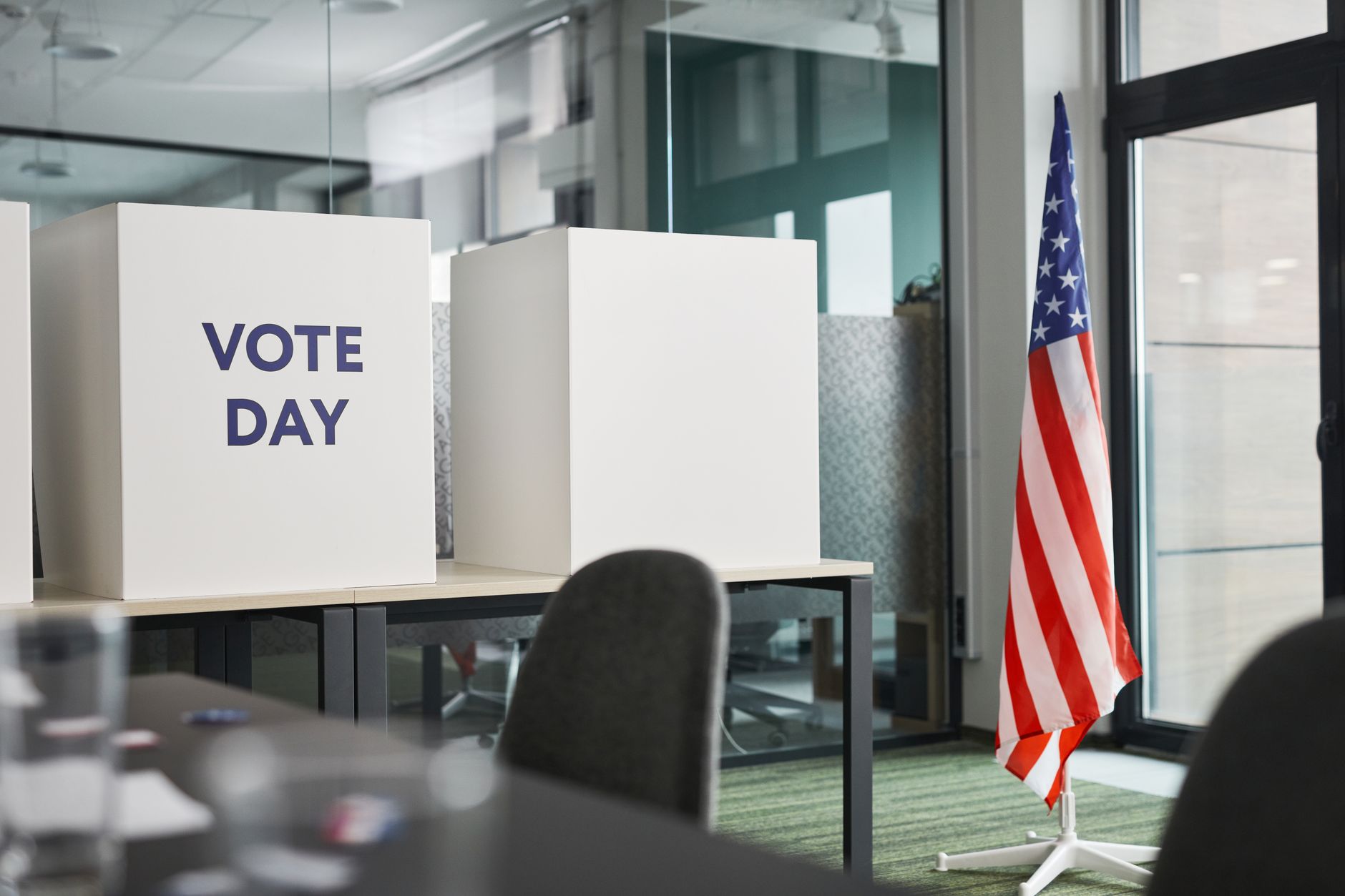
As voters across the United States head to the polls on Tuesday for the 2026 midterm elections, the political landscape is defined by deep divisions over the economy, the cost of living, and the nation’s future direction. While citizens from both sides of the aisle share common anxieties regarding their personal finances, recent polling data highlights significantly different priorities for Democratic and Republican constituents.
A survey conducted by the Pew Research Centre between September 28 and October 4 identified the economy as the preeminent issue for the electorate, with 84 percent of registered voters labeling it as "very important" to their decision. This consensus, however, masks diverging focuses on secondary issues. For instance, 85 percent of Democratic supporters prioritized the future of democracy, whereas 72 percent of Republicans identified immigration as a critical concern. Furthermore, healthcare remained a central pillar for Democrats, with 82 percent emphasizing its importance, contrasted with 53 percent among Republican respondents.
Economic dissatisfaction has become a defining characteristic of this election cycle. According to an NBC poll released on November 1, 75 percent of respondents expressed unhappiness with the state of the US economy. More strikingly, 51 percent of registered voters reported being dissatisfied with their own financial circumstances—a figure representing the highest level of personal financial discontent recorded in thirty years of NBC polling. This sentiment is reinforced by data from an October NPR/PBS News/Marist poll, where 38 percent of likely voters reported that their financial health had deteriorated over the preceding year.
The performance of President Donald Trump and his economic policies remains a point of intense polarization. The November 1 NBC News poll indicated that 60 percent of registered voters disapproved of his overall job performance, while 40 percent approved. Opinions on his economic agenda are similarly fragmented; 91 percent of Democratic respondents believed his policies had negatively impacted the economy. Among Republican supporters, the picture was more varied, with 39 percent suggesting his policies had improved conditions, while 35 percent felt they had worsened the situation, and 25 percent perceived little to no effect.
Voter priorities have also seen subtle shifts when compared to previous election cycles. The Pew Research Centre noted that issues such as abortion and gun policy appear less central to Democratic voters than they were in 2022. Conversely, Republican voters indicated that education and energy policies have declined in relative importance compared to four years ago. These changes underscore the shifting focus of an electorate grappling with the immediate pressures of inflation and the rising cost of essential goods.
The KFF survey, conducted by the Kaiser Family Foundation in September, further illuminated trust gaps between the parties. When asked which party was better equipped to manage healthcare costs, 42 percent of registered voters favored the Democrats, compared to 22 percent for the Republicans. Similar trends were observed regarding the cost of living, with 39 percent of respondents expressing more trust in Democratic approaches, while 25 percent preferred the Republican stance.
As the nation awaits the final results, the data suggests that these divergent perceptions of reality will continue to shape the composition of the new Congress. With the majority of voters in both camps expressing concern over petrol, energy, and food prices, the incoming legislators will face immediate pressure to address the financial anxieties that dominated the campaign period.







Comments