


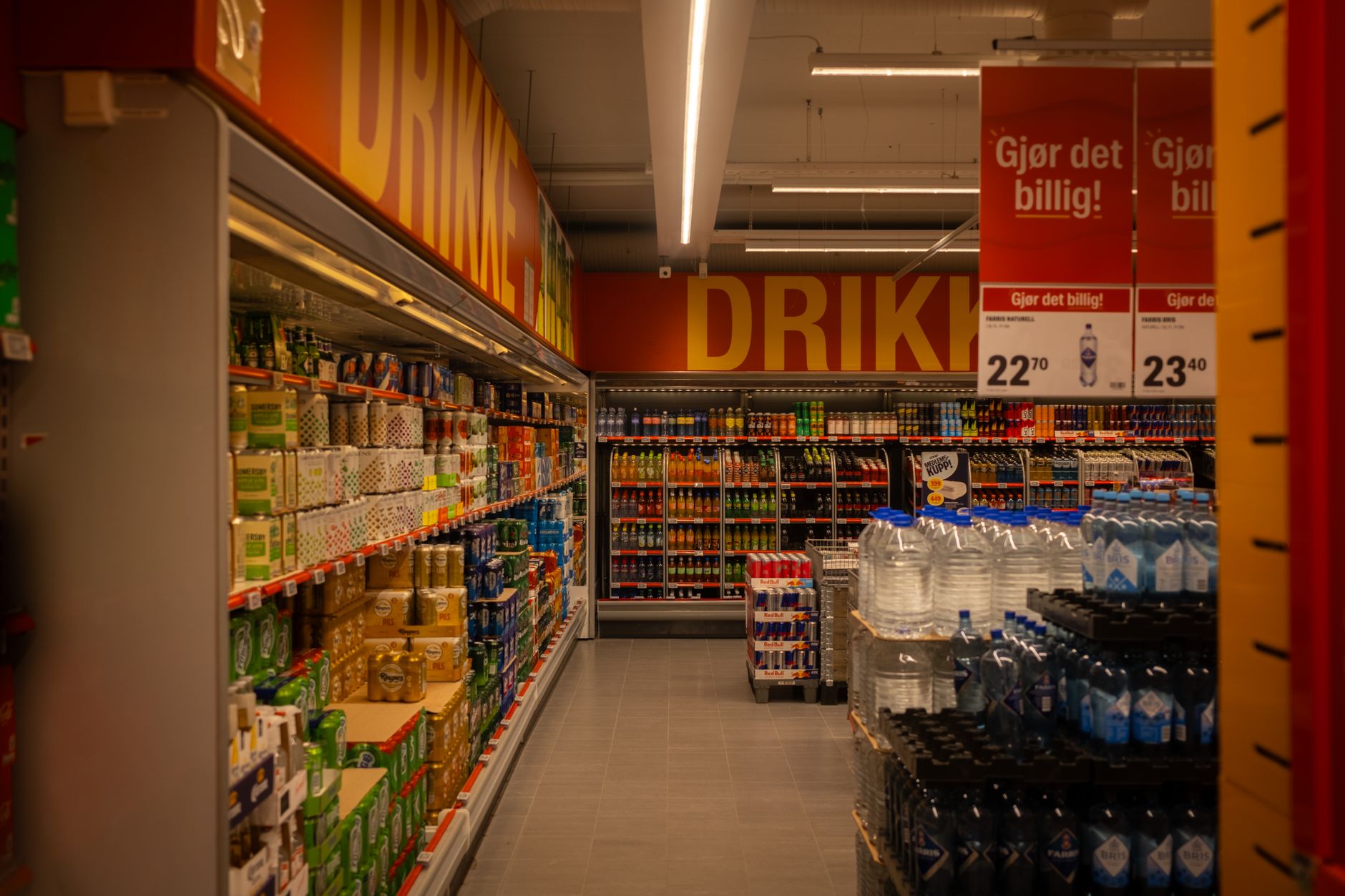
A sophisticated cyberattack has crippled refrigeration systems in supermarket chains across nine European countries, triggering widespread operational disruptions and concerns regarding food safety. Reports confirmed that retailers in Belgium, Estonia, Finland, Ireland, Italy, Luxembourg, the Netherlands, Portugal, and Sweden experienced severe technical failures overnight, causing internal temperatures in cooling units to rise unexpectedly. As a direct consequence of this malfunction, several supermarket operators have been forced to discard perishable goods that were no longer safe for sale.
The scale of the incident highlights the growing vulnerability of essential retail infrastructure to digital threats. While refrigeration technology has become increasingly digitized to improve energy efficiency and automated inventory management, these connected systems are now proving to be significant points of failure. In this instance, the coordinated nature of the disruption across multiple national borders suggests a systematic attack rather than a localized technical glitch or routine hardware failure. Retailers have expressed concern over the sheer volume of food waste generated by the outage, as maintaining the cold chain is critical for preventing the rapid growth of bacteria in fresh products.
Technical teams and cybersecurity experts are currently working to isolate the compromised networks and restore stability to the affected cooling infrastructure. According to early reports, the primary issue involved the management software that controls temperature monitoring and remote cooling settings. When these management platforms were compromised, they essentially locked out human operators, preventing them from manually resetting the cooling cycles or diagnosing the cause of the temperature spikes in real-time. This lockout left store managers with little recourse other than to monitor the rising heat levels while the systems remained unresponsive.
The impact of this incident goes beyond immediate financial losses for the retailers involved. The event has reignited debates regarding the security standards of Internet of Things (IoT) devices used in the commercial sector. Because these refrigeration units are often networked to centralized servers for operational efficiency, they have become attractive targets for malicious actors seeking to cause widespread commercial or logistical disruption. Industry analysts suggest that this event may serve as a wake-up call for retail chains to re-evaluate their cybersecurity posture, particularly regarding how critical life-safety and food-safety systems are isolated from potentially vulnerable external networks.
Retailers across the nine impacted nations are now in the process of auditing their inventory and replacing compromised stock. In many areas, the loss of power to the cooling systems meant that products ranging from dairy and meats to frozen foods had to be removed from shelves entirely. While some stores were able to switch to manual monitoring procedures as soon as the failure was identified, the suddenness of the event meant that many units had already reached temperatures that exceeded regulatory safety limits before intervention could occur.
Local authorities and cybersecurity agencies are currently monitoring the situation to determine the origin of the attack. While no specific group has claimed responsibility, investigations are focusing on how the perpetrators managed to penetrate the specific software infrastructure used by these varied retail chains. As supply chains remain increasingly interconnected across the European Union, the ripple effect of such cyber incidents can lead to broader market volatility and questions about the resilience of food supply chains.
Looking ahead, the focus is expected to shift toward implementing more robust security protocols for automated store systems. Retailers are likely to prioritize the decoupling of critical safety systems from general operational networks to prevent a single point of failure from cascading across their entire footprint. Furthermore, regulatory bodies may introduce more stringent requirements for the cybersecurity certification of smart-building equipment to ensure that the convenience of automation does not come at the cost of public food safety. As the investigation progresses, affected retailers will continue to work toward restoring full operational capacity while ensuring that all remaining stock meets rigorous quality and safety standards.








Comments