


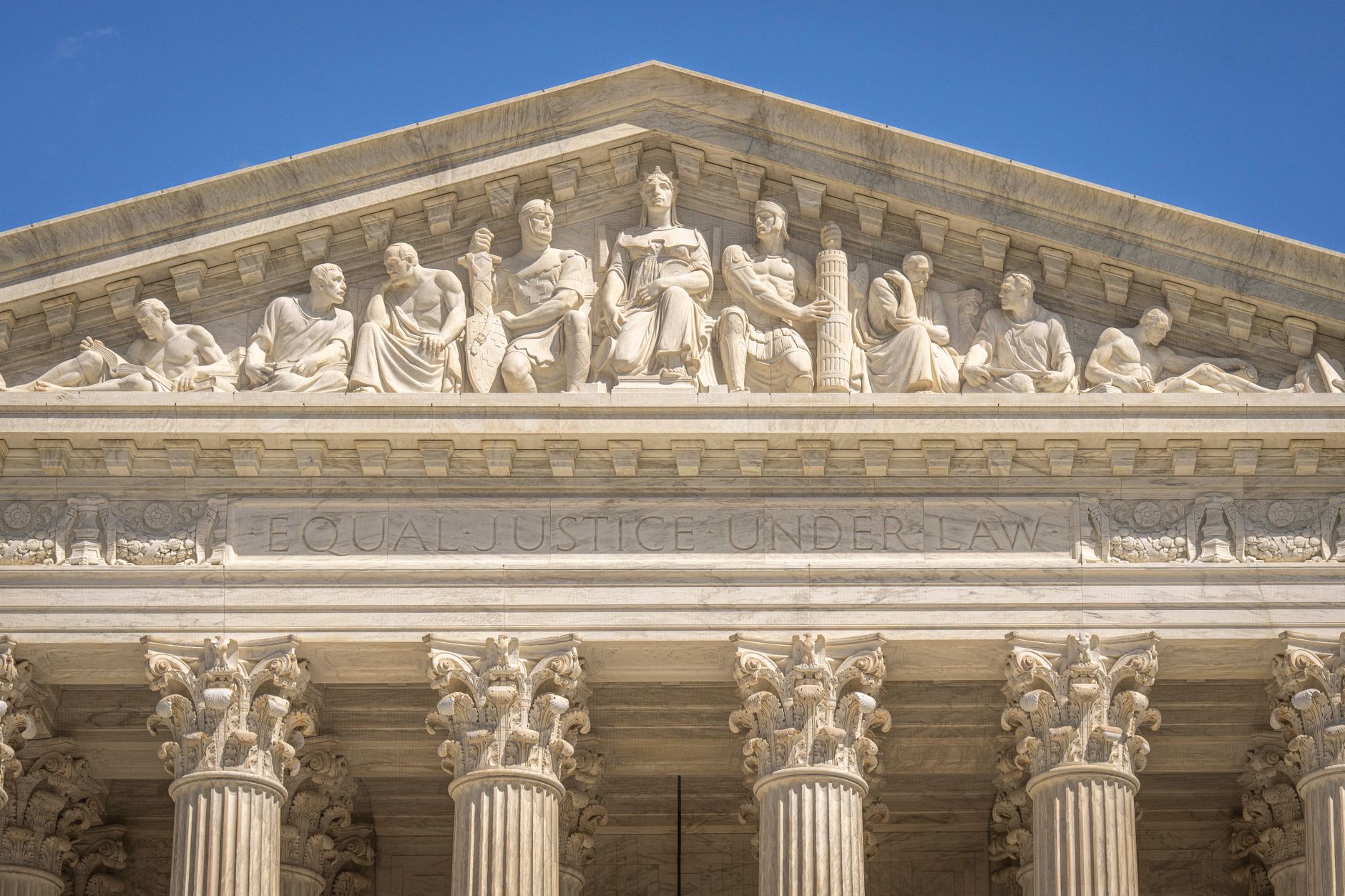
The Supreme Court of India on Monday dismissed an appeal filed by the Union government, effectively allowing Vedanta and Ravva Oil (Singapore) to enforce arbitral awards amounting to $99 million. This ruling brings a significant legal closure to a long-standing dispute originating from a 1994 production sharing contract involving the Ravva oilfield, located in the Krishna Godavari basin.
A bench presided over by Justices J.B. Pardiwala and Manmohan heard the matter, which had reached the apex court after the government challenged a July 1 judgement from the Delhi High Court. In its earlier ruling, the High Court had rejected the Centre's objections to the enforcement of the arbitral awards and had specifically directed the release of bank guarantees that Vedanta had maintained since 2018.
During the proceedings, the Supreme Court bench expressed strong disapproval of the government’s continued resistance to the legal outcome. The court criticised the authorities for obstructing the enforcement of an award that dates back more than two decades, noting that such persistent litigation could adversely affect international confidence in India’s arbitration regime. "Nobody will trust you, if you behave like this," the bench observed, questioning the strategy of attempting to frustrate an arbitral award at the enforcement stage.
The underlying legal dispute dates back to the 1994 contract, which was executed by the petroleum ministry alongside a consortium. The original consortium members included Videocon Petroleum, the Oil and Natural Gas Corporation (ONGC), and Command Petroleum (India) Pty. Following a series of corporate developments, the assets and interests held by these entities were later merged into Vedanta. The primary objective of the initial agreement was to attract private investment for the development of the Ravva oilfield.
Disagreements regarding the interpretation of the contract terms between the ministry and the consortium eventually led the parties to initiate arbitration proceedings, which were seated in Kuala Lumpur. In October 2004, the arbitral tribunal issued a partial award. However, the quantification of the award remained a point of contention for many years, leading to the ongoing legal struggle between the private companies and the state.
In its recent judgement, the Delhi High Court had underscored that the arbitral awards had already successfully withstood judicial scrutiny before the curial courts of Malaysia. Consequently, the High Court held that the government was not entitled to ask the court to re-examine the merits of the dispute simply because it disagreed with the interpretation reached by the majority of the arbitral tribunal.
The Supreme Court’s decision to uphold the High Court order is expected to conclude the immediate enforcement hurdles faced by Vedanta and Ravva Oil. By dismissing the Centre's appeal, the top court has reinforced the finality of arbitral awards in commercial disputes. Industry experts suggest this development is a critical marker for companies engaging in similar production sharing contracts, highlighting the legal risks associated with challenging settled arbitral decisions in Indian courts.
As the legal dust settles on this decades-old case, the directive to release the bank guarantees marks the end of a protracted period of financial uncertainty for the parties involved. The case serves as a poignant reminder of the complexities inherent in public-private sector contracts in the energy domain, particularly when disputes arise over technical and legal interpretations of long-term production agreements.







Comments