


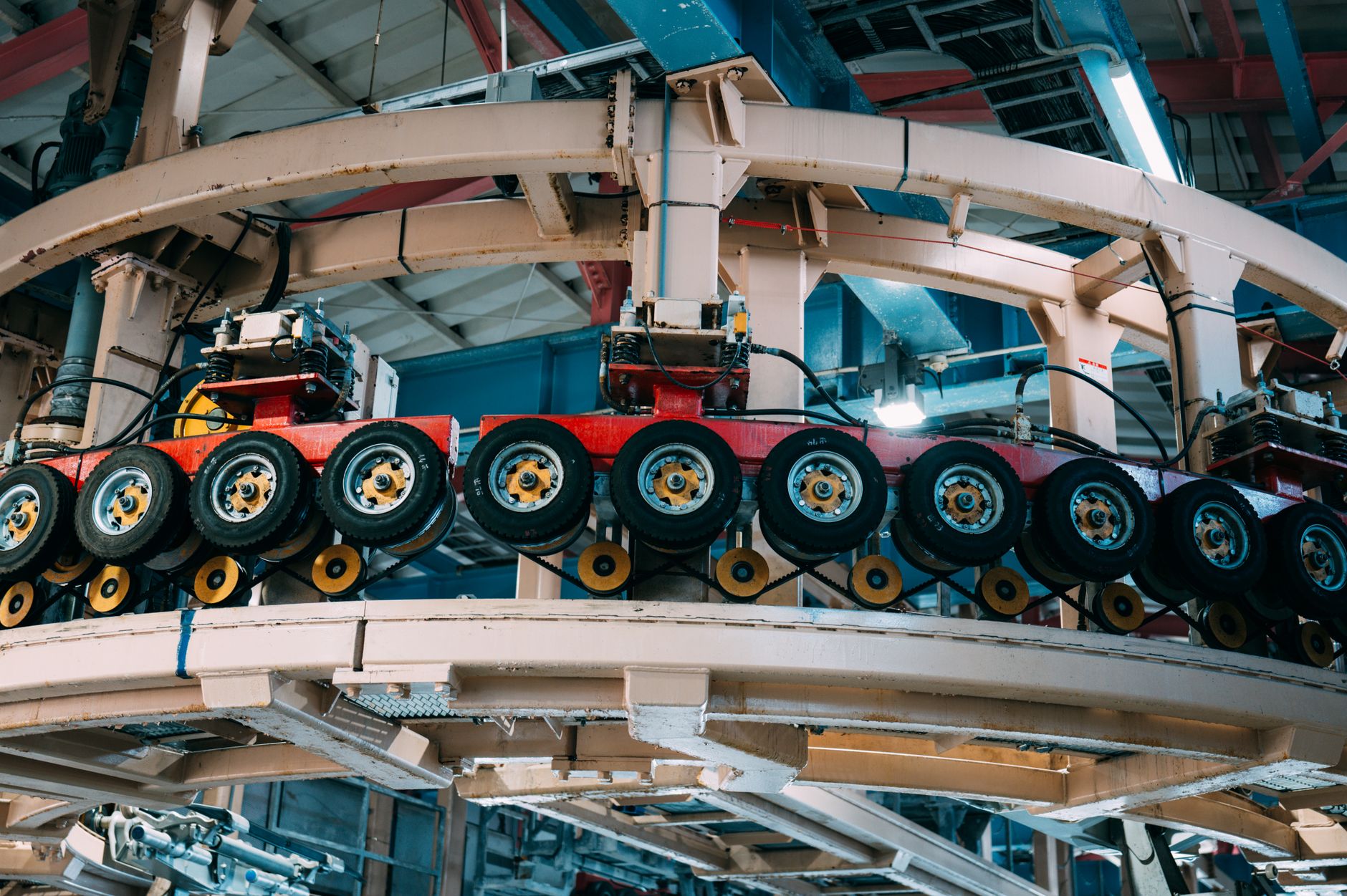
Construction of India’s first indigenous bullet train is currently in progress at the Bharat Earth Movers Limited (BEML) facility in Bengaluru. This ambitious project aims to bolster the nation's high-speed rail capabilities, representing a significant shift toward self-reliance in advanced transport manufacturing. As the facility works on the prototype, the project has drawn attention for its technical specifications and the potential impact it holds for the country's future infrastructure landscape.
The high-speed train is engineered to operate at a top speed of 280 kmph, positioning it among the swiftest transit options being developed within the country. The design encompasses an eight-coach configuration, specifically tailored to balance velocity with passenger volume. According to preliminary project details, the train is built to accommodate a total of 557 passengers per trip, reflecting a strategic approach to managing high-density travel requirements on potential high-speed corridors.
The manufacturing process at the BEML Bengaluru site involves the integration of advanced engineering standards. By producing these units domestically, the project seeks to reduce dependence on international technology imports while fostering local expertise in high-speed rail engineering. The development of such infrastructure is a central component of the broader national agenda to modernize connectivity between major economic hubs.
Technical experts suggest that the focus on the eight-coach model allows for efficient operation across various terrain types. The train’s design prioritizes aerodynamic stability, which is crucial for maintaining safety and comfort at such high speeds. Beyond the structural engineering, the project emphasizes the inclusion of modern amenities to align with international standards for high-speed travel, ensuring that the passenger experience is seamless and secure.
The move toward indigenous production follows years of planning and investment in the rail sector. For many, this marks a transition from imported technology to localized innovation. By utilizing the existing industrial infrastructure in Bengaluru, the project leverages a highly skilled workforce, effectively integrating research, development, and assembly under one roof to streamline the manufacturing timeline.
While the manufacturing phase is the current priority, observers note that the success of this project will ultimately depend on rigorous testing and validation protocols. High-speed rail systems require a specific set of environmental and technical benchmarks to be met before they can be cleared for commercial service. The progress at the BEML facility serves as the initial phase in a long-term strategy to deploy such units on dedicated high-speed tracks being developed across the country.
The significance of this development extends to the broader economy. By developing domestic capacity for high-speed trains, India aims to lower the long-term operational costs associated with maintenance and technological upgrades. As the project matures, it is expected to serve as a blueprint for future indigenous rail ventures, potentially opening doors for India to become a hub for high-speed train manufacturing in the future.
As the construction reaches key milestones in Bengaluru, authorities are expected to provide further updates regarding the testing schedule and eventual deployment routes. For the current fiscal cycle, the focus remains firmly on completing the primary structure of the eight-coach unit and ensuring it meets the stringent safety certifications mandated for high-speed transit. This initiative highlights a pivotal moment in India's commitment to transforming its transportation architecture through indigenous technological advancement.








Comments