


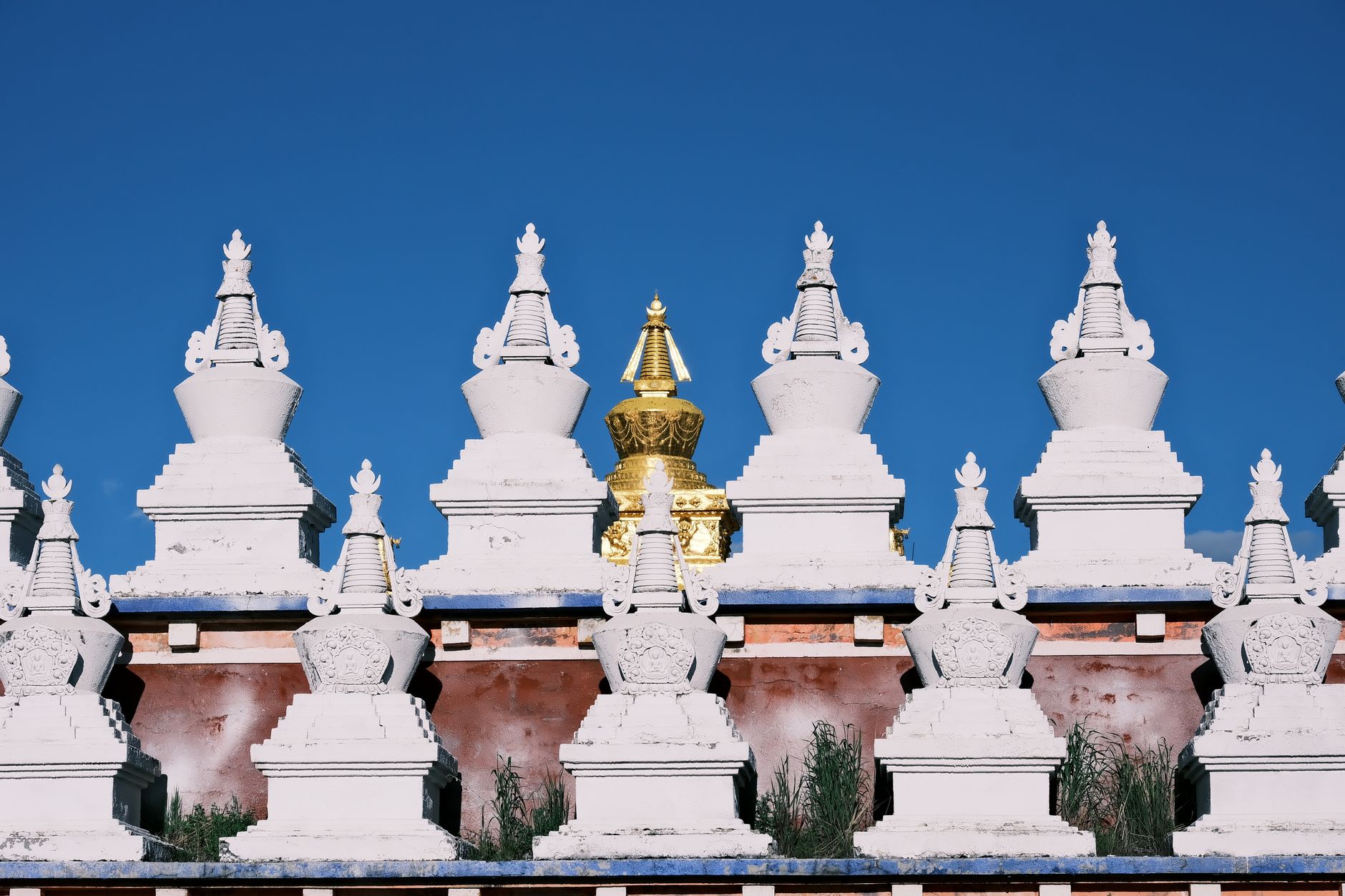
In a significant display of diplomatic warmth and shared cultural heritage, Bhutan has officially consecrated 108 stupas in the border region of Gelephu. The ceremony, which drew regional attention, featured the participation of high-level representatives from India, reinforcing the long-standing bond between the two South Asian neighbours. Union Minister Kiren Rijiju attended the event as the representative of the Indian government, standing alongside the King of Bhutan to mark the milestone.
The installation of these stupas—known locally as Chortens—is being viewed as a symbolic gesture of peace and regional cooperation. Among the 108 newly consecrated monuments, the 76th stupa, designated as a Jangchub Chorten, was specifically dedicated to Indian Prime Minister Narendra Modi. The unveiling of a commemorative plaque during the ceremony formalised this tribute, reflecting the personal and political goodwill currently defining the partnership between New Delhi and Thimphu.
Gelephu, the site of this major cultural installation, has recently gained prominence in regional discussions regarding economic and infrastructure connectivity. The location serves as a critical junction for cross-border engagement, and the spiritual significance of the new stupas adds a layer of cultural diplomacy to the developmental narrative being built in the region. The event underscored the importance of shared religious traditions as a cornerstone for bilateral stability.
During the proceedings, Minister Rijiju engaged in high-level interactions with the Bhutanese leadership, further cementing the strategic alignment of the two nations. The act of dedicating a religious monument to a foreign head of government is considered a unique honour in Bhutanese culture, underscoring the depth of the rapport established between the Indian leadership and the Bhutanese monarchy. Officials present at the event noted that such gestures are instrumental in maintaining the enduring trust that characterises India-Bhutan relations.
The consecration ceremony followed traditional rites, drawing observers and participants from across the region to witness the completion of the 108 structures. The number holds profound spiritual significance in Buddhist tradition, representing the removal of obstacles and the path toward enlightenment. By placing these structures at a site of future economic promise like Gelephu, both nations are signalling a holistic approach to their bilateral growth, blending spiritual harmony with long-term infrastructure objectives.
Looking ahead, the inauguration is expected to serve as a backdrop for ongoing cooperation in tourism and cultural exchanges. As India continues to support development projects within Bhutan, the symbolic dedication of the Jangchub Chorten serves as a reminder of the soft-power influence that shared history and religion provide. For the people of Gelephu, the stupas are expected to become a site of pilgrimage, further integrating the local economy with the broader cultural landscape of the region.
The event concluded with expressions of mutual respect and a renewed commitment to the strategic partnership. Both the Indian delegation and the Bhutanese hosts highlighted the necessity of such cultural milestones in maintaining peace in the border areas. As relations continue to evolve, the memory of this ceremony in Gelephu will likely remain a key touchstone for diplomatic discourse between the two countries for years to come.








Comments